
Buffalo, N.Y. (WBEN) – Wednesday was an emotional day in court for the families of the May 14 shooting at the Tops Friendly Market on Jefferson Avenue in East Buffalo.
It was sentencing day in state court for 19-year-old Payton Gendron, who had pled guilty to all 25 counts he faced for shooting and killing 10 Black people and wounding three others in a racially motivated attack.

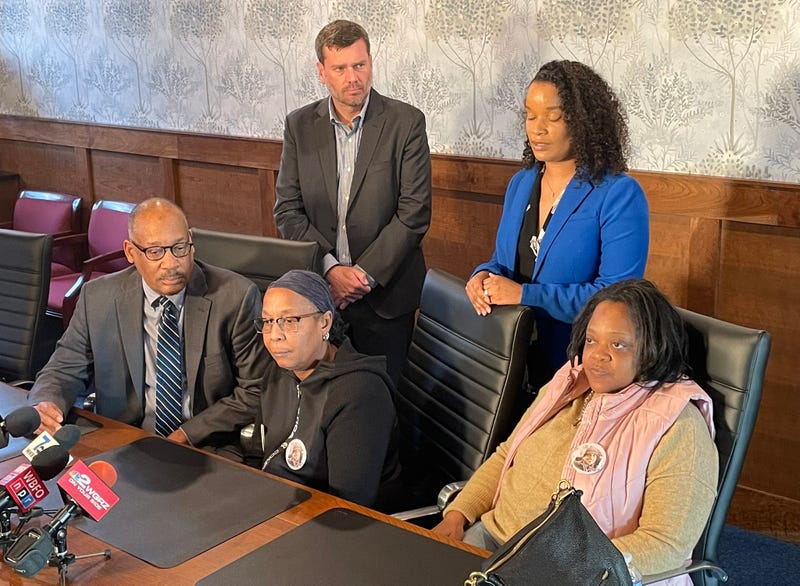
While not every victim was represented in court on Wednesday, a total of 13 family members took to the microphone to make a statement or speak directly to the shooter on behalf of their loved ones. There was certainly a wide range of emotions during Wednesday's sentencing, which included periods of grief, pain, sadness, and even anger.
After Wednesday's sentencing, that saw Gendron being handed 11 separate sentences of life imprisonment without the possibility of parole (10 of which run concurrently), numerous family members had a chance to reflect on what they had said, seen and heard during the nearly two-hour proceeding.
"I wanted to choke him until my fingerprints left a mark around his neck. That's what I wanted, from the bottom of my heart," said Barbara Massey-Mapps, sister of Katherine Massey who was one of the 10 victims of the mass shooting on May 14. "I have not felt this good since 5/14, since I could speak to him, because what he did to all the family members and the people that work inside, the police officers that had to go in there."
Related
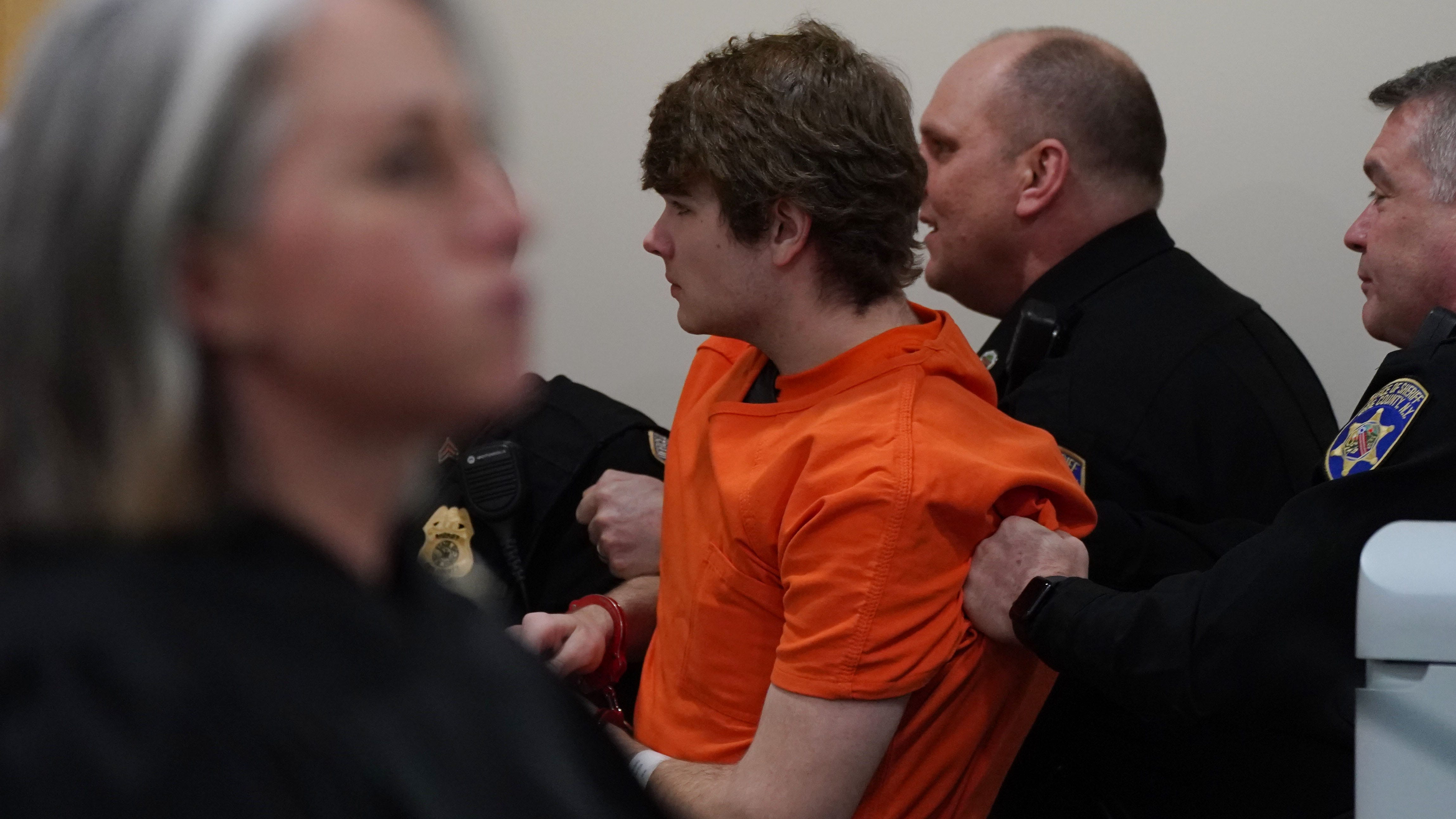
At a point, nearly a half hour into the sentencing for Gendron, it was Massey-Mapps who took to the podium and spoke from the heart about her sister, and detailed the pain the shooter has caused her and the Massey family since May 14. It was at that point when her one son stepped up with his mom to the podium, eventually lunging towards the shooter as he sat with his defense counsel.
"He saw me emotional, and I'm his mom. When mom's hurt, I'm gonna protect my mother," said Massey-Mapps of her son's actions. "You didn't see my other nephew, they had him against the wall, because Kat is everything. The people don't understand, we are close. This is not make believe. I saw Kat four times a day, we talked on the phone. Kat might call me at 5 in the morning because she had a thought for the day. We did that, this is what we did. But we're close. This is the way we were brought up. You hurt one of us, you hurt us all."
When Massey-Mapps saw her son attempt to charge Gendron in the courtroom, she said all she was hoping for was that the police in the courtroom would not hurt him. However, officers in the courtroom did not harm her son and helped escort him out of the courtroom.
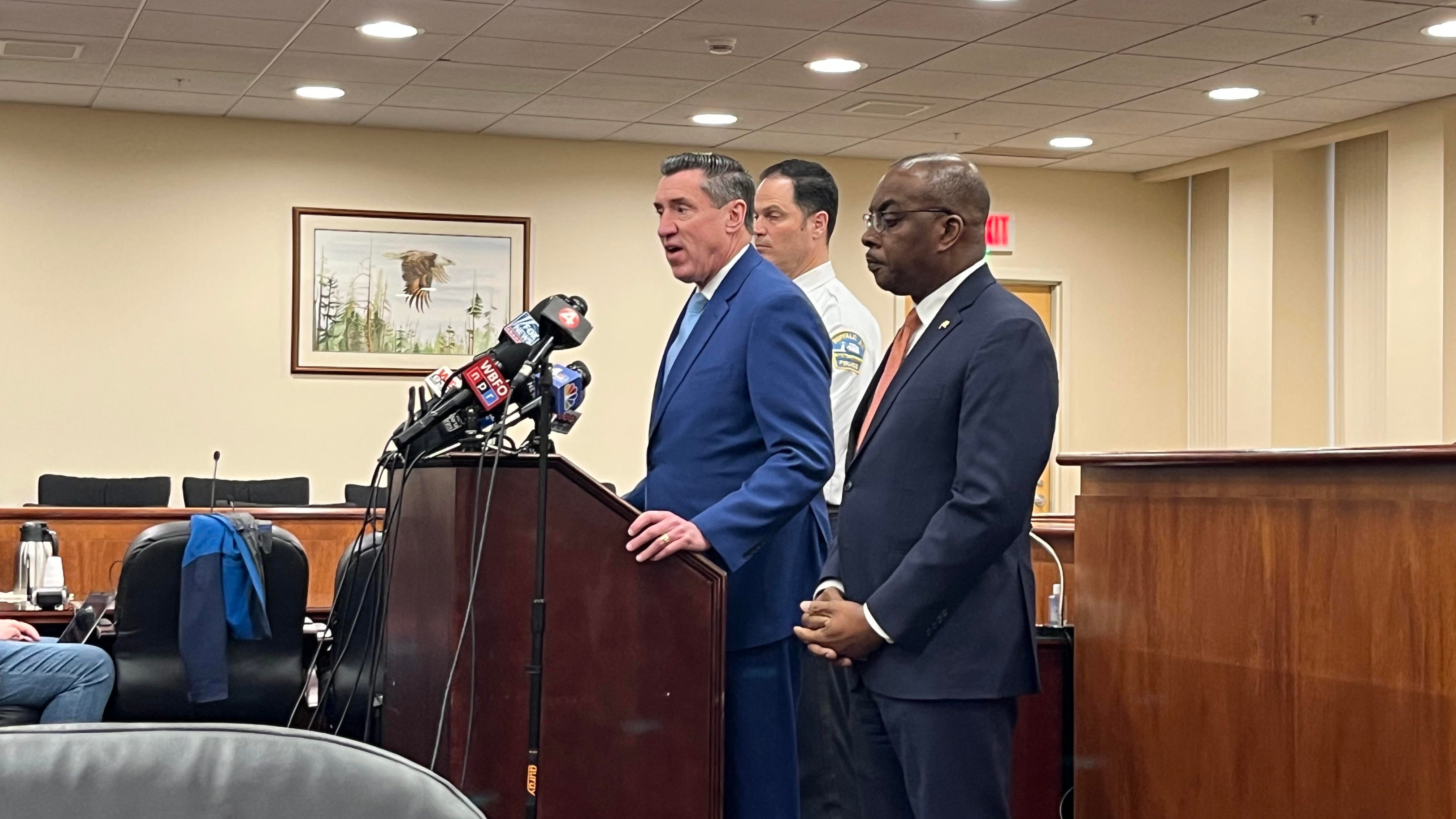
After Wednesday's sentencing, Erie County District Attorney John Flynn said Massey-Mapps' son would not face any charges for his actions in such an emotional situation.
Related
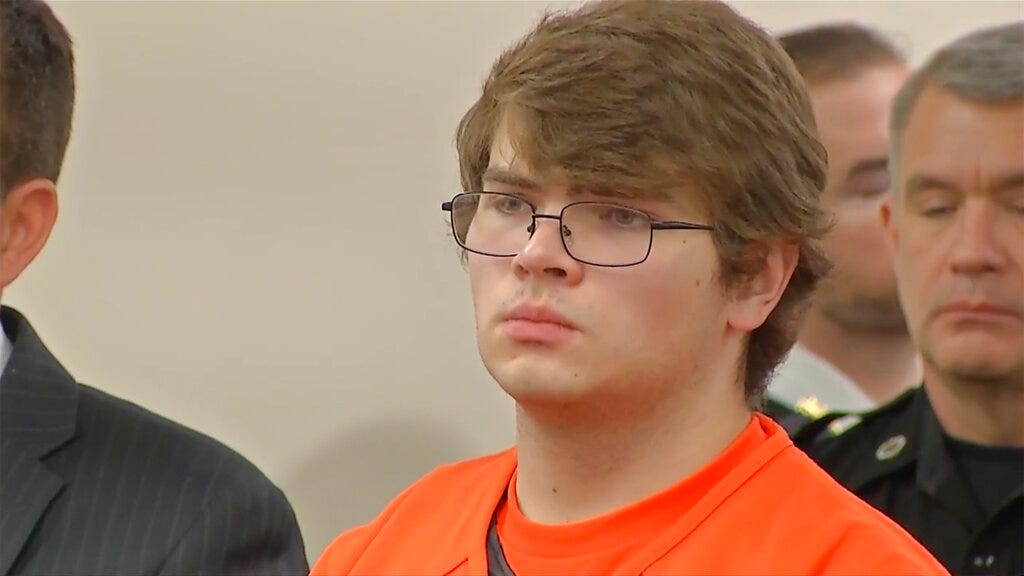
As Gendron was being charged at in the courtroom, some of the family members felt the shooter should have been scared in that moment. However, other families on-hand for the sentencing are hopeful that Gendron will have to be scared for the rest of his life, knowing he has to face the actions he committed during that Saturday in May.
"He should be fearful, he should not be able to sleep. He should not have a waking moment where he does not think about what he did," said Zeneta Everhart, mother of Zaire Goodman, who was one of the three people who were shot, but survived the attack. "I was happy to see him scared today. He should be able to feel what those families felt that day when he pointed that gun in their faces. That is how he should feel all day, every day. There should never be a moment of his life where he's not feeling scared for his life."
Once the families had concluded their statements to the court on Wednesday, Gendron was eventually presented an opportunity to address the courtroom and the families in attendance for the proceeding. He apologized for the pain that he caused the families in the shooting.
"I can not express how much I regret all the decisions leading up to my actions on May 14," said Gendron in a brief statement. "I did a terrible thing that day. I shot and killed people because they were Black. Looking back now, I can't believe I actually did it."
While the shooter appeared to show some remorse for his actions, his words did not ring true to families in attendance in the courtroom.
"Honestly, I felt like it was written for him. It didn't seem sincere, it was too short," said Deja Brown, daughter of Andre Mackniel, who was one of the 10 victims of the shooting. "The whole time, I didn't see any sincerity out of him. He had that one episode when he fake wiped a tear, but I didn't feel sincerity from him at all."
While Brown admits she was unsure of her taking to the microphone for Wednesday's sentencing, after some convincing for her father's best friend, she garnered the strength to speak on behalf of her dad and face Gendron head-on.
"I looked at him all the time. I just wanted him to feel me," Brown said. "I really didn't care how he was feeling, what face he was making. I just wanted him to feel the words that were coming from me and for him to feel my pain. But a person like that, I don't know if they could."

As many of the families spoke on what they heard and saw in the courtroom on Wednesday, there was plenty of talk after the sentencing on what's to come after the sentencing for not just the families, but also for the Buffalo community and the Black community across the nation.
"I think some people want to put focus on this individual and say his name, and make sure that visibility is there. But it's irrelevant. This person is entirely irrelevant as an individual in the history of this, and is just one member and one reflection of this larger piece," said Simone Crawley, granddaughter of Ruth Whitfield, another one of the 10 victims of the deadly shooting. "I think the focus should be on the individuals that indoctrinated him, because he was susceptible to it. That's what we need to talk about is that there are people who are being victimized by other people and indoctrinated by other people, and it really centers on their fear.
"Our identity, as Black people is strong. It always has been and it always will be, but a lot of identities of non-Black people are not as strong. Whiteness is very weak, and it's very fearful. That is what we are seeing right now, and there is a response to that fear that is happening. That needs to be the conversation."
Many of the families on Wednesday thanked Judge Susan Eagan for her closing remarks to the courtroom, as she prepared to officially sentence Gendron to his life imprisonment without parole. Judge Eagan spoke of the harsh reality that is white supremacy, and how it has been an insidious cancer on society since its inception. It is a history that has been inherited from past generations, but it must acknowledged, and she hopes more people will learn from it or society is doomed to repeat itself.
“Let ours be the generation to stop white supremacy. We can do better, we must do better. Our humanity requires it,” said Eagan.
"It was very important for the world to hear those words. That is one of the reasons why our lawyers and the families want to know exactly what was found in this investigation. Because if it gets buried with the case, then we don't fix the problems of this country. So it's very important that what she said today is on record," Everhart said after the sentencing. "It is also important that the world knows exactly what led up to May 14 and what the terrorists did. We, as a country, need to hear that out loud. We need to see it. It needs to be a part of the history books. We cannot just act like it didn't happen. Zaire is standing here - yes, he is a miracle - but his wounds are real. What happened to him that day is real. We lost 10 people that day, that's real. So we have to make sure that our history reflects exactly what happened that day."
Also a talking point with the families and the attorneys representing the families was Gov. Kathy Hochul's inaction in Albany, vetoing a bill that would have allowed wrongful death lawsuits to include claims for emotional damage. It was a change that could have led to much bigger payouts for families who lost a loved one in an instance such as the Tops mass shooting.
"Our Governor disappointed me greatly when she didn't sign the Grieving Families Act," said Attorney John Elmore, who represents three of the families who lost loved ones in the May 14 attack. "New York State has a wrongful death statute that is ancient. New York and Alabama are the only states in the union that do not allow lawyers to present to a jury grief when filing a wrongful death suit. I cannot imagine the pain and suffering that these families have undergone, and they're not going to be compensated for the pain and suffering that they feel individually every day because our Governor failed to sign this law that was passed by both houses of the Legislature. That has been on her desk for a long time. It does not make sense that in wrongful deaths suits that only economic damages, unconscious pain and suffering for the person that dies are the only things that a jury is going to consider."
Related
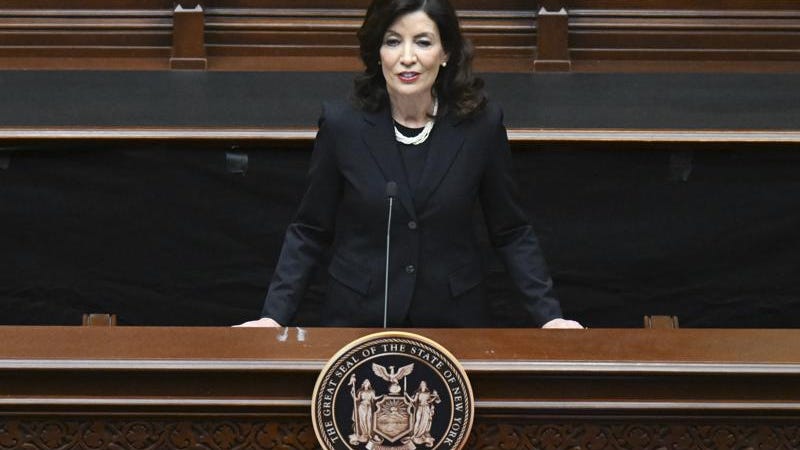
"There's no doubt that the Governor's failure to sign the Grieving Families Act slowed us down," said Attorney Terry Connors, who is working with Attorney Benjamin Crump on civil litigation in an attempt to make further changes with regards to gun manufacturers, social media platforms and more. "We anticipated that it would be a favorable review if passed. Both houses in our Legislature, it was a bipartisan bill that went on the desk. So we were hopeful, and expected it to be passed. It slowed us down, because there were certain aspects of that bill that we were going to incorporate in our civil litigation. It may have slowed us down, but it hasn't deterred us a bit."
As for the family members, many like Michelle Spight - niece of Pearl Young and cousin of Margus Morrison, two victims of the Tops mass shooting - feel the Grieving Families act should never be about socioeconomic standing, or should never be about people's money in the bank or what they have or don't have. It is ancient practice that needs to be changed for the betterment of everyone.
"It is so critical to be able to stand as an advocate for your family that's grieving to have to fight grief, and then on the other hand, account for why your loved one's blood that was shed is less-important than the other. I feel like statements that have been made regarding the Grieving Families Act is really indicative of a mindset that certain people are entitled and other people are not," said Spight. "We have to, as a society, talk about those uncomfortable things, like classism. We have to talk about those uncomfortable things like the haves and the have nots. At the end of the day, there were 13 people who lost blood that day. 10 died, and three were amazingly blessed to live. But at the end of the day, when they bled, it was all the same color. We didn't take a poll for who had what, we didn't do any of that. That is what we need to unpack over the next few fleeting days."
Related