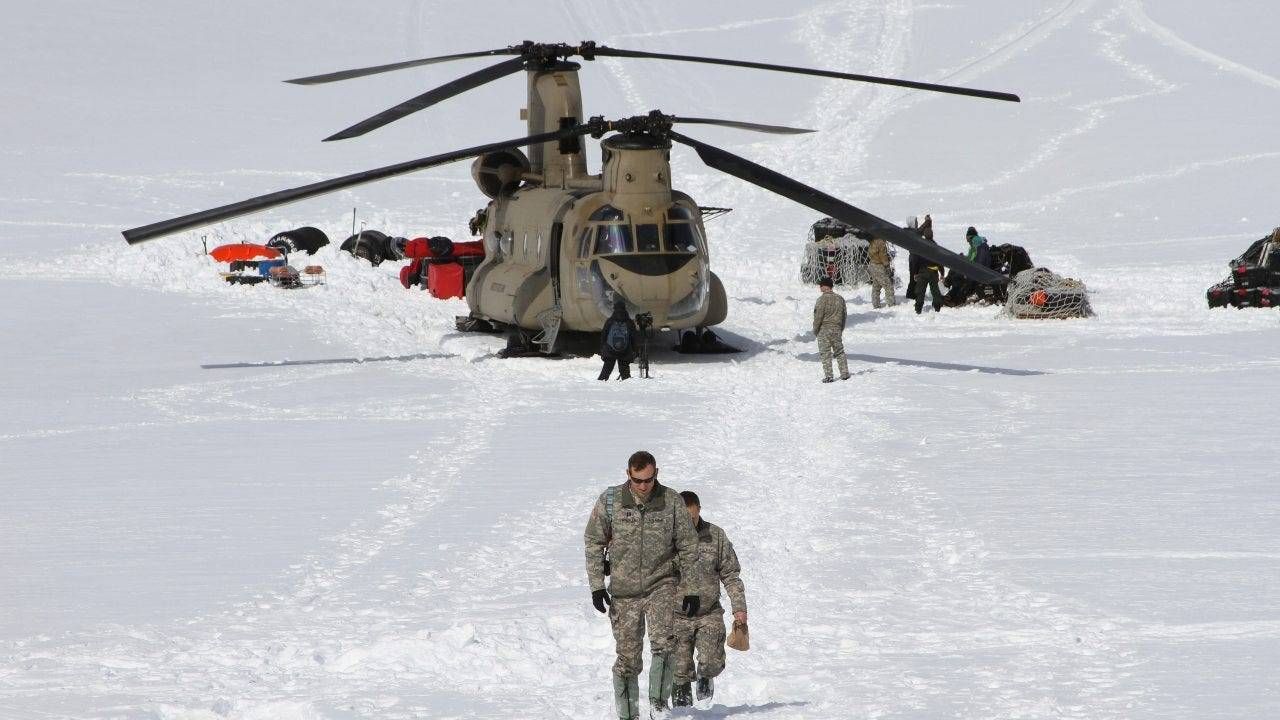


The arctic has the most punishing conditions to be found on planet earth, with sub-zero temperatures that sap the life out of human beings, batteries, vehicles, and electronics.
However, throughout history, humans have found ways to wage, albeit, limited war above the arctic circle at times. The U.S. military has identified the arctic as a critical area of responsibility, more so as trans-arctic sea routes open up in response to climate change.
But, the U.S. military has little arctic real estate compared to both allies and competitors such as Canada and Russia. Much smaller countries with a true arctic culture such as Finland and Norway have maintained a much more robust arctic military capability. This has left the U.S. military playing catch up in recent years, with attempts to modify Stryker armored vehicles and Apache attack helicopters to operate in the frigid wastes.
One new project is the Armored Multi-Purpose Vehicle or AMPV, which is being tested in a variety of different environments to serve the U.S. military. Built around the powertrain and suspension of the Bradley Fighting Vehicle and M109A7 self-propelled howitzer, the AMPV is slated to include five different variants.
A separate contract has also been awarded to BAE Systems to provide the military with a Cold-weather All-Terrain Vehicle (CATV). Eventually, BAE may provide up to 163 of these treaded vehicles which can traverse snow and ice in arctic conditions. While CATV is a vehicle designed from the ground up to move troops around in arctic conditions, the AMPV is a more general-purpose armored personnel carrier designed to replace the aging M113 vehicle.
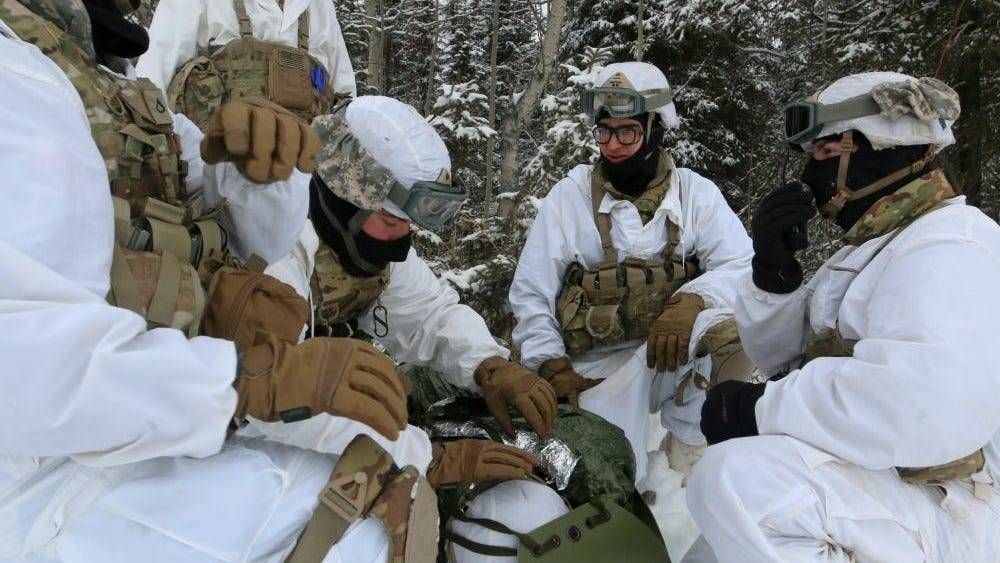
To test the prototype AMPV in varied environments, it is being put through its paces in cold weather conditions at the Cold Regions Test Center at Fort Greely, Alaska, according to an Army press release after having already gone through desert testing at the Yuma Test Center in Arizona and more recently the Tropic Regions Test Center in Panama.
“Normally when it is extremely cold, we prioritize cold starts,” said test officer Stephan Krueger about the cold weather tests. “If it is extremely cold and we aren’t doing cold starts, I like to try to get a lot of durability miles in. Cross country is the slowest and takes the most time — the majority of our effort is getting those miles.”
Want to get more connected to the stories and resources Connecting Vets has to offer? Click here to sign up for our weekly newsletter.
Reach Jack Murphy: jack@connectingvets.com or @JackMurphyRGR.