

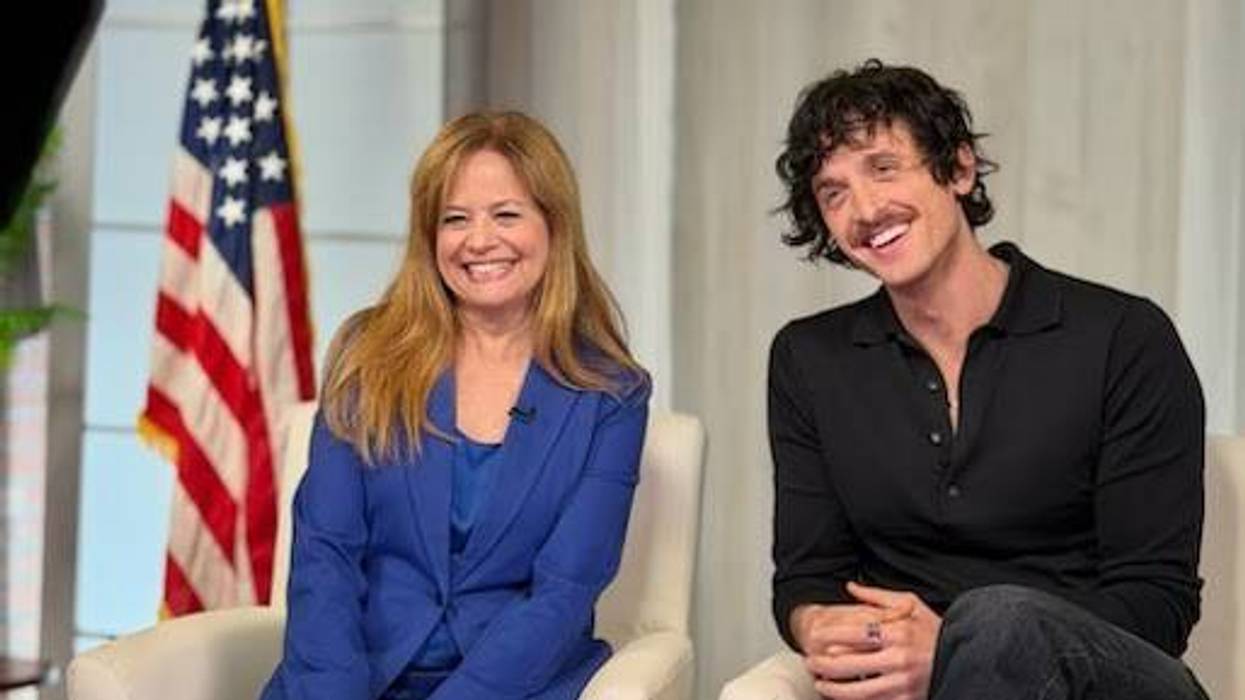

After leaving the Air Force, Benjamin Hightower faced a transition many veterans know well: building a new identity after military service while protecting both his physical and mental health.
Now the Brooklyn-based singer-songwriter, who captivated millions with his breakout performance on "America’s Got Talent" where he sang “Pink Pony Club,” is using music and personal storytelling to speak openly about healing, purpose, and life after service.
“It is a scary transition to go from active duty military to civilian life, but it's not impossible,” Hightower said. “There are so many resources out there for transitioning veterans, from learning how to write resumes to learning how to move your body and get mental health resources.”
Hightower says sharing his story is one way to help reduce stigma and encourage veterans to seek support. He credits The PenFed Foundation for Military Heroes for helping him find and carve out his path to be a singer-songwriter.
“The PenFed Foundation has helped me pursue my dream of being a singer-songwriter, and pursue this passion of mine that has brought me so much joy,” he said. And so, I would say to other people who are making this transition, use the resources available to you.”
Hightower’s music explores identity, faith, and love — while advocating for mental health awareness, especially for fellow veterans and LGBTQ+ individuals.
The PenFed Foundation for Military Heroes supports veterans and military families through programs focused on stability, opportunity and long-term success, including initiatives that help veteran entrepreneurs launch and grow their own businesses.
Hightower recently released his latest single, Manhattan Perfect.
“I'm a working musician, and my music's on all streaming platforms,” he said. “PenFed has just played a support role, both financially, but also booking me for shows and helping me find and connect with other audiences and new audiences.”
Mental health challenges can intensify during the move from military to civilian life, when structure, community and routine suddenly change. Hightower says sharing his story is one way to help reduce stigma and encourage veterans to seek support.
“Music is at the core of my being. It's the thing I enjoy most doing, but it's helped me process a lot of emotions,” he said. “Writing lyrics, for one, has just been a great way for me to find out what's going on underneath, and how do I get it out onto the page, and how do I sing about it, and hopefully the words and the melodies I write help other people in turn.”
Hightower said his biggest dream is to help a lot of people.
“This passion that I'm running after has helped me find community, it's helped me find new life, it's helped me be excited about life again,” he said.
The PenFed Foundation for Military Heroes supports veterans and military families through programs focused on stability, opportunity and long-term success, including an initiative with baseball legend Tony La Russa that brings together organizations that pair shelter animals with veterans.
“We strongly believe in the potential of saving lives on both ends of the leash,” Andrea McCarren, President of The PenFed Foundation for Military Heroes, said.
PenFed also helps veteran entrepreneurs launch and grow their own businesses.
“We take veterans and military spouses from across the country, invite them to a different city, pay all of their expenses,” she said. “We take no equity in their companies. All we want to do is see them succeed. So we give them industry-specific mentors. We introduce them to investors. And, you know, not every American serves. In fact, fewer than one percent of Americans serve. So the rest of us really need to step up and do what we can to support military families.”
To learn more about The PenFed Foundation for Military Heroes, visit here.
Reach Julia LeDoux at Julia@connectingvets.com.