


From the outside, Zack Tidwell looked like he had everything under control. In 2019, he was constantly on the move, juggling a full-time job while also attending college. A U.S. Marine, who served from 2014 to 2018, Tidwell was a self-described adrenaline junkie. Skiing, dirt bike racing, daily gym sessions, Jiu-Jitsu – he pushed himself, with grit and determination, the way the Marines had taught him. But hiding within was a mental turbulence he couldn’t outrun, one that would eventually bring everything to a halt.
His unraveling began in 2017.
Tidwell arrived home from his second deployment to discover an unfaithful wife. The aftermath of that betrayal was compounded by a dirt bike racing accident the following year. Sleep became elusive and he sought relief in the bottle. But a drink or two at night grew into something heavier.
“I thought if I just worked harder and pushed harder, I could get through it,” Tidwell said. “But depression doesn’t work like that.”
He stopped participating in the activities he loved. He remembers packing his ski gear and driving to the mountain just to sit in his car – frozen. After a few hours he would drive home. The same thing happened at the dirt bike track where he would show up, pay to get in and then leave without starting the engine.
However, to everyone around him nothing seemed wrong.
In March 2019, the weight became unbearable. On March 31, after days of decision making, Tidwell attempted to take his own life.
He survived.
What happened next is a fight nobody can prepare for. His family was told he may not make it through the night, and when he did, doctors warned there was no guarantee he would regain independence. Later, his father recalled the moment he knew his son was still there – while leaning over Zack in the hospital bed, he asked if he could hear him. Tidwell responded with a three-finger salute.
Tidwell’s mind was intact, but he was blind. He spent 51 days in the hospital and two and a half months in blind rehabilitation. Physically, he’d returned to square one and had to relearn the basic functions of operating his body.
Progress wasn’t linear – it was slow and disorienting. But with time, patience, and therapy Tidwell began to rebuild.
All the while, his family remained by his side. Years later, while reflecting on the aftermath of his attempt, Tidwell was brought to tears as he recalled his father’s experience. The patriarch remembers being haunted by their last hug, and this unshakeable feeling that he should have known what was in his son’s heart.
In 2020, Tidwell hit another depression low but recognized the warning signs sooner. This time, he reached out. That decision to speak up instead of staying silent changed everything.
“Suicide feels inescapable when you’re in it,” he said. “That’s the lie. But if you say something, people show up. You just have to stay long enough to say it.”
Tidwell returned to college but ran into a new barrier: accessibility. When his school couldn’t provide the materials, he needed to attend his classes independently, they offered him a human reader. That solution didn’t sit right.
“I didn’t want a workaround. I wanted access,” he said.
So, he pivoted. Tidwell changed his major to coding and in 2023, he created an accessible word puzzle game called Zanagrams for users who are blind, deaf, paralyzed or those with dexterity issues. It was awarded two “Game of the Year” awards by Mobile Accessible Games — proof of not only of his skill, but of his purpose.
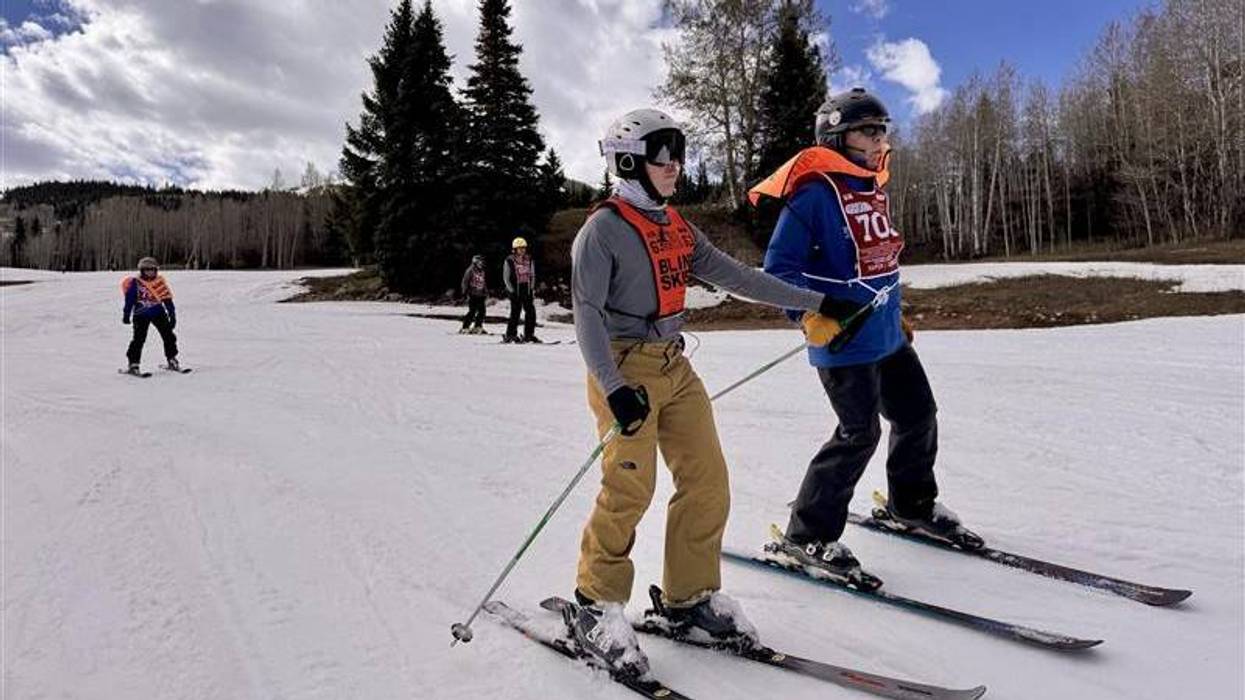
Today, Tidwell receives his care through the VA Eastern Colorado Health Care System and recently attended his first National Disabled Veterans Winter Sports Clinic, working alongside Blind Rehab Specialist Alyssa Lucas.
Together, they discussed openly how recovery is not a straight line but cycles through stages.
“There isn’t a clear finish line,” Lucas said. “You move through stages and revisit.”
Tidwell’s mission is now clear: to advocate for accessibility so nobody is blocked from independence by design.
“You can’t be independent if you can’t access what’s there,” he said.
With new goals and purpose on the horizon it is clear his story isn’t about what happened on March 31, 2019. It’s about every day after.