


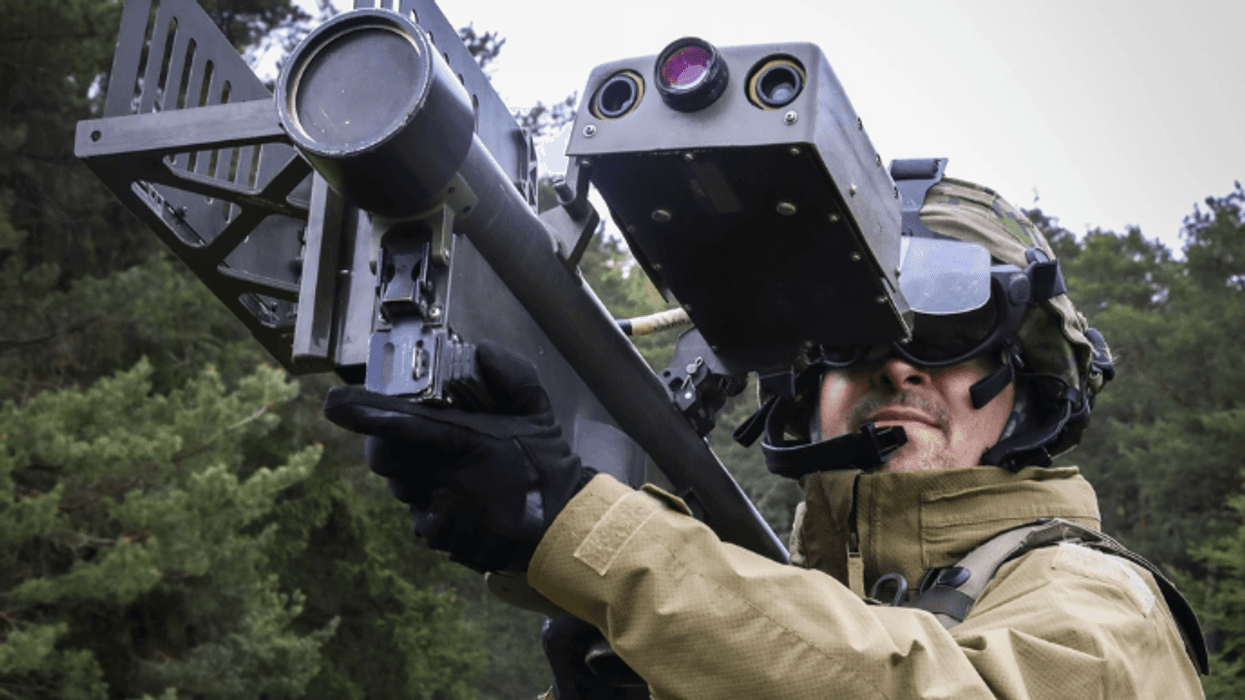

Raytheon has announced the successful testing of 10 sub-systems for the new Next-Generation Short-Range Interceptor (NGSRI) missile which will replace the aging, if somewhat iconic, Stinger missile system which has been in service for 45 years, first entering service with the U.S. military in 1981.
The FIM-92 Stinger missile belongs to a family of weapons known as MANPADS short for man-portable air defense munitions. These are the famous anti-aircraft missiles that the United States government provided to the mujahadeen in Afghanistan when they were fighting the Soviets in the 1980s.
The Stinger is seen by many as the weapon system that tilted the course of the conflict against the Soviets, and the failure of the war in Afghanistan is one aspect of why the Soviet Union itself collapsed.
The new NGSRI missile is designed to be fired from the existing Stinger launch module as well as existing vehicle-mounted options.
The recent sub-system tests put various components and aspects of the missile through its paces. This included testing the seeker, the flight rocket motor, the command launch assembly, and the warhead itself. Other tests included critical missile functions, tracking, guidance, aerodynamic control, fuzing, and safety, according to a Raytheon press release.
The next step of testing is for soldiers and Marines to get hands-on experience with the new missile, try it out in controlled conditions, and then offer real-time feedback to Raytheon for additional improvements.