Death Cab for Cutie reveal how 'compartmentalizing' grief helped new album, 'I Built You A Tower'
The new album, 'I Built You A Tower,' is out everywhere on June 5

Death Cab for Cutie have emerged from their anniversary celebration of Plans with new music. The group has announced their 11th studio album, I Built You A Tower, out everywhere on June 5, and shared the first sample with the song, "Riptides."
LISTEN NOW: Audacy Check In with Death Cab for Cutie
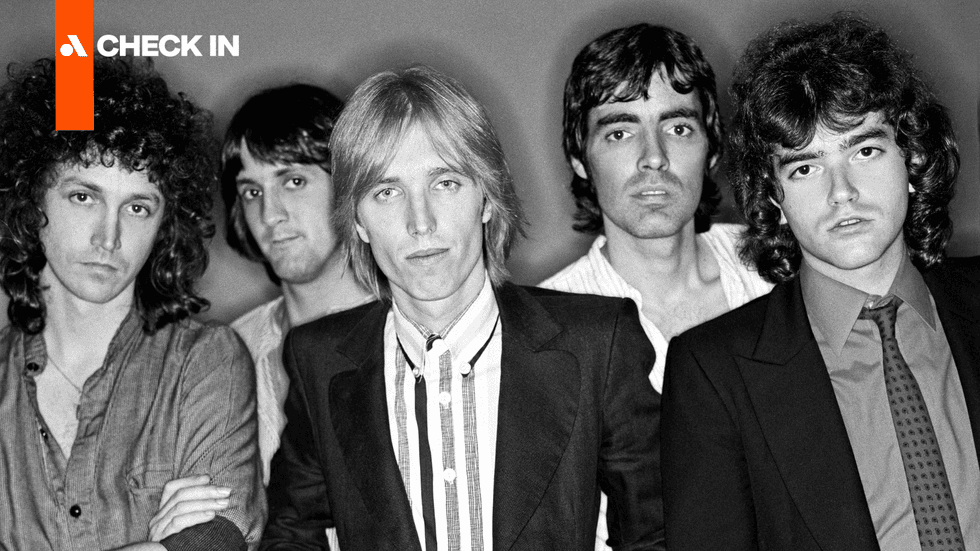
Ben Gibbard and Nick Harmer from the group recently stopped by our KROQ studios in Los Angeles to talk with Megan Holiday about the new project, reconnecting to their earlier work, and how personal grief management helped inform the album.
While on tour to celebrate the milestone for Plans, and coming off anniversaries for the album Transatlanticism and The Postal Service's Give Up, singer Ben Gibbard was also going through a divorce, having to put the emotions surrounding his relationship aside to perform in arenas across the country. "It was a really difficult period in my life, but I was also tasked with going on stage in arenas and translating these records, performing these records for people," Ben admits.
"I had to compartmentalize everything I was going through personally in order to perform every night, which is something that people have to do in their daily lives. We all have to do that in order to do our jobs. If we're gonna do our jobs well, we have to leave certain stuff at the door and come in and try to execute our jobs," he adds. "So, In the process of doing that, I found myself really meditating on this idea of compartmentalization, emotional compartmentalization, and how oftentimes, we have to compartmentalize grief or pain in our lives so that we can just either get through the day or get through a task we have to do."
"So, I kind of stumbled into this metaphor or this idea of like building a tower and placing in your kind of emotional landscape and placing trauma or pain or suffering into it, so that you're aware that it's there. You can see the edifice in the distance, but it's also the details of it, the actual way it looks, the way it actually feels is somewhat compartmentalized in that edifice," reveals Gibbard. "There are inevitably times where those traumas, those pains, those experiences, they escape the kind of the thing you've enclosed them in at often very inopportune times and times you're not expecting, and that can be you're driving down a street where you know you had this experience with somebody that you once cared about and just comes flooding back, you know, we've all had these experiences in our lives. So to me the central idea of the record and the central theme of the record is that compartmentalization of grief and how sometimes it breaks out of the compartments that we try to hold it in."
That thread extends through Death Cab's lead single, "Riptides," as the band explores what it's like to experience your own personal story alongside a more global trauma with everyone else. "I think at its core of the song is about how when we're going through something personally, oftentimes, certainly in the modern world, there are things going on on the global scale or the national scale that are incredibly traumatic for a lot of people and affect people very deeply," explains Ben. "Certainly the last couple of years, you know, there's been innumerable tragedies and atrocities around the world. And you know when someone is going through their own, trying to manage their own life after dealing with something painful or a trauma or something like that, oftentimes we find ourselves saying things like, 'well, I really can't complain,' you know, we were saying this during the pandemic too. 'Well, I really can't complain, I mean, I have a roof in my head,' but it's like, yeah, that's true, but also you're going through something incredibly difficult, and it's OK for you to focus on that, you don't need to qualify that there are other people suffering even because we all know that."
"It's an even more debilitating effect on you emotionally because you feel what you feel, but also you feel the suffering of other people, and then you're comparing that suffering to what you're going through, and then it diminishes how you're feeling, and you just all of a sudden you just find yourself exhausted by the confluence of these things happening at the same time. And so that's kind of what the song is about."
To hear much more from Death Cab for Cutie about their upcoming album, I Built You A Tower, check out the full conversation above.