


(WBEN) - New York may have undercounted COVID-19 deaths of nursing home residents by as much as 50%, the state's attorney general said in a report released Thursday.
Attorney General Letitia James has, for months, been examining discrepancies between the number of deaths being reported by the state's Department of Health, and the number of deaths reported by the homes themselves.
Her investigators looked at a sample of 62 of the state's roughly 600 nursing homes. They reported 1,914 deaths of residents from COVID-19, while the state Department of Health logged only 1,229 deaths at those same facilities.
If that same pattern exists statewide, James' report said, it would mean the state is underreporting deaths by nearly 56%.
Part of the gap is explained by a decision by New York's health agency to exclude from its count the number of nursing home patients who die after being transferred to hospitals. Hospital and nursing home officials say the state has ready access to that figure.
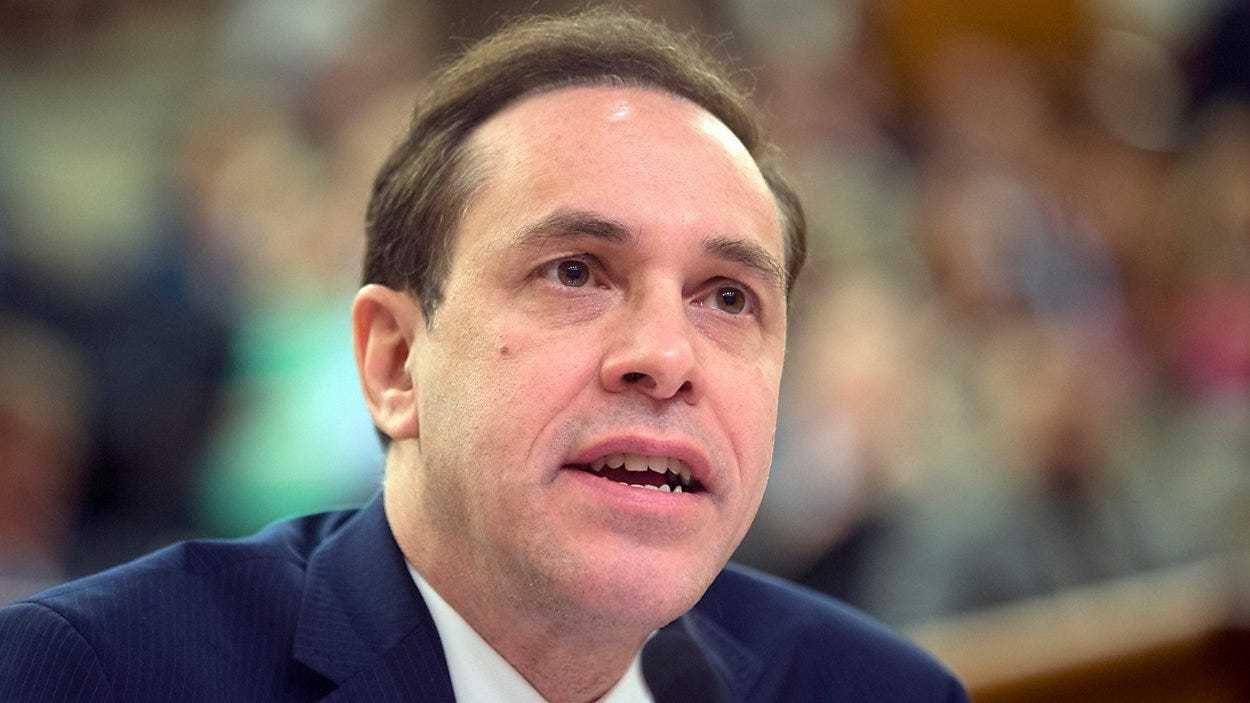
Health Commissioner Howard Zucker has said at times that the state is working on compiling that data. His department has not responded to repeated requests by The Associated Press for that figure in recent weeks.
As of Tuesday, the state was reporting 8,711 deaths in nursing homes statewide.
James' report, which her office described as preliminary, mirrors findings by others who have scrutinized New York's statistics on nursing home deaths.
An Associated Press analysis published in August concluded that the state could be understating deaths by as much as 65%, based on discrepancies between its totals and numbers being reported to federal regulators. That analysis was, like James' report, based on only a slice of data, rather than a comprehensive look at all homes in the state.
Gov. Andrew Cuomo promised to take a "special" effort to protect nursing homes early on last spring. He tasked James last year with investigating how nursing homes were complying with COVID-19 guidelines last year.
James said her review found that a lack of infection controls at nursing homes also put residents at increased risk of harm, while nursing homes that had lower federal scores for staffing had higher COVID-19 fatality rates.
"As the pandemic and our investigations continue, it is imperative that we understand why the residents of nursing homes in New York unnecessarily suffered at such an alarming rate," said Attorney General James. "While we cannot bring back the individuals we lost to this crisis, this report seeks to offer transparency that the public deserves and to spur increased action to protect our most vulnerable residents."
Zucker issued the following statement:
The New York State Office of the Attorney General report is clear that there was no undercount of the total death toll from this once-in-a-century pandemic. The OAG affirms that the total number of deaths in hospitals and nursing homes is full and accurate. New York State Department of Health has always publicly reported the number of fatalities within hospitals irrespective of the residence of the patient, and separately reported the number of fatalities within nursing home facilities and has been clear about the nature of that reporting. Indeed, the OAG acknowledges in a footnote on page 71 that DOH was always clear that the data on its website pertains to in-facility fatalities and does not include deaths outside of a facility. The word "undercount" implies there are more total fatalities than have been reported; this is factually wrong. In fact, the OAG report itself repudiates the suggestion that there was any "undercount" of the total death number.
The OAG's report is only referring to the count of people who were in nursing homes but transferred to hospitals and later died. The OAG suggests that all should be counted as nursing home deaths and not hospital deaths even though they died in hospitals. That does not in any way change the total count of deaths but is instead a question of allocating the number of deaths between hospitals and nursing homes. DOH has consistently made clear that our numbers are reported based on the place of death. DOH does not disagree that the number of people transferred from a nursing home to a hospital is an important data point, and is in the midst of auditing this data from nursing homes. As the OAG report states, reporting from nursing homes is inconsistent and often inaccurate.
'While some commentators have suggested DOH's March 25 guidance was a directive that nursing homes accept COVID-19 patients even if they could not care appropriately for them, such an interpretation would violate statutes and regulations that place obligations on nursing homes to care for residents. For example, New York law requires a nursing home to "accept and retain only those residents for whom it can provide adequate care." See 10 NYCRR § 415.26(i)(1)(ii). Preliminary findings show a number of nursing homes implemented the March 25 guidance with understanding of this fundamental assessment.' (Pg. 72, footnote 45)
All of this confirms that many nursing home operators made grave mistakes and were not adequately prepared for this pandemic, and that reforms are needed, which is why we proposed radical reforms to oversight of nursing home facilities in this year's State Budget. We will do everything in our power to enact those reforms this year. This is still an ongoing crisis and we will continue deploying every resource possible to ensuring the health and safety of every single New Yorker.