


The novel coronavirus has not only created an unprecedented challenge to health care, but also an entirely new economic crisis unlike anything markets have seen before.
There's a good chance the virus will reshape economic habits and markets in its wake, and it could have effects long after infections stop.

Here's how the coronavirus could affect the stock market into the future.
Economic impacts might last years, not months
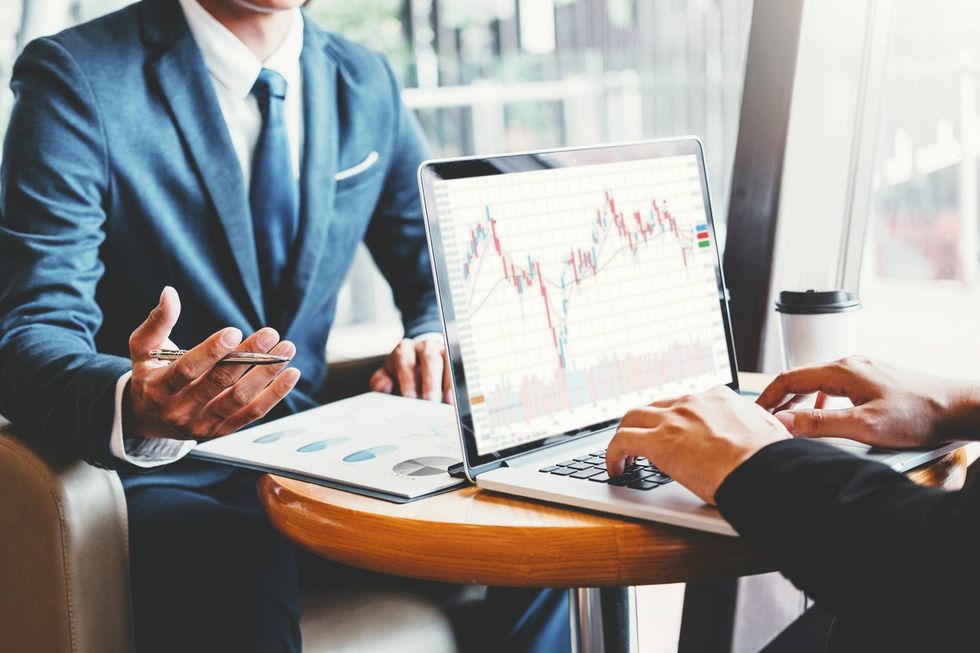
Janet Yellen, the former chairwoman of the Federal Reserve, has joined the chorus of economists questioning President Trump's confidence that the stock market will recover quickly as soon as the coronavirus outbreak is contained. People haven't just lost their jobs or stopped spending. Yellen cited long-term factors like workers becoming deskilled and companies cutting back on R&D to suggest that, even if offices reopen and consumers begin spending again quickly, the economy will take years to recover lost momentum.
The damage depends on the virus

Economic forecasts faithfully follow predictions about the severity of the coronavirus crisis. As COVID-19 takes bigger bites out of the economy, American morale, the workforce, and consumer spending, projections for economic recovery grow darker. Fed chair Jerome Powell made a rare TV appearance to share his optimistic viewpoint on recovery, but even with rose-colored glasses, he admitted, "It will really depend on the spread of the virus. The virus is going to dictate the timetable here." If the spread of the virus is worse, the social distancing and economic shut-down will need to be more severe to control it.
A 'coronavirus recession' is comparable to the Great Recession
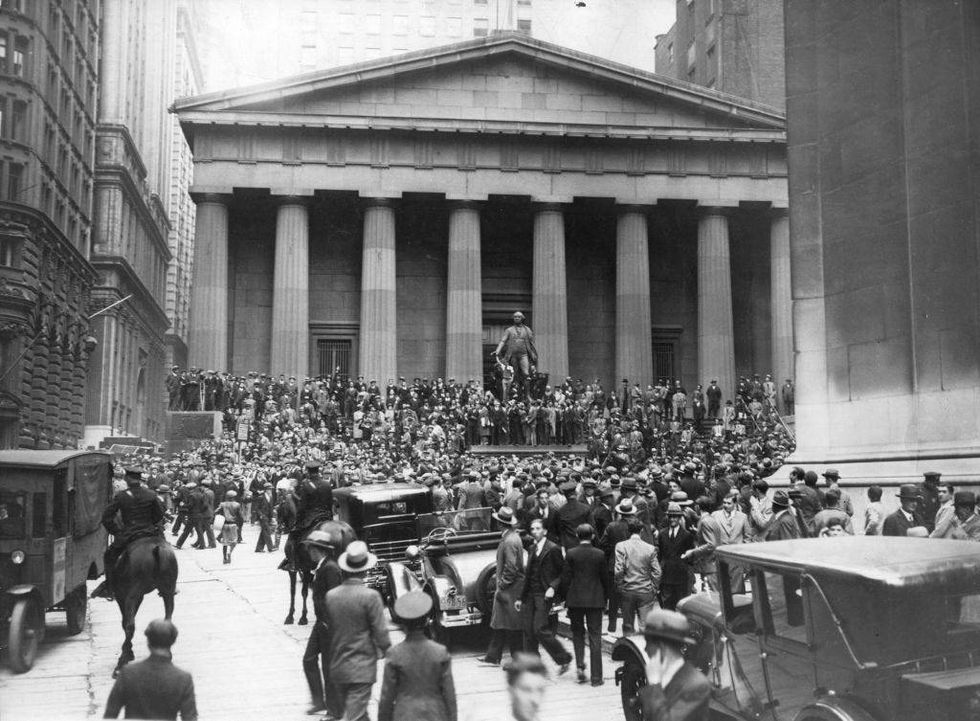
Forget the financial crisis of 2008. The current economic nosedive looks more like the financial crash of 1929. Depending on how you measure the recovery after the Great Recession, it took anywhere from seven to 20-plus years for the economy to recover fully. While the situation is unlikely to get quite as bad today, the economy is in historic territory.
Lifting lockdowns too early could really hit the economy
According to the LA Times, in a poll of dozens of prominent economists, experts agree that lifting lockdowns early only to see a resurgence in the novel coronavirus would damage markets even more.
Consumer anxiety could remain long after the pandemic

There's a good chance consumer habits will be permanently altered by the sudden, unprecedented economic downfall. The New York Times suggests that some social distancing measures could remain in effect for long into the future, while worried consumers may remain anxious about spending.
It could ultimately make the economy more resilient
CNBC goes further, suggesting an entire generation of "supersavers" will refrain from spending, reshaping the economy in the process. Morgan Housel, partner at venture capital firm Collaborative Fund, told CNBC that this would dampen GDP, but, "It might lead to a system where we're actually more capable of managing and absorbing future shocks than we are today."
Who knows

As the NY Times points out, "For years, a segment of the economic orthodoxy advanced the notion that globalization came with a built-in insurance policy against collective disaster." But the novel coronavirus is affecting every major economy around the world at once. There has never been a pandemic-driven economic crash like this before, giving economists little in the way of analogous evidence to make predictions.
Get the latest coronavirus updates on RADIO.COM.
LISTEN NOW on the RADIO.COM App
Follow RADIO.COM
Facebook | Twitter | Instagram