


NEW YORK (BLOOMBERG) — Just as free buses gain new political champions, the city that helped popularize the idea is abandoning it.
Kansas City reinstated bus fares this month after six years, unwinding a closely watched experiment that inspired zero-fare transit campaigns across the US, including New York City Mayor Zohran Mamdani’s.
Transit officials in the Missouri city say the zero-fare program became difficult to sustain after the expiration of federal Covid pandemic relief funds that had helped offset its costs for several years. While the Kansas City Area Transportation Authority initially estimated it would forgo about $8.8 million annually in fare revenue, the agency says the true cost of operating a zero-fare system grew to roughly $15 million a year, partly due to unanticipated expenses and inflation.
“As we ran out of the money and the support, we were forced either to make more service cuts or move to fares to support those services,” said Tyler Means, chief mobility and strategy officer at KCATA.
The transit agency’s decision carries lessons for other cities. But some zero-fare transit advocates caution against drawing broader conclusions. They say money was spent elsewhere that could have gone to free buses, and that the city is undercutting ridership increases seen under the program.
“I hope that other entities don’t see Kansas City as an example of fare-free policy not being able to work,” said Joel Mendez, a professor at the University of Kansas who has studied the program.
Competing Priorities
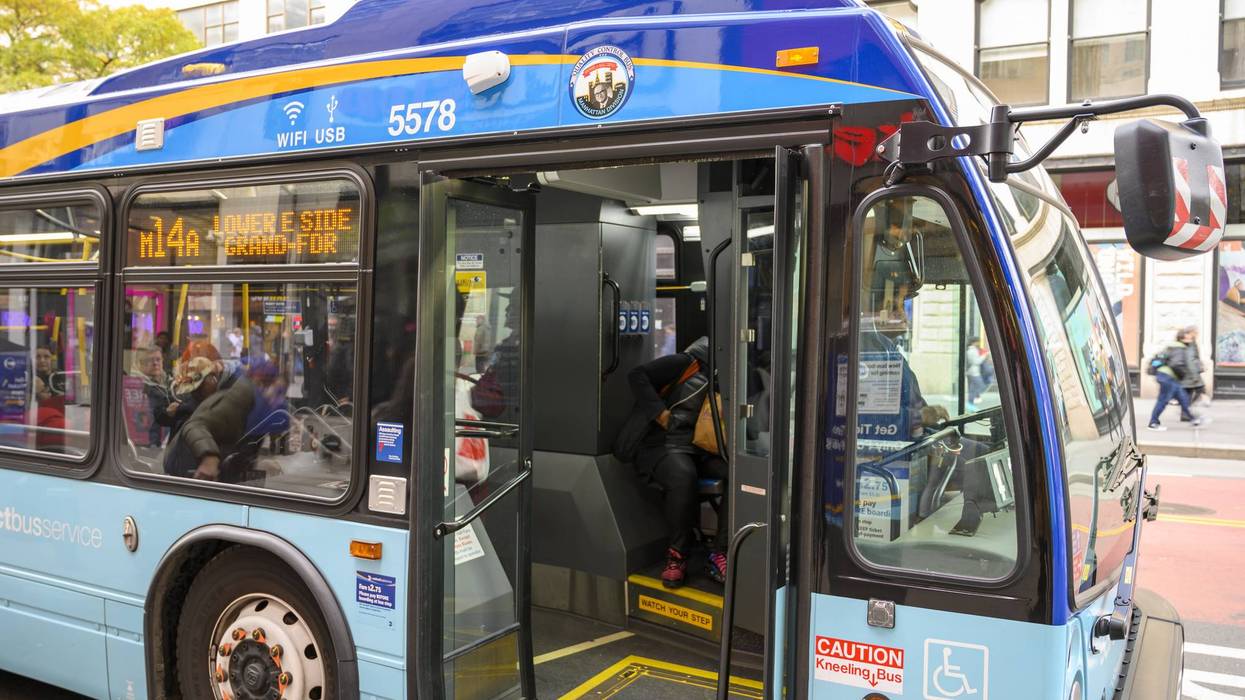
The end of free buses comes just as Kansas City welcomes World Cup fans. Mayor Quinton Lucas has touted temporary shuttle buses as well as another transit mode — a free seven-mile streetcar that runs between downtown and other popular destinations such as the riverfront and museums. Meanwhile, riders on the city’s regular buses are being charged a fare again — up to $2, from $1.50 before the free program. (Riders 65 and older, as well as eligible low-income residents, can pay a reduced fare of $1.)
Tom Gerend, executive director of the nonprofit Kansas City Streetcar Authority, says the streetcar is vital for regional tourism and helps bring riders to downtown and major destinations. The streetcar is funded differently from KCATA buses — through a voter-approved sales tax, parking assessments and federal funding. “It runs fare-free to minimize dwell times and maximize the economic benefits it generates for riders and the corridor it serves,” said Mayor Lucas in an emailed statement, adding that the streetcar is built to serve a different purpose.
But others say the service only benefits a narrow segment of the region and argue the city should prioritize its buses.
“The streetcar line didn’t add any new transit options to Kansas City. It just replaced a bus line that ran that same route,” says Patrick Tuohey, senior fellow at the Show-Me Institute. Although Tuohey is not a proponent of free buses, he would rather see money invested in better bus service over a free streetcar. “The city should look at its investment in the bus system because that actually is used to get people where they need to be.”
Mayor Lucas, who championed the free buses at their inception, says Kansas City residents pay more than their fair share of taxes for KCATA’s system even though it serves several counties in Missouri and Kansas. “The imbalance isn't sustainable, and as we work with KCATA toward long-term financial stability, fares for riders who can afford them are part of the picture.” He says the agency is working on a structure that’s “functionally fare-free” by offering free service to riders in need.
Transit agencies across the US are facing acute funding struggles as federal money dries up and ridership has been slow to recover post-pandemic. Some have confronted the prospect of drastic service cuts as they continue their scramble to raise revenue.
Opponents of zero-fare transit argue that fares are an important part of the funding mix for US transit agencies. They also say better service is a more important factor in boosting ridership than making it free for all riders.
“Zero-fare means worse service,” says Jarrett Walker, a public transportation planning consultant. “Taking out fares creates a much bigger hole that requires much bigger service cuts unless you find money from somewhere else.”
Backers of zero-fare, including former KCATA Chief Executive Officer Robbie Makinen, who spearheaded Kansas City’s free bus program, say the return to fares will increase transportation barriers for people who relied on buses to access work, education and healthcare.
“Now you’re not going to have folks being able to ride and get places when they could before because they’re concerned about using that $2,” he says. “It’s going to put them in a difficult situation again.”
A study published last year by Mendez found that 17% of surveyed KCATA passengers began using the bus service after fares were eliminated, with women and younger passengers especially likely to be among them.
Those gains could be harder to sustain now that fares have returned. “The majority of folks listed the continued implementation of zero-fare policy as the most important thing that would contribute to them using transit more often,” Mendez says.
Model, or Aberration?
Kansas City approved fare-free transit in December 2019 — the first major US city to do so. The arrival of pandemic relief funds in 2020 helped sustain the policy.
In the years since, some transit funding has been used for other city priorities. City leaders in 2022 reportedly pressured KCATA to spend around $20 million in federal pandemic funds to pay for new streetlights — a move Makinen resisted as CEO of KCATA. He later resigned. The transit agency had to then rely on other Covid-related federal funds that could have been used for bus purchases and operational support, says Means.
If those funds hadn’t been redirected, “it may have allowed for another year or two of zero-fare services,” Means said. But, he maintained: “Those funds would have eventually run out and we would have found ourselves where we are today.”
The agency also spent $8.7 million for additional World Cup transit service, but that came from a specialized pool outside its regular budget, Means said.
Both Makinen and Mendez say they worry Kansas City’s retreat could have repercussions beyond Missouri.
Making buses free was a cornerstone of Mamdani’s mayoral campaign in New York, and he has pointed to Kansas City as evidence of the policy’s feasibility. Doing so would require finding hundreds of millions of dollars to replace lost fare revenue.
Mamdani's proposed funding sources, including higher corporate taxes and a new income tax on top earners, face opposition from some state and local lawmakers. Still, supporters of fare-free transit are encouraged by other cities that have managed to sustain the policy. Among them is Albuquerque, New Mexico, which made its fare-free transit program permanent in November 2023 following a pilot that launched a year earlier.
Although elements of Albuquerque’s program were inspired by Kansas City, Albuquerque Transit Deputy Director Bobby Sisneros says his city is better positioned to succeed because its transit system is part of the local municipality, which can help offset lost fare revenue.
“Absolutely for the foreseeable future there are no plans on going back to the fare system,” he says.
Programs in smaller cities don’t necessarily translate to the biggest ones, cautions Walker. “Kansas City and Albuquerque are getting an important amount of money from the fare box, but it’s not very big,” he says. “That number is much higher in New York.”
Still, other major US cities are experimenting with zero-fare. Boston, which started a fare-free pilot on three routes in 2022, recently announced another six-month extension through the end of the year. The program has continued to struggle to find funding for a long-term commitment.
One option with broader political support is free fares only for some residents with greater need. Philadelphia launched a pilot zero-fare program in 2023 for low-income residents. An Urban Institute evaluation found that participants reported lower financial stress and greater access to jobs, grocery stores and schools.
“It’s like a weight lifted off your shoulders,” one rider told researchers. “Having a Zero Fare card gives you an incentive to be able to get dressed and walk out the door because you know you can get to your destination without having to worry about how you’re going to get there and how much it’s going to cost.”
More stories available on bloomberg.com.