

NEW YORK (1010 WINS) -- A record 2.2 million New Yorkers—more than one in four—are living in poverty, according to the latest Poverty Tracker report released Monday.
The report shows poverty has increased for the third year in a row, with the poverty rate rising from 25% to 26% between 2023 and 2024. The number is twice the national average of 13%.
It's the largest number of New Yorkers living in poverty since Columbia University and the anti-poverty group Robin Hood started collecting data in 2015 to get a snapshot of the impacts of the city's affordability crisis.
Among those in poverty are 1.7 million adults (25%) and nearly 450,000 children (27%), according to the report.
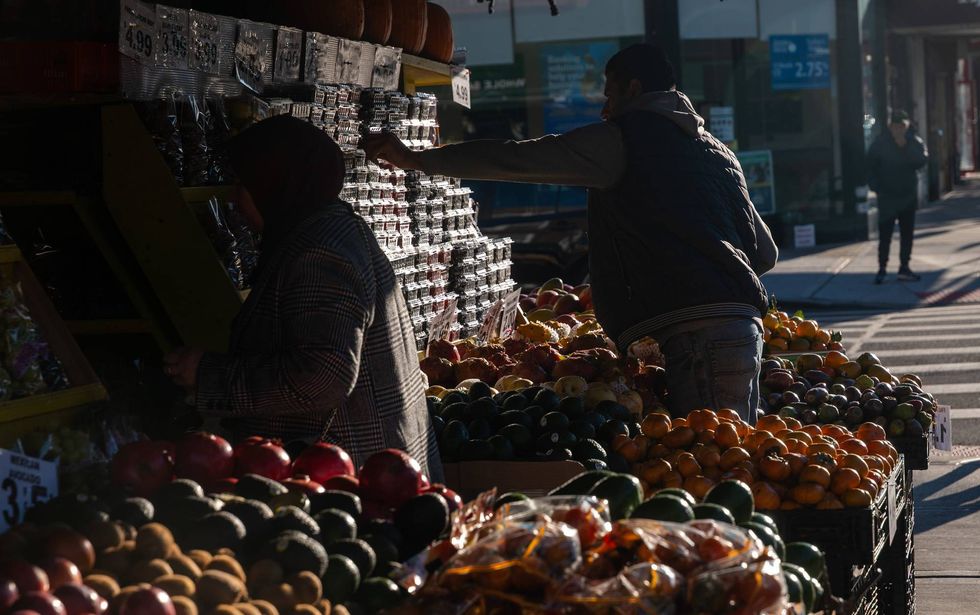 The study looks at basic needs — food, shelter, utilities — and tracks 3,000 families.Spencer Platt/Getty Images
Sophie Collyer, research director at the Center on Poverty and Social Policy at Columbia University, told the New York Times, "The big takeaway is that in 2024, economic hardship in New York City was the norm."
The study looks at basic needs — food, shelter, utilities — and tracks 3,000 families. More than half of people in the city live in families experiencing at least one form of material hardship, the study found.
"Having a roof over your head, putting food on the table. It's important to remember that something like utilities is not a luxury," said Richard R. Buery, Jr., CEO of Robin Hood.
Buery said public assistance is also about to become more restrictive. For example, new SNAP work eligibility requirements take effect this month.
"This is the first month where you'll have to begin to explain and justify your eligibility for SNAP," Buery said.
The study warns such cuts could push thousands more people into poverty.