

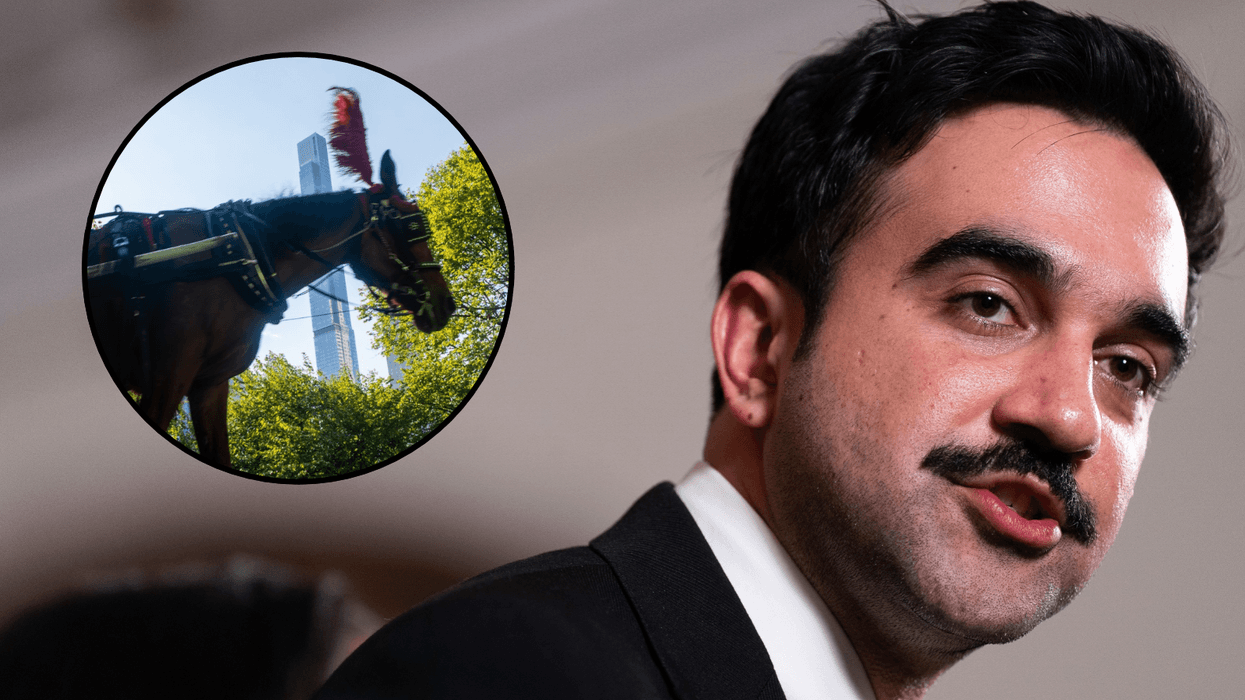
NEW YORK (1010 WINS) -- Mayor Zohran Mamdani announced a plan Tuesday to support horse-drawn carriage workers as the city phases out the over-150-year-old industry.
The Mayor's Office said the framework includes medallion buybacks, training, career guidance and education for the 200 workers who operate in and around Central Park. A full transition plan will be released by April 2027, the office said.
"As New York City moves to bring the horse-drawn carriage industry to a close, we have a responsibility to the workers who have built careers in this industry," Mamdani said in a statement. "This administration will not leave them behind."
The City Council voted 40 to 7 last month to pass Romanch's Law and ban horse-drawn carriages following years of activism from animal rights activists, who said forcing horses to work in urban conditions is unsafe and cruel. The law was named after an 18-year-old tourist, Romanch Mahajan, who died in a fall off a horse carriage in June. The ban takes effect June 1, 2028.
City Hall said it will work with the horse workers' union, TWU Local 100, "at every step of the process to ensure their feedback is integrated into the full plan."
In a statement, TWU International President John Samuelsen said the union will file a federal lawsuit challenging the law's legality when the mayor signs it.
“The core problem remains," Samuelsen said. "The City Council passed a horrifically flawed and unconstitutional anti-worker bill that abolishes an entire industry - without any funding, mandates, or guarantees."
"All of these planned initiatives could quickly be abandoned in a fiscal crisis as the city scrambles to fund all of its other responsibilities and priorities," Samuelsen continued. "That would leave hundreds of horse-carriage workers, owners, and family members on the curb with nothing at all.”