



NEW YORK (BLOOMBERG) -- The Metropolitan Transportation Authority could save up to $2.5 billion each year through operational improvements, faster buses and getting current and retired employees to pay more for their health insurance coverage, according to a fiscal watchdog group.
The Citizens Budget Commission, a nonprofit civic group that focuses on New York City and state budgets, is urging the MTA to implement changes as it must resolve budget gaps that are set to grow to nearly $900 million by 2030, even as the MTA already expects to produce annual savings of $750 million by 2029. The MTA is a state-run agency that oversees New York City’s transit network of subways, buses and two commuter rail lines.
One key area is improving productivity. For every hour that an MTA facility maintenance employee works, the agency gets 0.97 hours that transit vehicles are in service, according to a report the CBC released Monday. Increasing it to the national peer median of 1.12 hours would save the MTA $361 million each year by 2029 and reduce 1,552 maintenance positions, according to the report.
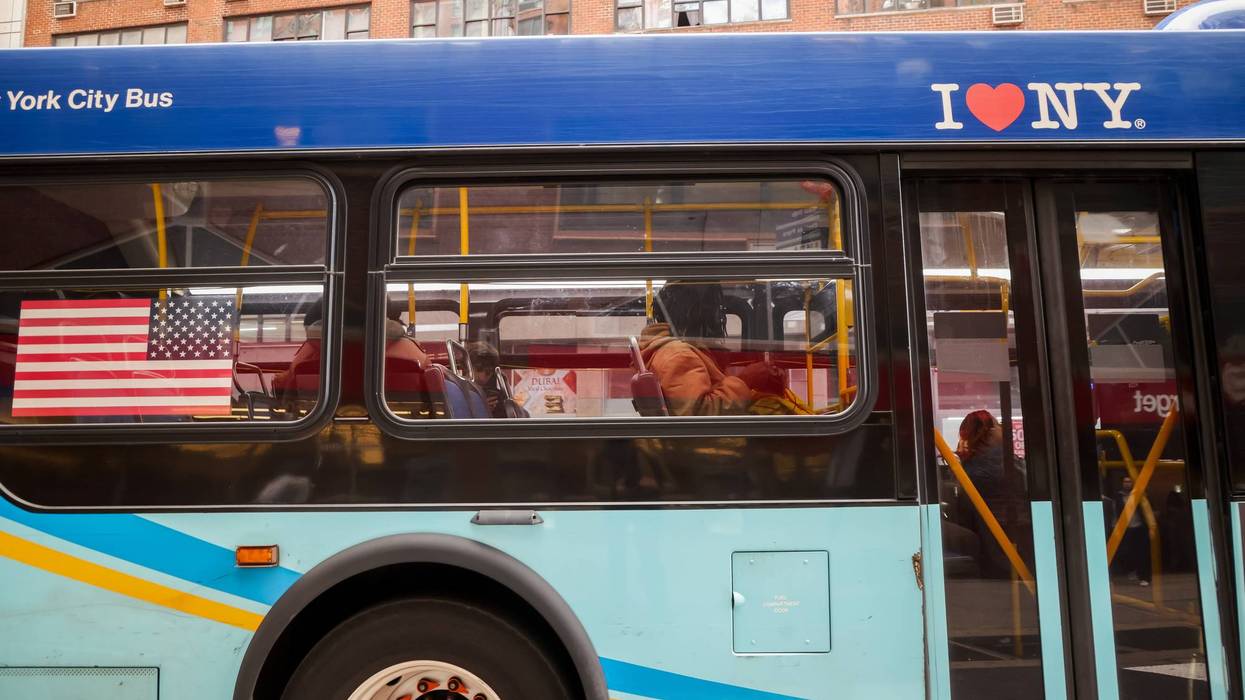
MTA and city officials are creating more designated bus lanes to help speed up buses. Increasing their speeds by 15% would create $303 million of annual savings, according to the report. Reducing the number of subway conductors by 50% — which would increase the use of one-person train operation — would save $238 million each year by 2029, according to the report.
“The MTA’s services are critical to the region’s economy and quality of life,” the report said. “While implementing these recommended changes will be challenging and take time, they help ensure the MTA’s long-term fiscal stability so that it can continue to provide services that support the region.”
Retired MTA employees currently don’t pay healthcare premiums. Requiring them to make contributions similar to retired New York State workers would save $318 million annually by 2029, according to the report.
“The CBC is right to note that we’ve made extraordinary progress in securing hundreds of millions of dollars in new recurring operational efficiencies,” Mitch Schwartz, MTA’s senior advisor for policy and external relations, said in a statement. “And we welcome their endorsement of the cost saving and productivity initiatives that are central to Next Stop: Faster Buses, Better Service, the report we co-authored earlier this year.”