



Rates of infants who aren’t receiving an important shot that prevents death from blood loss have “accelerated” this year and last year, according to research released Tuesday by Truveta, a health and data analytics company.
This research indicates that 5.2% of births did not have documented receipt of vitamin K (an essential part of the body’s blood clotting response) as of this January and by this June, the percentage had increased to 8.1%. That’s a 57.4% increase in the first half of the year alone.
Per the U.S. Centers for Disease Control and Prevention, research shows that a single vitamin K shot at birth protects your baby from developing dangerous bleeding. If the bleeding isn’t prevented it can lead to brain damage or even death, and babies are 81 times more likely to have life-threatening bleeding in the brain or gut without the injection, according to the CDC.
Before vitamin K shots were regularly given to newborns beginning in 1961, up to one in 60 developed vitamin K deficiency related bleeding in the first week of life, the Center for Infectious Disease Research & Policy (CIDRAP) at University of Minnesota explained. Like the CDC, the university said that just one vitamin K shot protects babies until they are four to six months old, around the time that they can get the vitamin from solid foods.
Truveta said that “only small amounts of vitamin K cross the placenta before birth,” and babies don’t get much during the breastfeeding stage either. CIDRAP explained that “although breastmilk is the best first food for newborns, it contains relatively little vitamin K,” and “the newborn gut has not yet developed the bacteria that help produce it.”
UC Davis also noted that “recent studies show that mothers who take high doses of vitamin K while breastfeeding don’t increase the level of vitamin K passed to the baby, according to the American Academy of Pediatrics.”
Experts – including those cited by the CDC, CIDRAP and UC Davis – generally agree that vitamin K shots are safe and show no evidence of harm to babies. There was one British Medical Journal study published in 1990 that raised concerns about childhood cancer and the shots, but subsequent research has failed to actually establish a connection.
“Pediatricians became very concerned about this and have done many studies since then, in many different ways, trying to see if this link was true,” said the CDC. “None of the studies to date found this link again, even though doctors and scientists looked very hard for it.”
So, why are parents choosing to skip out on a shot that could protect their babies?
According to a report in Reuters this week that includes an exclusive analysis of the Truveta data, Dr. Sarah Coggins experienced an unusual cluster of babies with severe bleeding from vitamin K deficiency when she was a medical student at Vanderbilt Children’s Hospital in Nashville back in 2013. Reuters said the parents believed the shot was unnecessary, and potentially toxic or carcinogenic, according to an account published by the CDC. Coggins cared for one of the babies.
“The baby had long-term brain damage,” said Coggins, now a neonatologist with Children’s Hospital of Philadelphia. “I’ve always carried that with me. I think most pediatricians have a story like that.”
Research published in the Hospital Pediatrics journal in 2020 noted that the American Academy of Pediatrics made public education about intramuscular vitamin K shots at birth a priority in 2019 in response to reports of refusal that led to vitamin K deficiency bleeding (VKDB). In 2020, the COVID-19 pandemic also brought a new wave of skepticism about shots, particularly vaccines.
“Since the COVID-19 pandemic… the number of people who question vaccine safety and other health measures has grown,” said CIDRAP. Dr. David Hill, a Seattle pediatrician and spokesperson for the American Academy of Pediatrics said he never used to see vitamin K shot refusals.
“Now, I breathe a small sigh of relief every time I review the medications for a newborn and see that the vitamin K was given,” he said.
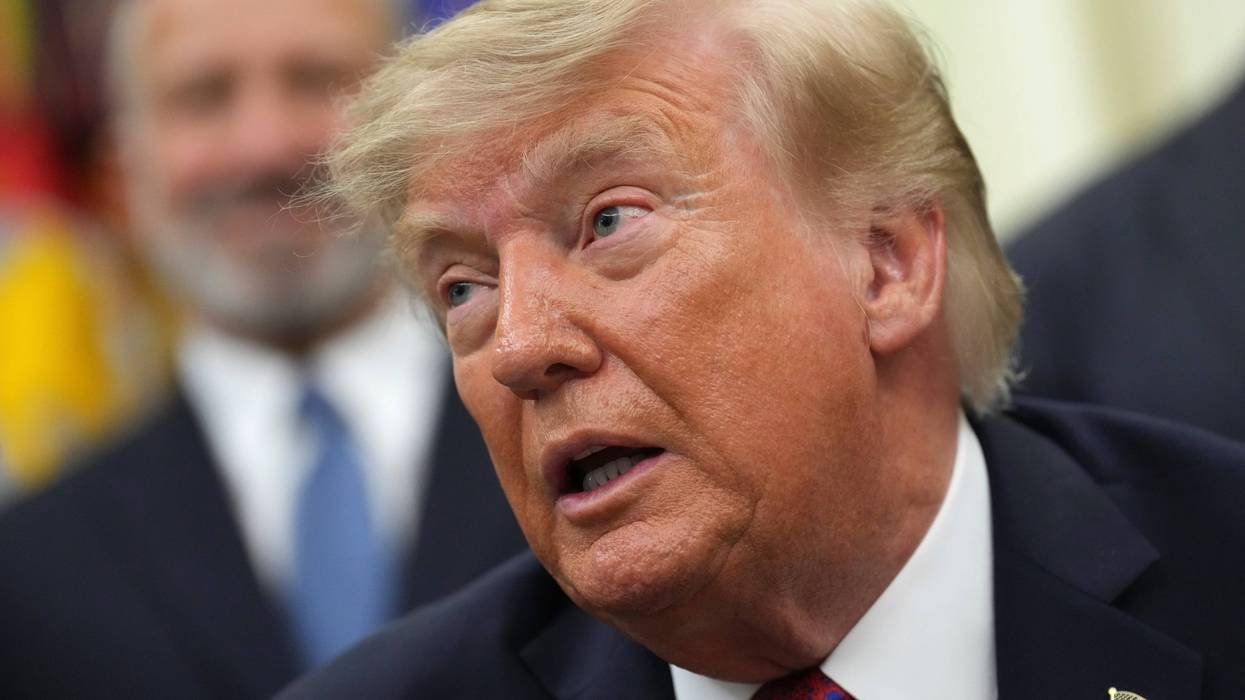
Following President Donald Trump’s appointment of known vaccine skeptic Robert F. Kennedy Jr. to lead the U.S. Health and Human Services Department, the conversation around vaccines has become even more complicated.
“For decades, Health Secretary Robert F. Kennedy Jr. has stoked that mistrust, sowing doubt about vaccines and other established medicines,” said Reuters. “The acceleration in vitamin K refusals this year aligns with his January announcement dropping recommendations for the birth dose of the hepatitis B vaccine, and five other standard childhood vaccines, from routine use.”
In April, Rep. Kim Schrier (D-Wash.), the first pediatrician elected to Congress and chair of the Democratic Doctors Caucus, blasted Kennedy “for his refusal to take accountability for growing distrust in vitamin K shots for newborns,” per a press release from her office.
“Vitamin K prevents catastrophic brain bleeds, and now that you’ve made parents distrust doctors and shots, some parents are now refusing the vitamin K shot and other routine care, putting these babies at risk for bleeding out. This has a name, it’s called the ‘RFK Jr. Spillover Effect’: You spread misinformation, you scare parents and confuse them, parents don’t immunize their children or give them other routine care and then the kids get sick and they might even die,” Schrier said.
Last month, Audacy reported on data from the CDC that showed vaccination coverage among kindergarteners dropped last year following Kennedy’s controversial moves regarding vaccines. Reuters said Kennedy “denied any role” in declining support for vitamin K shots during an April Congressional hearing. Under Kennedy’s purview, the CDC does still strongly recommend vitamin K shots for newborns.
“Concerns about vitamin K and declining trust in public health institutions predate this administration and grew during the COVID-19 pandemic amid heavy-handed mandates during the Biden administration,” said U.S. Department of Health and Human Services spokesperson Grace Davis Jamison, as quoted by Reuters.
In July, Schrier and Sen. Angela Alsobrooks (D-Md.) called on public health officials to release information about vitamin K refusal rates. According to Reuters, Davis Jamison said the HHS and the CDC are evaluating available data and surveillance related to vitamin K refusal and associated bleeding events.
“It’s really terrifying. It’s like we’re going backwards,” Dr. Nia Heard-Garris, pediatric physician scientist at Lurie Children’s Hospital, Chicago, said of growing refusals, as quoted by Reuters. “We’re trying really hard to keep little babies alive.”
Another concerning finding in the Truveta research was that female babies are at a higher risk. That is in part because doctors will often refuse to circumcise male babies who do not get vitamin K shots, Reuters said. Kennedy has notably linked circumcisions and Tylenol use with autism.
“It’s not a theoretical risk. It keeps me up at night,” said Coggins of the growing risk to babies, including the larger percentage of female newborns, who don’t get vitamin K shots.