



Sometimes, a glass of water just doesn’t cut it. There are times when we might crave bubbles and that iconic, sweet taste of a crisp, cold Coca-Cola.
However, that taste doesn’t come without risks. Soft drinks like Coke are considered ultra-processed foods, and the U.S. Health and Human Services Department just made an announcement about plans to crack down on these products.
“Regular sodas are one of the leading sources of added sugars in the American diet,” Caroline Susie, a registered dietitian and national spokesperson for the Academy of Nutrition and Dietetics, previously told USA TODAY.
Classic Coke’s sugary recipe can lead to dental decay and weight gain if consumed in excess. Drinking Coke Zero Sugar and Diet Coke doesn’t come with those same risks, but the artificial sugar in them has been linked with concerns. All three contain caffeine, which should be consumed in moderation.
So, for us Coke enthusiasts, which one really is the best option? That depends on what one wants to avoid.
In the U.S., one 20-ounce bottle of Classic Coca-Cola has 240 calories, 75 milligrams of sodium, 65 grams of carbohydrates and 65 grams of sugars. Its ingredient list includes carbonated water, high fructose corn syrup, caramel color, phosphoric acid, natural flavors and caffeine. There’s around 34 milligrams of caffeine in a 12-ounce can of Coke.
Mexican Coke has a similar profile but it uses cane sugar instead of corn syrup for those who want a different flavor or who want to avoid corn syrup. It has less sugar at 39 grams but more sodium at 85 milligrams.
Diet Coke, which debuted in 1982, contains carbonated water, caramel color, aspartame, phosphoric acid, potassium benzoate, natural flavors, citric acid and caffeine. It has 40 milligrams of sodium and 46 milligrams of caffeine in a 12-ounce can.
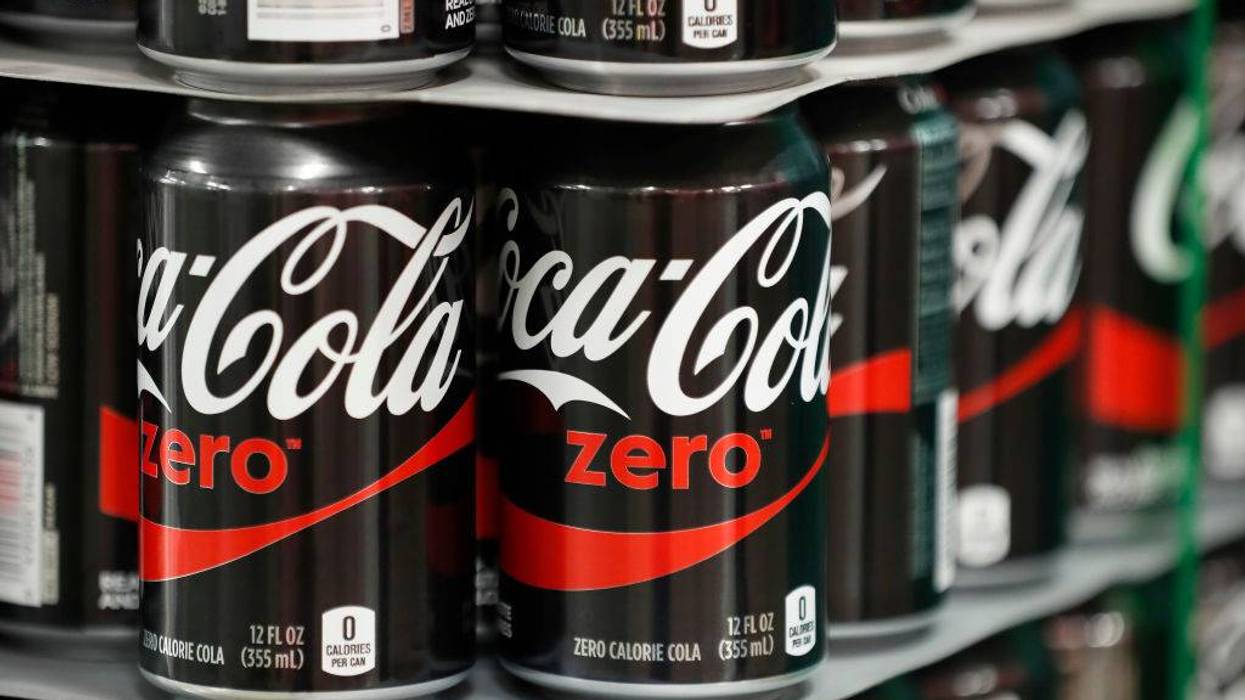
Coke Zero Sugar, which debuted in 2005 and got a makeover in 2017, contains carbonated water, caramel color, aspartame, phosphoric acid, potassium benzoate, potassium citrate, acesulfame potassium, stevia extract, natural flavors, and caffeine. It has 40 milligrams of sodium and 34 milligrams of caffeine in a 12-ounce can.
“If you're looking to choose between all these less-than-ideal options, the ‘healthiest’ Coke is probably Coke Zero Sugar, but only by a small margin,” said USA Today this week of the company’s main soft drink lineup.
It explained that Coke Zero Sugar sidesteps the sugar problem of Classic Coke. While Coke Zero Sugar and Diet Coke have the same amount of aspartame – an artificial sweetener that has been linked with some health issues – Coke Zero Sugar slightly beats Diet Coke since it has less caffeine. Coke Zero Sugar also contains stevia, a sweetener that brings its flavor profile closer to Classic Coke.
Aspartame is dangerous for people with a genetic condition called phenylketonuria (PKU) since it contains phenylalanine, according to the Mayo Clinic. Per the U.S. Food and Drug Administration, aspartame is safe for the general public, though the World Health Organization has identified risks associated with the sweetener.
Zevia sells a cola-flavored beverage that contains carbonated water, natural flavors, stevia extract, tartaric acid, caffeine and citric acid, with no sugar or aspartame.
All three versions of Coca-Cola are available caffeine free. Without caffeine, it’s a toss-up between Coke Zero Sugar and Diet Coke when it comes to health concerns.
Shelley Rael, a registered dietitian and nutritionist based in Albuquerque, New Mexico, cited by USA Today said they key is really moderation. She said an occasional Diet Coke or even a Classic Coke can be part of a healthy lifestyle, but she doesn’t encourage daily or excessive intake.
“No dietitian, nutritionist or physician would classify either Diet Coke or Coke Zero as healthy, but many would call them healthier alternatives to regular soda,” said USA Today. Susie said that these sodas offer “zero essential nutrients” and often displace healthier beverage options like water or unsweetened tea.
For those times when water or tea won’t do the trick, now you know how to pick the healthiest Coke (or cola) for you.