


WASHINGTON (AP) — Senators from both parties returned to Washington on Monday with questions about the future of their leadership after last week’s election decisively gave Democrats a significant new majority.
Republicans who are losing around a quarter of their conference to election losses and retirements are debating whether to immediately reelect South Dakota Sen. John Thune as leader in votes scheduled for Tuesday. Across the aisle, Democrats who could hold as many as 56 seats next year are having private discussions about whether New York Sen. Chuck Schumer is still the right person to lead them, even as he carried the party to historic wins.
Both men are expected to easily win the backing of a majority of their members in closed-door, secret-ballot elections — the Republicans this week, and Democrats likely in December. But the internal discussions on both sides could prove consequential to their parties’ effectiveness in the next Congress and how voters perceive them leading into the 2028 presidential election.
The soul-searching comes as lawmakers are trying to wrap up the year’s work — funding the government and seeing if there are some issues they can work together on, including national security money and energy permitting. Republicans will try to confirm as many of President Donald Trump’s nominees as they can before the new Congress begins Jan. 3, and Democrats will strategize on how to best keep up their momentum into next year.
“The American people are not looking for socialist government and leftist fantasies,” Thune said on the Senate floor Monday, reflecting on his party’s “tough night” last week and how Republicans will handle minority rule in the Senate. “We will oppose any attempt to balloon the size of government or tear down American institutions.”
Schumer said Democrats will prioritize affordability issues and “spend every second of every day striving to prove ourselves worthy of Americans' trust.”
Some Republican senators push for delay in leadership elections
Thune, who replaced Sen. Mitch McConnell of Kentucky as leader two years ago, has broad support among Senate Republicans and is expected to win reelection. Trump called him “a very fine man" on Monday, but said his reelection as leader “is up to the Senate.”
Still, some in his conference say Tuesday’s election is too soon and a lengthy conversation about the future is necessary.
A small group of senators has publicly called on GOP leadership to delay Tuesday’s election. Pennsylvania Sen. Dave McCormick in a statement over the weekend said Republicans shouldn’t choose a leader until the lessons of the election have been “digested and debated.”
Republican Sen. Mike Lee of Utah, one of several senators who signed a letter from Wisconsin Sen. Ron Johnson asking for a delay, said any leadership contest should come after the two outstanding Senate elections in Alaska and Mississippi are decided. Neither of those races have yet been called, and it’s unclear if Republican Sens. Dan Sullivan of Alaska and Cindy Hyde Smith of Mississippi will be returning next year.
Thune made clear Monday that leadership is moving ahead with the election, but senators could seek a vote to delay at the Tuesday morning meeting.
He said the conference will have a “very fulsome, robust conversation about where we go from here and then we’ll see what the consensus of the conference is.”
“Ultimately that’s a decision made by Republican senators,” Thune said.
Thune has at times been at odds with Trump, and some in the Republican base have criticized Thune for the chamber’s failure to pass voting legislation that would require proof of citizenship for all voters.
Schumer faces critics on all sides, but still has support
Schumer has found critics on the left and the right as candidates from both sides of the party declined to say on the campaign trail whether they would support him as leader. Many in the party have said it’s time for generational change after Schumer’s 12 years leading the Senate Democratic caucus.
Still, Schumer appears to have widespread support from his members after carrying his party to massive wins in Tuesday’s elections.
Sen. Kirsten Gillibrand, Schumer’s New York colleague and the head of the Democratic Senate campaign arm this cycle, said he not only won the Senate back but he “cares deeply, and he understands politics well.”
Maryland Sen. Chris Van Hollen is considering a challenge to Schumer, according to a person familiar with his thinking, and he is open to a run. But it is unclear how much support he would have. Leadership elections are done via secret ballot and it requires only a majority to win.
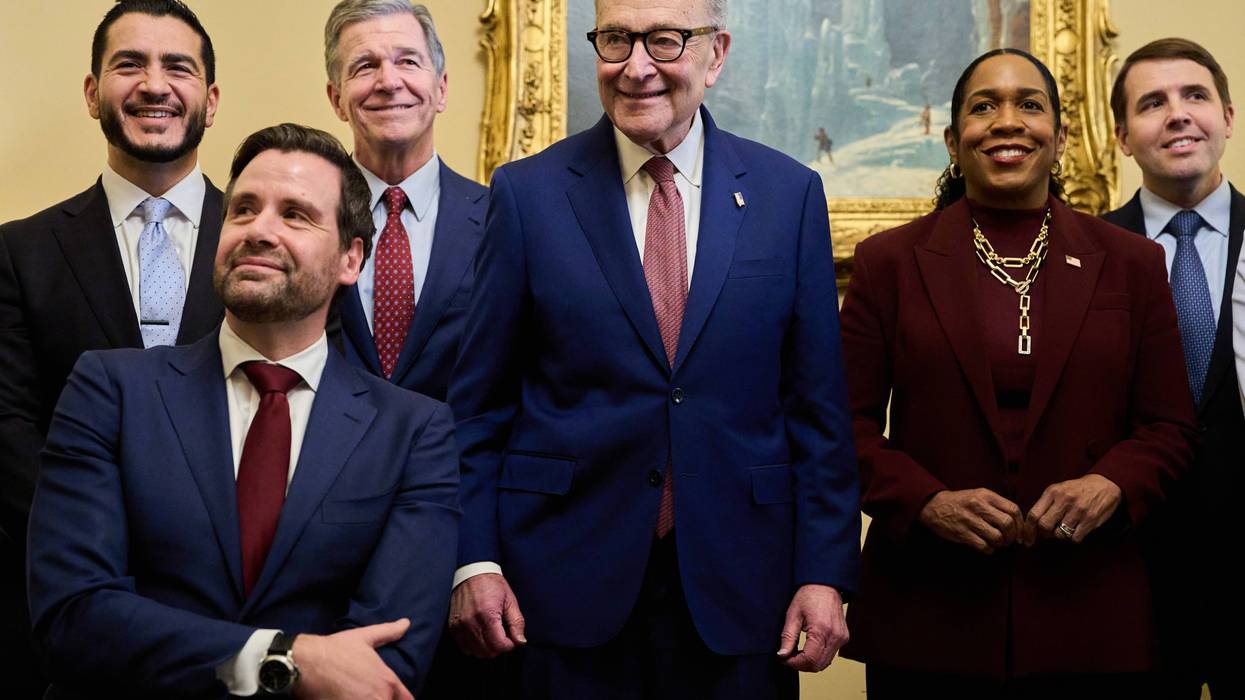
Visiting the Capitol for the first time Monday, Democratic senators who will be sworn in next January were split on how they will vote. Incoming senators vote in party elections, even though they are held before they are seated.
Abdul El-Sayed of Michigan said he will support Van Hollen, whom he endorsed during his campaign. “I think he’d do a great job,” El-Sayed said.
Former Sen. Sherrod Brown of Ohio, who beat Republican Sen. Jon Husted to return to the chamber, said he is supporting Schumer, but declined to elaborate.
Sen.-elect Peggy Flanagan of Michigan said she’s not ready to make any commitments.
“I think it’s a moment where there are a lot of new voices, and making sure those voices are incorporated into the future of the Senate is really important,” she said.