


I know what it feels like to have the worst parts of your life become public.
I know what it feels like to disappoint people, hurt people, lose trust, and then have to face the long, painful process of trying to become someone different. I also know what it feels like when people decide that your worst chapter is the only chapter they are willing to read.
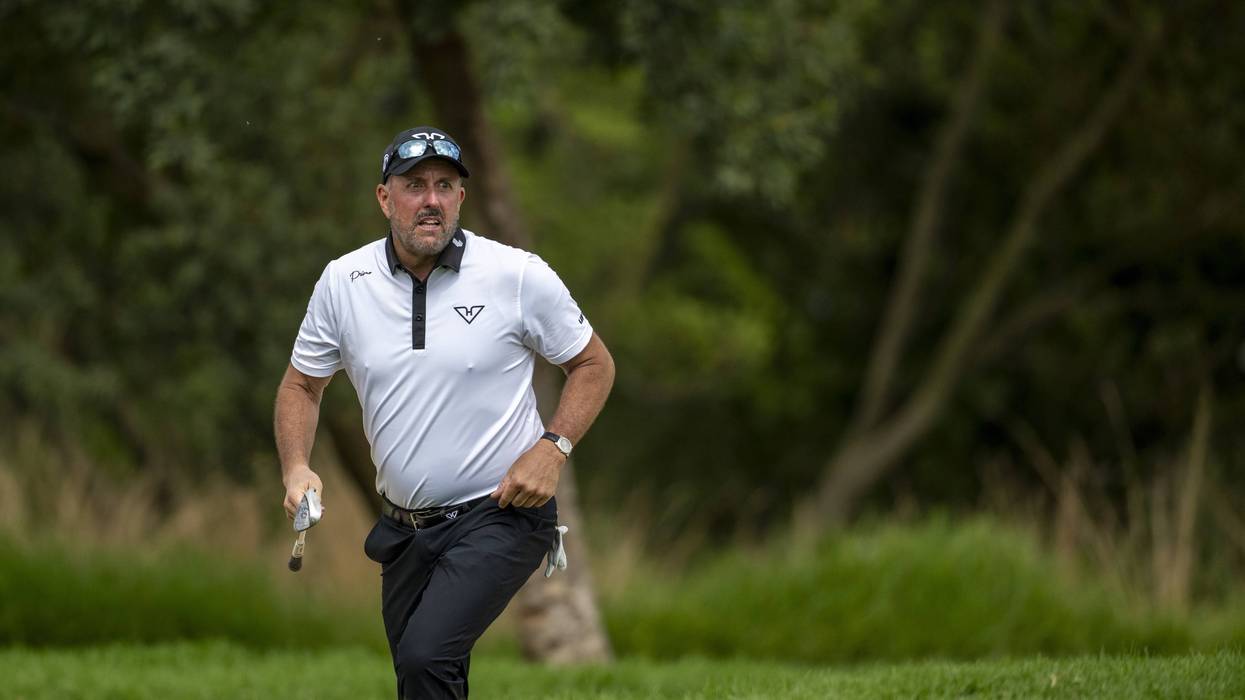
That is why I have been thinking about Phil Mickelson.
I recently read Alan Shipnuck's story about Phil and then listened to him explain it afterward on Jim Rome's show. What stayed with me wasn't simply the allegations. It was the disconnect between what the reporting itself describes and the conclusion Shipnuck ultimately reached.
On Jim Rome's show, Shipnuck said he wanted to have empathy because addiction is serious and Phil had sought treatment. He acknowledged that part of him wanted to be sympathetic. Then he concluded that Phil was "still failing," needed to "get help," and should "surround himself with better people."
That stopped me.
Because the story itself describes Phil apologizing more than once to Pat and Ashley Perez. It describes him no longer belonging to clubs where some of these anonymous sources say some of this conduct occurred.
None of that erases the past. None of it guarantees forgiveness. But if you've spent any time around recovery, those are not meaningless details.
Recovery asks people to make amends where they can. It asks them to leave behind people, places, and patterns that fueled destructive behavior. It asks them to take responsibility, accept consequences, and rebuild trust over years, not days.
Recovery is never measured by perfection. It is measured by whether someone keeps showing up to do the work.
I am not writing this to excuse anything. Addiction does not excuse harm. It does not erase consequences. It does not magically repair broken trust or give someone a shortcut back to respect. Anyone who has lived through addiction, or loved someone who has, knows that recovery does not work that way.
Recovery is an imperfect journey. It is messy. It is imperfect. It is years of private choices, uncomfortable honesty, humility, setbacks, discipline, and the slow work of proving to the people closest to you that your words are finally being matched by your actions.
Accountability means judging someone for what they have done. It does not mean assuming that every mistake from years ago proves who they are today.
That distinction matters because it affects more than one person.
When we take someone who has acknowledged mistakes, sought help, and appears to be doing the difficult work of rebuilding, then package years-old conduct as if it were happening today, we are sending a message to everyone struggling with addiction.
The message is simple: Your past will always be your future.
That is dangerous.
People do not seek help when they believe there is no path back. They do not tell the truth when they believe honesty will only be used against them forever. They do not step into recovery when they are convinced the world would rather watch them fall than allow them to rebuild.
We say we want people to be accountable. We say we want people to admit when they are wrong, seek treatment, repair their families, and live differently. Then, when someone does that, we often refuse to recognize it because punishment is easier to sell than progress.
I have lived the consequences of my own choices. I have also lived the daily work of trying to become better than the person who made them.
That work is hard enough without the world insisting that no amount of it will ever be enough.
Phil's family is not a storyline. His wife is not a prop. Recovery is not a spectator sport.
The real question is not whether Phil Mickelson was perfect. He was not. None of us are.
The question is whether we actually believe in accountability, recovery, and redemption, or whether we only believe in them until they become less satisfying than scandal.
Phil, if you're doing the work, keep doing the work.
The people who matter will judge you by the life you rebuild, not just the life you have lived.
I'm rooting for you and I’m proud of you.