

On Wednesday, September 23 at 6PM, join us for this year's I'm Listening special as we discuss the topic of mental health with numerous artists, athletes, celebrities, and professionals.
The tools these artists use in their profession aren't just vital to creating enjoyable music, they're also accessories to improving your health.
If you've made the decision to learn a new instrument, or dust one off after a few years, you've already taken the first step towards giving yourself health benefits.
1.Improves Performance On Cognitive Tasks
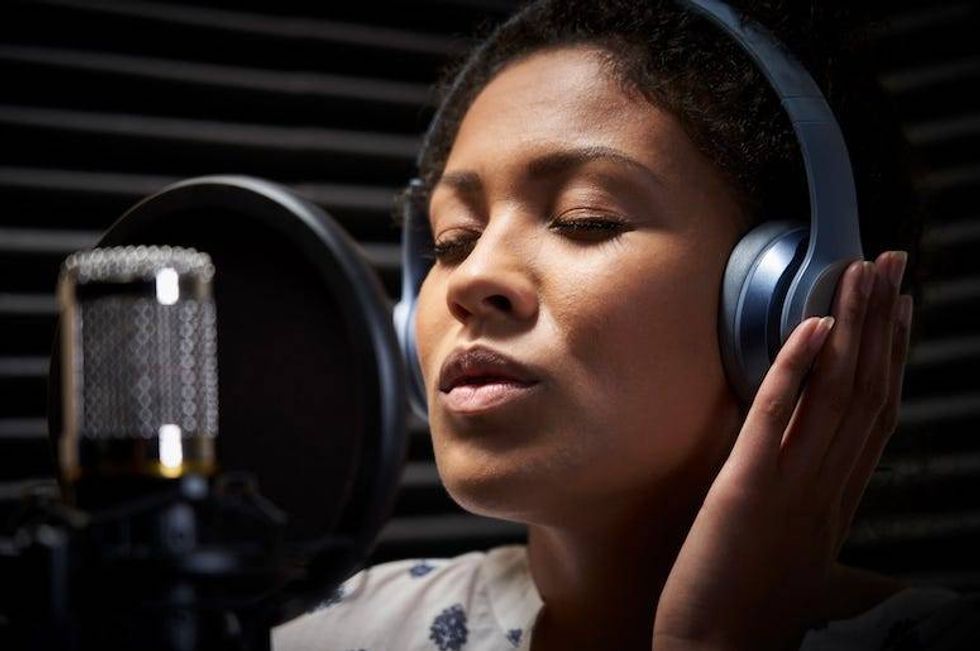
Those with music training often outperform non-musical people on cognitive tasks. In people over the age of 65, after 4 or 5 months of playing an instrument for an hour a week there were positive changes in the brain including the parts that control hearing, memory and the part that controls the hands, among others all become more active. The effects are long-lasting too as adults aged 65-80 performed better on tests of word recall, nonverbal memory, and cognitive flexibility than their non-instrument playing peers.
2.Increases Memory Capacity
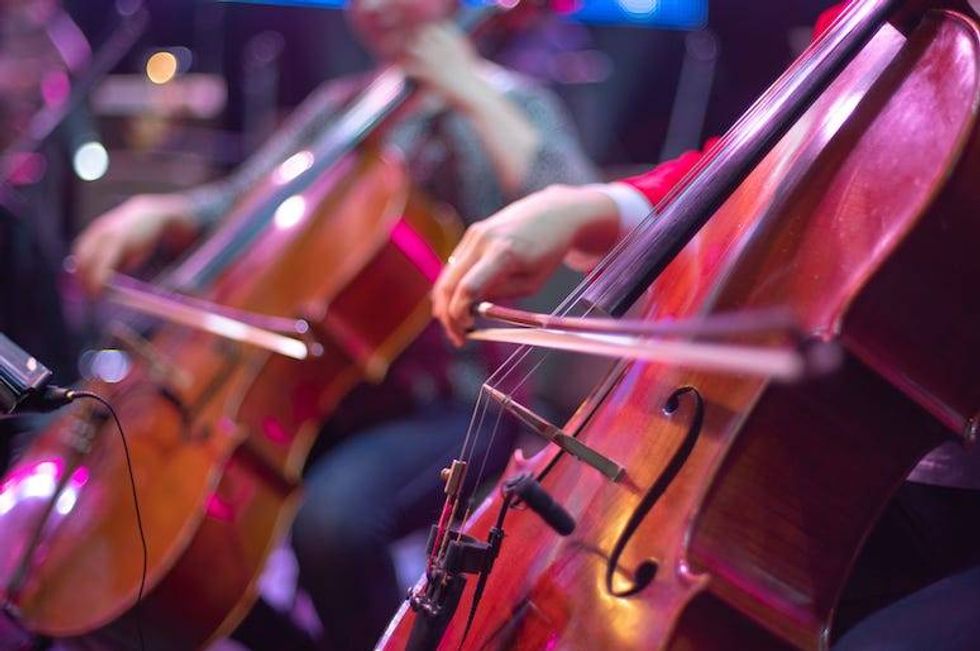
Learning to play an instrument helps the mind be alert and remain active helping to sharpen memory. In turn, this helps with other facets like learning a foreign language and interpreting the emotions of others. As you learn about different tones and scorest, your ability to store audio information increases.
3.Refines Time Management and Organizational Skills
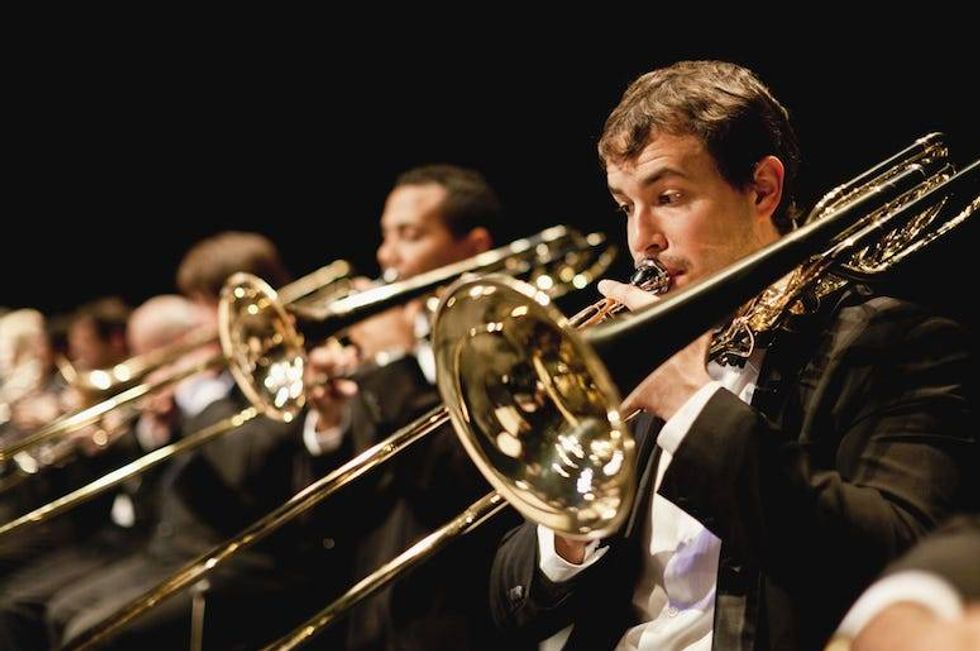
To be successful in learning an instrument isn't a quick process. It requires time, dedication, and a desire to stick through the rough parts. Fortunately, those adhering to this will reap the benefits once they set their instrument down. Staying disciplined will help your time management and organizational skills and allow you to see tangible progress with your instrument.
4.Enhances Your Coordination

By learning how to play an instrument, the parts of your brain that control motor skills grow and become more active. By reading musical notes on a page, your brain must convert that note into specific motor patterns while also controlling breathing and rhythm. Your hand-eye coordination will improve as your limbs mus perform different tasks simultaneously.
5.Betters Your Mathematical Ability
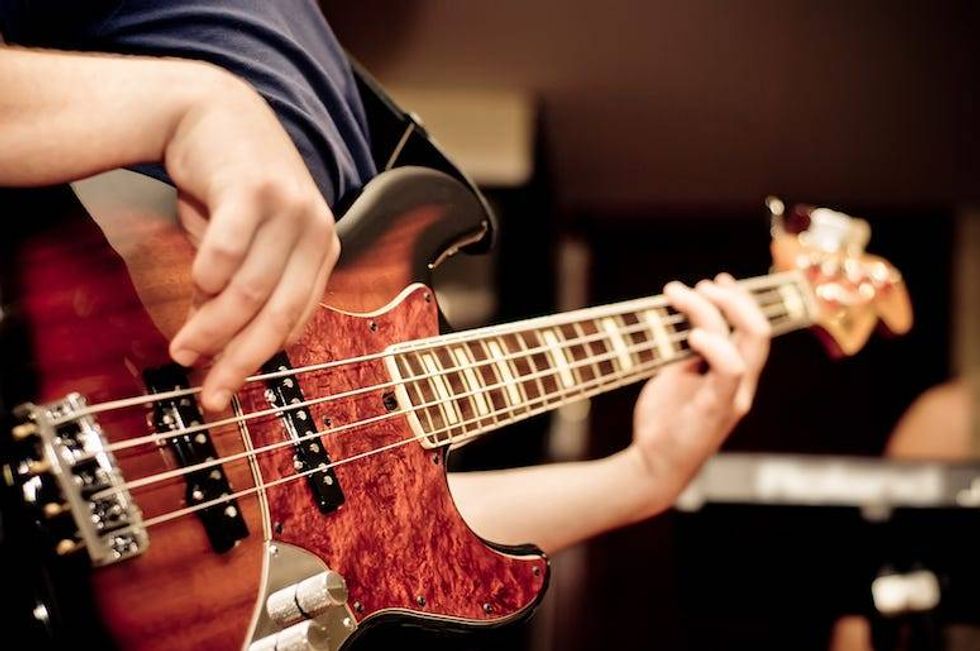
In order to read music you have to count notes and rhythms, which has the effect of improving your math skills. Learning music theory includes many mathematical aspects which will help you understand things like fractions more effectively.
6.Fosters Self-Expression

As you get better with your instrument, you'll begin to be able to play what you want and however you want. As an artform, playing an instrument is the perfect outlet for your emotions. If you're feeling down, play the blues. If you're feeling angry, play some metal. As you learn more styles, you can play your instrument to fit your mood. Afterwards, you'll be feeling a lot better.
7.It's Therapeutic

Playing music acts as a form of therapy, having calming effects on the mind and body. Music has been found to reduce blood-pressure levels while some studies suggest that music therapy helps children and teens with Attention Deficit Disorder, insomnia, and depression. It can also be classified as exercise. 90 minutes of drumming burns as many as 500 calories.
8.Teaches You Discipline, Responsibility And Perseverance

Learning to play an instrument takes time and effort, which helps teach you patience and perseverance. To get a musical phrase or entire song down with as few mistakes as possible takes great focus and repetition. Most musicians have to work on difficult sections of music multiple times before getting it right. Since it's such a challenge, this teaches you discipline and the importance of maintaining a steady practice schedule.
9.Relieves Stress

Music is naturally soothing. The sound combined with the release of creativity and emotion,can significantly lower a musician's stress level. Playing any instrument can help release the endorphins in your body, which also result in reduced levels of stress.
10.It's Just Fun

Even after learning the simplest three chords, you have the ability to write your own song or play many popular songs. Plus, you get the added benefit of being able to play music with friends, which is a fun activity all on its own. You don't have to be Beethoven or Mozart here, you just have to have a desire to learn.
Join us on Wednesday, September 23 for I'm Listening - an evening filled with support, compassion, and community - right here and on the RADIO.COM app.
LISTEN NOW on the RADIO.COM App
Follow RADIO.COM
Facebook | Twitter | Instagram