

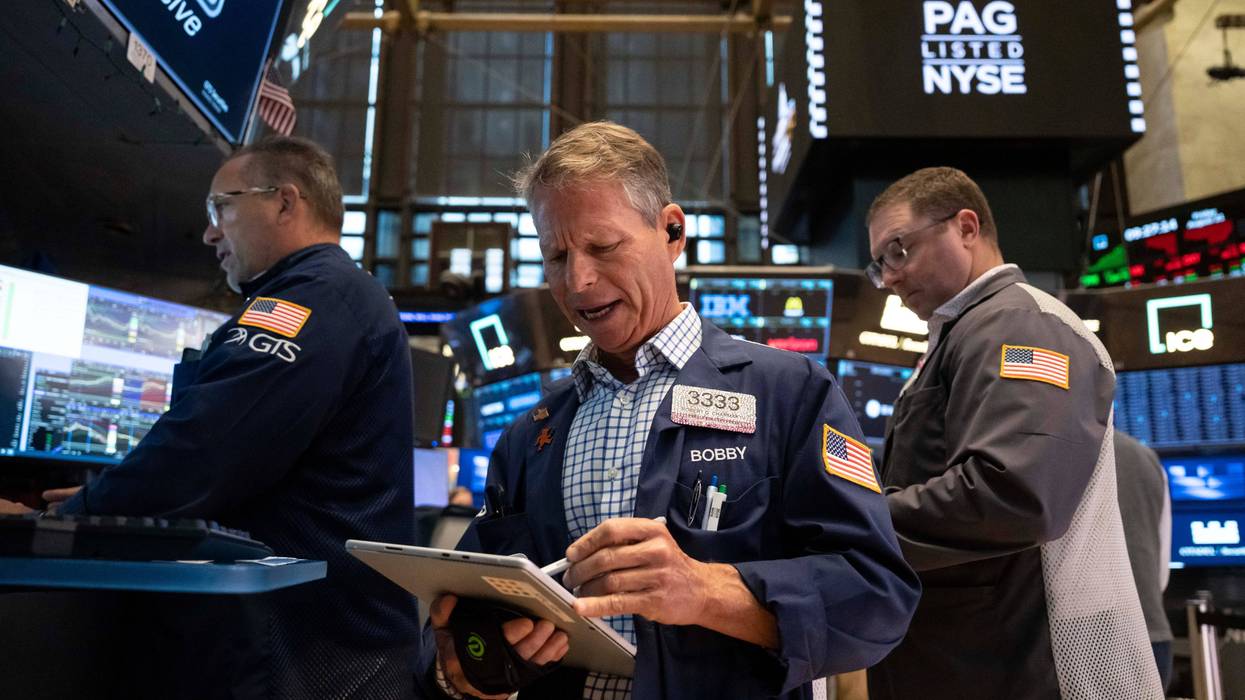

Wall Street was poised to open with gains early Tuesday and oil prices fell as the U.S. announced new sanctions against Iran, while trade talks between American and Canadian officials hit a wall.
Futures for the S&P 500 and the Dow Jones Industrial Average each rose 0.4%, while Nasdaq futures jumped 0.8%. The gains come after mixed trading a day earlier when chip and memory companies stocks retreated again.
Chip giant Nvidia, one of the biggest beneficiaries of the AI boom, will deliver its quarterly earnings report on Wednesday, potentially dictating the next big move for AI-related stocks. Its shares were up less than 1% in premarket trading Tuesday as it tries to break a 7-session losing streak.
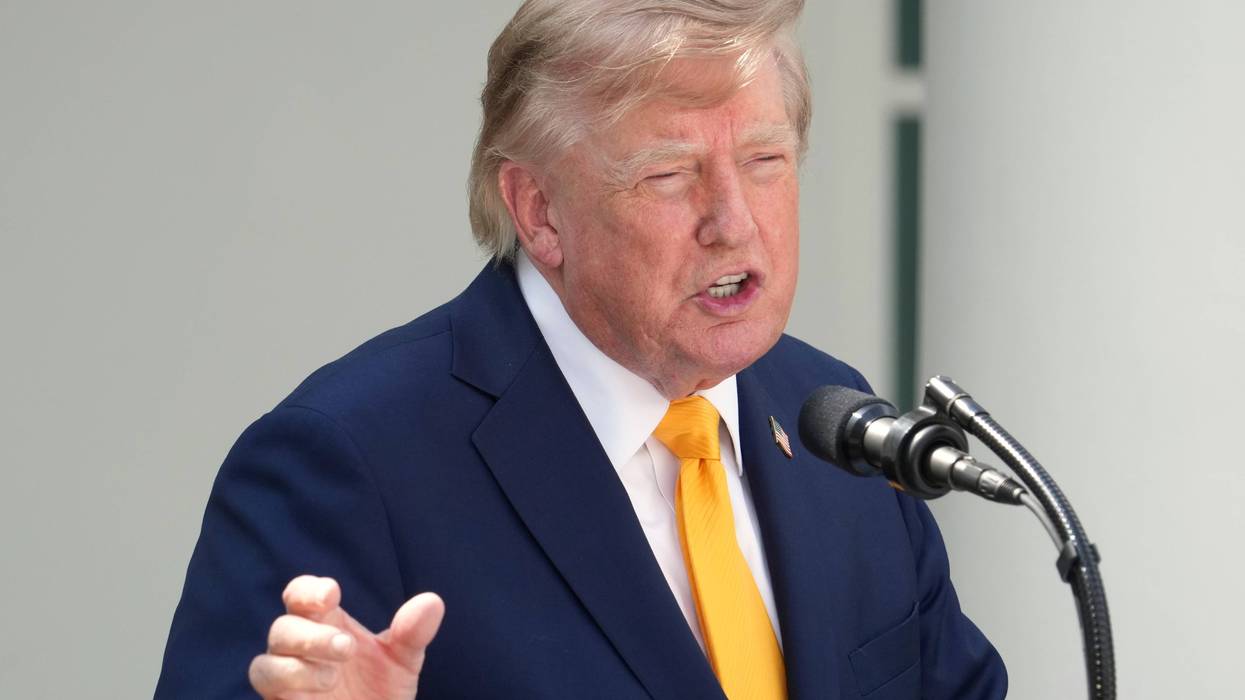
Canada said it will announce retaliatory tariffs against the U.S. on Tuesday after relations deteriorated sharply this week, with President Donald Trump telling Canadian leaders to “fall in line” on Monday, and on Tuesday saying that he is considering changing the name of Lake Ontario to “Lake America.”
Prime Minister Mark Carney accused Washington of trying to subordinate its northern neighbor and long-time ally and said Canada may need to move away from matching U.S. tariffs dollar-for-dollar and instead use more targeted retaliation aimed at protecting Canadian workers and businesses.
Trump also threatened new 50% tariffs on Canadian vehicles, auto parts and steel, while Carney said U.S. trade demands showed Washington wanted to “destroy our major industries."
Oil prices retreated close to 3% after U.S. Treasury Secretary Scott Bessent announced fresh sanctions against Iran and warned that countries that continue to do business with the Islamic Republic would face retaliation.
Elevated oil prices are a major driver of higher costs and Brent crude, the international standard, has been trading above the $72 per barrel level it was at before the war with Iran began in late February.
Early Tuesday, Brent crude fell $2.35 to $88.19 per barrel. U.S. benchmark crude oil shed $2.65, about 3%, to $82.36 per barrel.
Last month, Brent zigzagged between $72 and $102 as hopes rose and fell that the United States and Iran could reach a deal that would allow oil tankers to freely exit the Persian Gulf again. The new U.S. sanctions announced Monday helped drag the value of Iran's currency, the rial, to a record low against the U.S. dollar.
The Federal Reserve’s new chairman, Kevin Warsh, is set to deliver a speech Friday at an annual economic symposium in Jackson Hole, Wyoming, the backdrop for past policy announcements.
Later Tuesday morning the Conference Board releases its consumer confidence report for August.
At midday in Europe, Germany’s DAX gained 0.8%, the CAC 40 in Paris added 0.4% and Britain’s FTSE 100 edged up 0.2%.
In Asian trading, Tokyo’s Nikkei 225 gained 0.5% to 65,856.43. Shares in technology investor SoftBank Group climbed 2.3%.
The Kospi in South Korea reversed early losses, gaining 0.7% to 6,742.74 as traders resumed buying tech shares, snapping up bargains.
Hong Kong’s Hang Seng was nearly unchanged at 25,511.10, while the Shanghai Composite index picked up 0.2% to 3,889.44.
In Australia, the S&P/ASX 200 gained 0.7% to 9,164.60.
Taiwan’s Taiex jumped 0.9%, while the Sensex in India lost 0.2%.
Bitcoin rose modestly, holding around $79,364, 24% higher than it was just one week ago.