


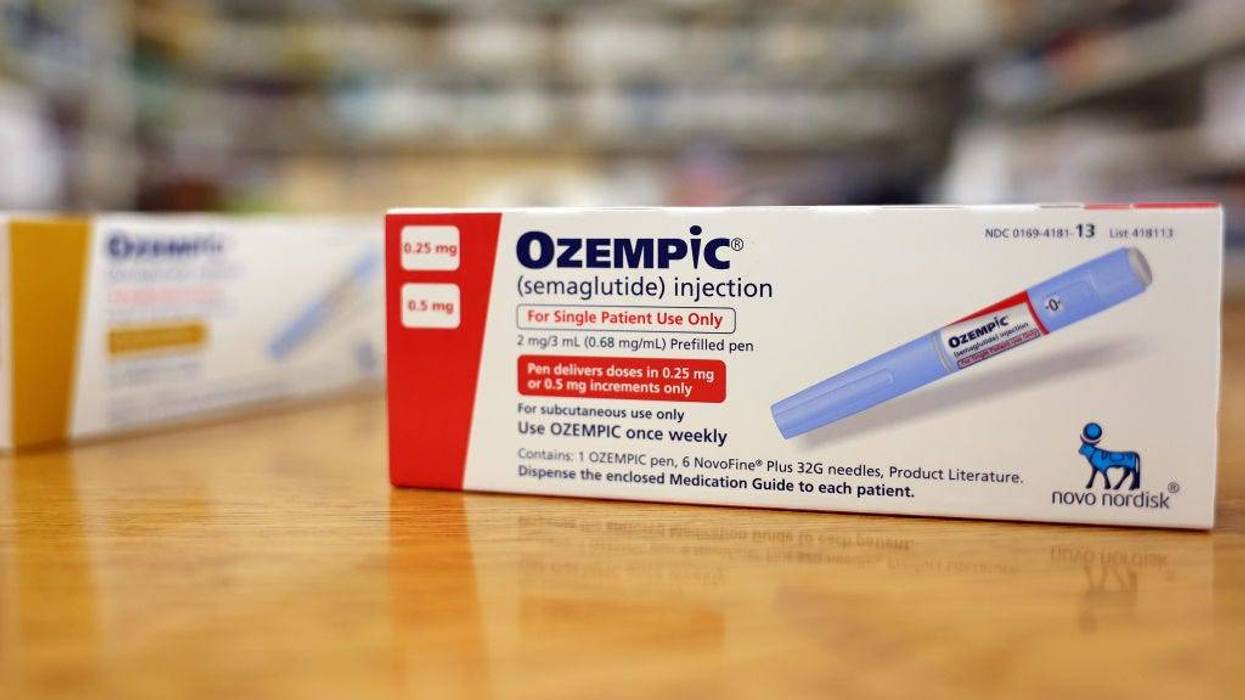

Health experts are sounding the alarm about a potentially harmful weight loss trend that is gaining popularity on social media amid continued demand for drugs like Ozempic and Wegovy, which people use to quickly shed pounds.
Without insurance coverage, the cost of these drugs can run more than $1,000 a month, according to ABC News. Whether the cost is out of reach or they're unable to obtain a prescription, more and more people -- especially young adults and teens -- are looking for an alternative solution to slim down.
One such DIY trend gaining steam on TikTok claims to offer similar effects: so-called "budget Ozempic," which is actually just over-the-counter laxatives.
Using hashtags like #guttok, which has more than 1.2 billion views, influencers are encouraging their followers use laxatives and stool softeners to lose weight, "detox" their bodies and reduce bloating.
"They could be promoting use of laxatives for weight control, they could be talking about their regretful past of their use of laxatives for weight control. But either way, that's getting into the hands of people -- particularly young people -- as like, 'Oh, this is an option. This is something I could potentially use,'" Kendrin Sonneville, associate professor of nutritional sciences at the University of Michigan School of Public Health, told NBC News.
The trend is so popular that is has contributed to a nationwide laxative shortage, NBC reported.
Despite being called "budget Ozempic," laxatives don't actually contribute to weight loss and can lead to harmful side effects if abused.
According to the National Eating Disorder Association (NEDA), laxatives are often misused because an individual "mistakenly believes that the laxatives will work to rush out food and calories before they can be absorbed -- but that doesn't happen."
"If you think about using laxatives to lose weight, the only thing you're doing is purging water and stool, which are not part of your body mass," Dr. William Chey, chief of the gastroenterology division at the University of Michigan Medical Center, told NBC.
Any weight loss after using laxatives is from the loss of "water weight" -- water, minerals, electrolytes, indigestible fiber and waste from the colon -- and not fat loss. This "water weight" returns as soon as the individual drinks any fluids and the body re-hydrates.
"While they may result in temporary weight reduction due to water loss, they are not an effective or safe solution for achieving long-term weight management goals," nutritionist Tony Cottenden told Healthline.
Laxative misuse can result in a variety of health complications including bloating, nausea, vomiting, diarrhea, dehydration and organ damage, and can sometimes cause life-threatening conditions, according to NEDA. Research has also linked laxative misuse to eating disorders, low self-esteem, depression and substance abuse in teens, CNN reported.
Instead of turning to social media for a quick fix, experts say those looking to lose weight should eat a healthy, balanced diet and get regular exercise.