


CAIRO (AP) — The United States is close to reaching a deal with Iran that would end the war, reopen the Strait of Hormuz and see Iran give up its stockpile of highly enriched uranium, regional officials told The Associated Press on Sunday, though U.S. President Donald Trump said he told representatives “not to rush into a deal.”
Trump said negotiations were “proceeding in an orderly and constructive manner,” and the relationship with Iran was becoming “much more professional and productive.” He pushed back against criticism by some fellow Republicans seeking a tougher approach.
The agreement would not be signed Sunday, according to a person familiar with the status of negotiations who spoke on condition of anonymity because they were not authorized to comment publicly. The sides have previously seemed close to a deal in recent weeks, only to falter.
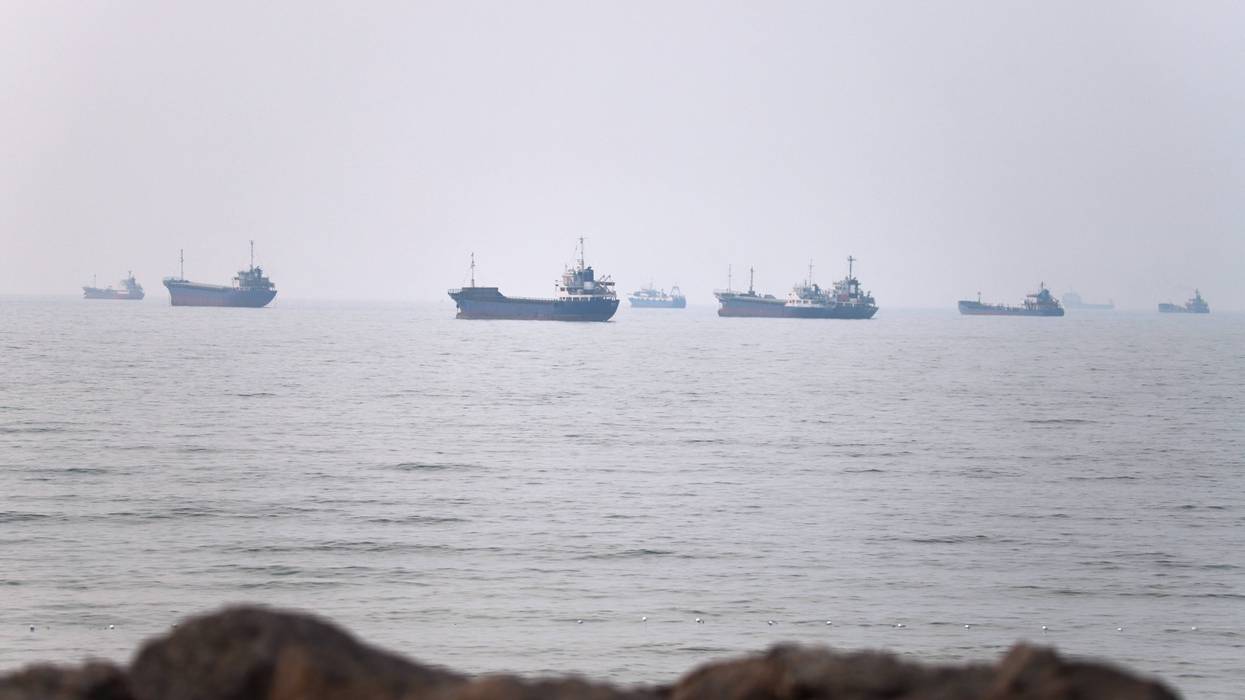
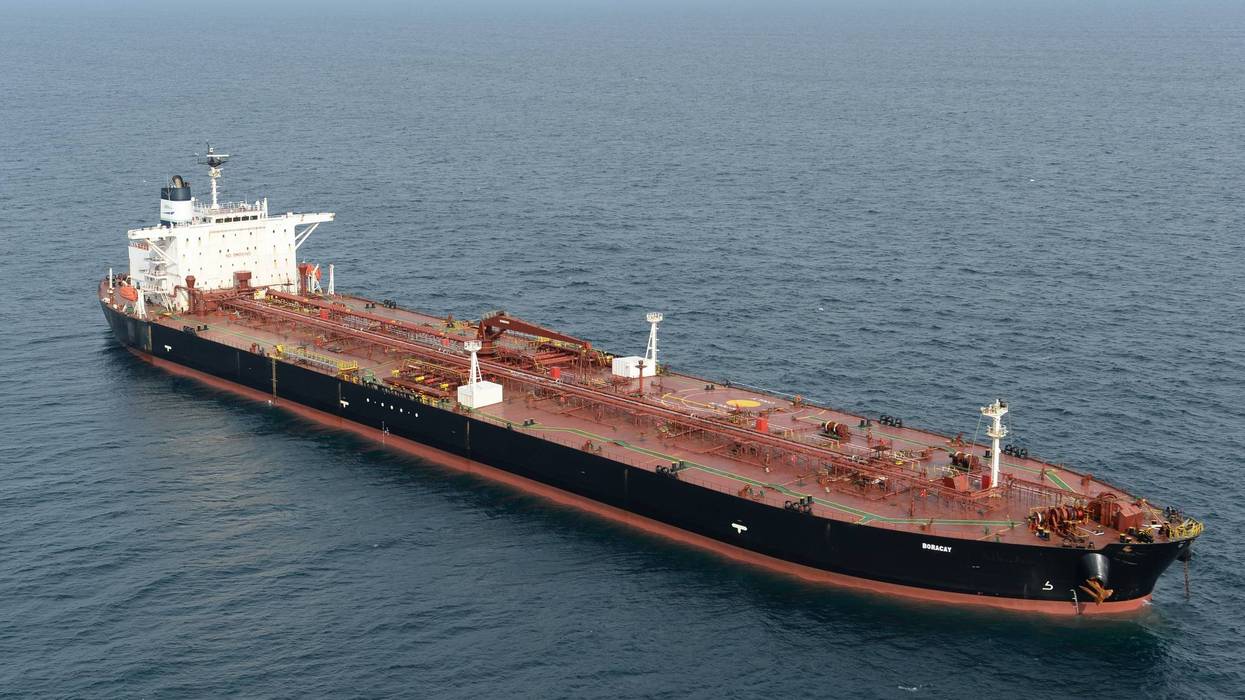
The strait's reopening would ease a worldwide energy crisis sparked by the U.S. and Israeli bombardment of Iran on Feb. 28, which led Tehran to effectively close the waterway. Prices have spiked for oil, gas and related products. Experts say it would take several weeks or even months for shipping and prices to recover once the strait reopens.
The U.S. has blockaded Iranian ports for over a month, and Trump said it “will remain in full force and effect until an agreement is reached, certified, and signed.”
The emerging deal would include Iran giving up uranium
Under the potential deal, Tehran would agree to give up its stockpile of highly enriched uranium, according to the two regional officials, who spoke on condition of anonymity to discuss the sensitive negotiations.
One official, with direct knowledge of the negotiations, said how Iran would give up the uranium would be subject to further talks during a 60-day period. Some would likely be diluted, while the rest would be transferred to a third country, the official said. Russia has offered to take it.
A U.S. official confirmed the 60-day period and said if Iran doesn't give up its stockpile there will be no sanctions relief. The official spoke on condition of anonymity about the emerging deal because it has not been made public.
Iran has 440.9 kilograms (972 pounds) of uranium that is enriched up to 60% purity, a short, technical step from weapons-grade levels of 90%, according to the International Atomic Energy Agency.
Iran has not publicly committed to giving up its uranium, a key Trump demand. President Masoud Pezeshkian told state TV they were ready “to assure the world that we are not after a nuclear weapon.”
Iran has always insisted its program is peaceful while enriching uranium to near weapons-grade levels, and asserts its right to nuclear technology.
Secretary of State Marco Rubio, on a visit to India, said that “significant progress, although not final progress, has been made” in negotiations, and the world would no longer need to fear Iran getting a nuclear weapon.
Rubio told India Today that the “first stage” ahead would be the full reopening of the strait. “The second is that Iran needs to enter into serious negotiations on three topics: their pledge never to have nuclear weapons, restrictions long-term on their enrichment capabilities, and what do you do with the highly enriched uranium?”
Trump has sought greater concessions from Iran than those required under a 2015 Obama-era agreement that the U.S. later withdrew from under Trump.
On Saturday, Iranian Foreign Ministry spokesman Esmail Baghaei told the state-run news agency there are “narrowing differences” between the Iranian and U.S. positions, but Iran is cautious after being attacked twice in the past year during nuclear negotiations.
The strait would reopen and Iran would be able to sell oil
Under the emerging agreement, the Strait of Hormuz would gradually reopen in parallel with the U.S. ending its blockade, the two regional officials and the U.S. official said. The U.S. official said the strait would be demined, though a U.S. official on Friday said the military has not found any mines there.
The U.S. would allow Iran to sell its oil through sanctions waivers, said the second official, who has been briefed on the negotiations. Sanctions relief and the release of Iran’s frozen funds would be negotiated during the 60-day period, the official said.
Both officials said the draft deal includes an end to the war between Israel and the Iran-backed Hezbollah militant group in Lebanon that began two days after the Iran war started.
Twelve weeks have passed since the U.S. and Israel attacked Iran, killing its supreme leader and other top officials. A ceasefire has held since April 7, though the sides have exchanged fire on occasion.
Israel remains concerned over Hezbollah
Prime Minister Benjamin Netanyahu in a social media post said he and Trump agreed that "any final agreement with Iran must eliminate the nuclear danger,” and that Trump had reaffirmed Israel's right to defend itself “on every front, including Lebanon.”
The U.S. official said the deal would guarantee Israel’s right to act against imminent threats in self-defense.
Israeli officials are concerned that Hezbollah remains a serious threat to Israel and that Lebanon is ill-equipped to disarm it.
A fragile, U.S.-brokered ceasefire took effect in Lebanon on April 17, but fighting has continued, mainly in the south. Hezbollah has launched daily drone and rocket attacks on Israeli forces and northern Israel, and Israel has struck targets across Lebanon while its troops remain in large swaths of the south.
More than 3,000 people have been killed in the latest fighting, according to the Lebanese Health Ministry. Additionally, 22 Israeli soldiers and a defense contractor have been killed in or near southern Lebanon, and two civilians have been killed in northern Israel, according to Netanyahu’s office.
___
Superville reported from Washington and Lidman from Tel Aviv, Israel. Associated Press writers Aamer Madhani in Washington, Sheikh Saaliq in New Delhi and Munir Ahmed in Islamabad contributed to this report.