



WASHINGTON (AP) — A former Southern Poverty Law Center official has been charged in the Department of Justice’s broader criminal case against the Alabama-based civil rights group, a frequent target of conservative critics who claim the nonprofit is politically biased.
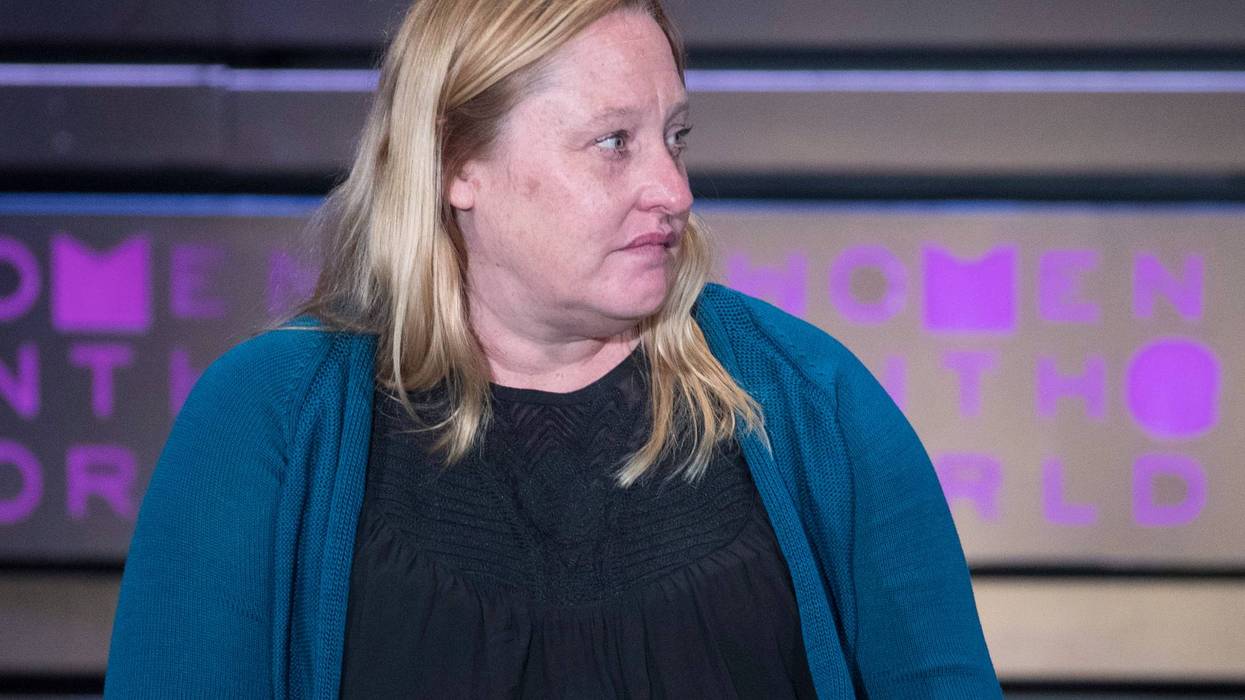
Heidi Beirich, a political extremism expert who left the law center about six years ago, was named in an indictment unsealed Wednesday. She was expected to make her initial court appearance in Riverside, California, later in the day.
Beirich, 59, of Palm Springs, California, is charged with wire fraud conspiracy, conspiracy to submit false statements to a federally insured bank and conspiracy to commit concealment money laundering. She was charged in the government’s existing case against the SPLC in Montgomery, Alabama.
Beirich’s lawyer, Michael Proctor, said his client is innocent of the charges and described the case as politically motivated. He accused prosecutors of trying to punish his client for her “decades-long record of success dismantling hate groups.”
“A free and fair society does not use the justice system to silence its political opponents,” Proctor said in a statement.
Attorney General Todd Blanche announced the new charges at a news briefing in Washington, but did not name Beirich. CNN was first to report on the charges against Beirich.
“This is exactly what we said would happen in a case like this,” Blanche said. “Our investigators and the U.S. Attorneys and the agents working the case will keep on working it even after the initial indictment.”
An SPLC spokesperson said the case against it and Beirich “will not shake our resolve.”
“Taking on violent hate and extremist groups is among the most dangerous work there is, and we believe it is also among the most important work we do," the spokesperson said in a statement. "We are confident in our position and look forward to presenting the evidence and making our case in court.”
Beirich led the SPLC’s Intelligence Project, which incurred the anger of conservatives with its annual report on organizations that it classified as hate groups. Critics accused the law center of unfairly tarnishing right-wing groups with the same label that it applied to white supremacists.
Beirich co-founded the Global Project Against Hate and Extremism in 2020 after leaving the SPLC. She has testified before Congress about far-right extremism and is frequently interviewed about the subject by news outlets. Her current organization did not immediately respond to emails seeking comment Wednesday.
A superseding indictment filed in June appears to refer to Beirich as “Employee-2” and by her former title as director of the SPLC’s Intelligence Project.
The indictment alleges that between 2007 and 2023, more than $4 million in donated funds were secretly funneled to people who infiltrated or were associated with violent extremist groups. Prosecutors said some of the money was used for recruiting new members and purchasing Ku Klux Klan robes and materials for cross-burning ceremonies.
The indictment says “Employee-2” oversaw the payment of donor money to SPLC informants or “field sources," including KKK members and white nationalists who initially approached the SPLC for help leaving the extremist organizations. The SPLC employee was in a romantic relationship with a source who infiltrated a neo-Nazi group at the direction of the law center, the indictment alleges
Proctor said Beirich “won’t be silenced or intimidated by the government’s false and politicized allegations.”
____
Chandler reported from Montgomery, Ala. Associated Press writers Eric Tucker, Alanna Durkin Richer and Collin Binkley in Washington and Christopher Weber in Los Angeles contributed to this report.