


Connecting Vets enjoys telling stories about the remains of service members being returned home to their families after being declared MIA— but have you ever stopped to wonder about how those remains are found and make their way back to the United States?
The Defense POW/MIA Accounting Agency accounted for 203 lost service members during fiscal year 2018 from the Vietnam War, the Korean War, and World War II. DPAA personnel perform labor-intensive work across the globe to do so.
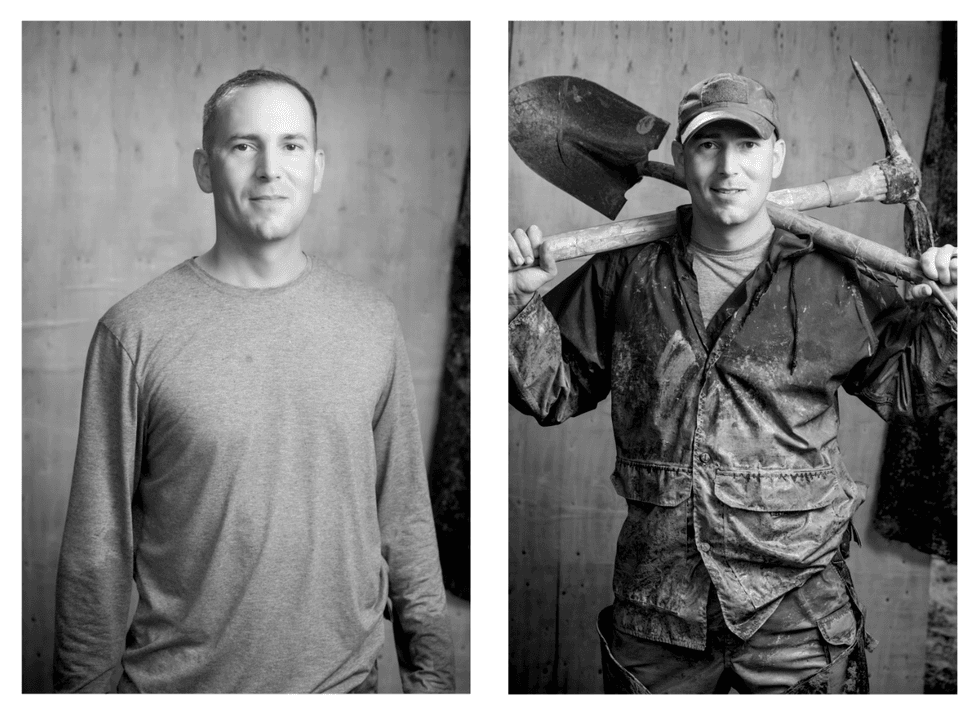
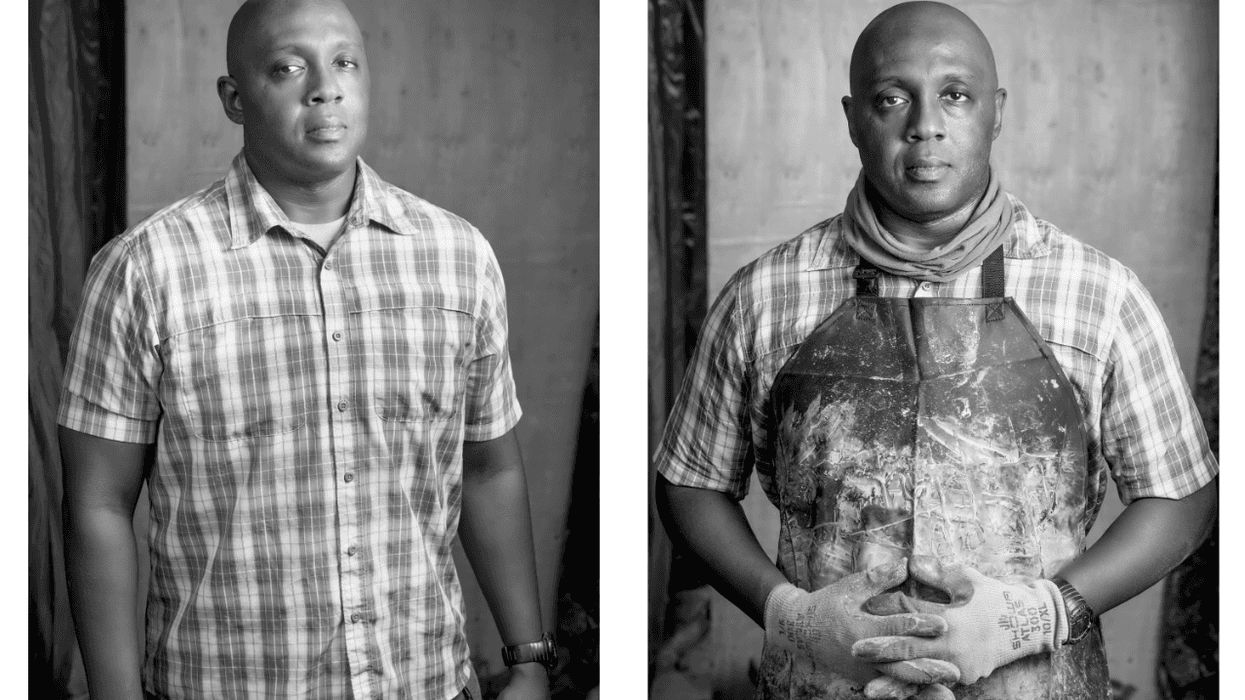
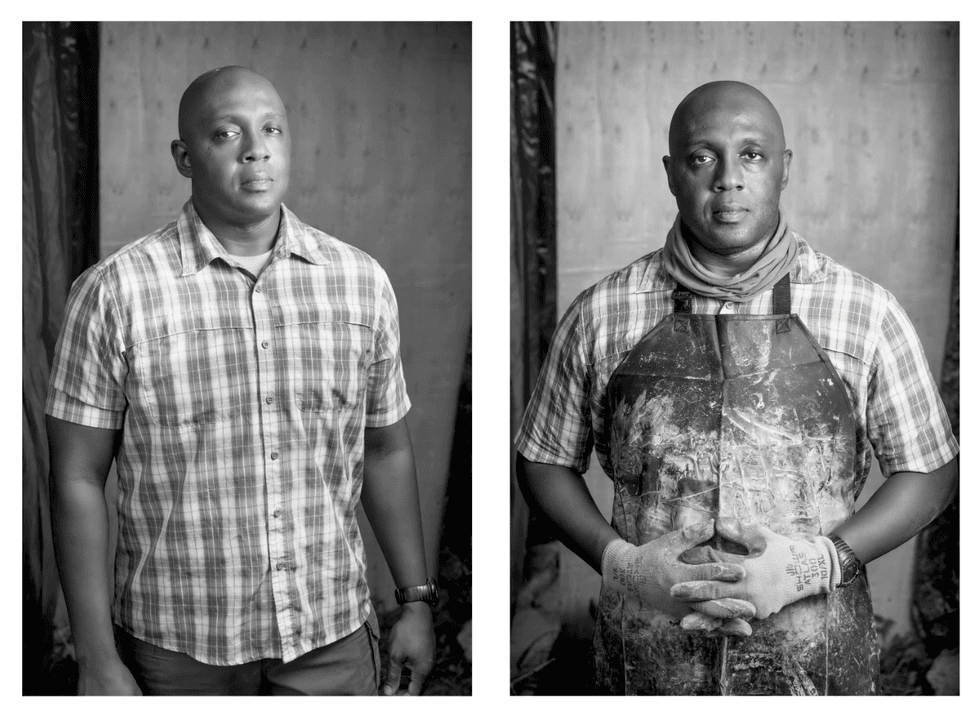
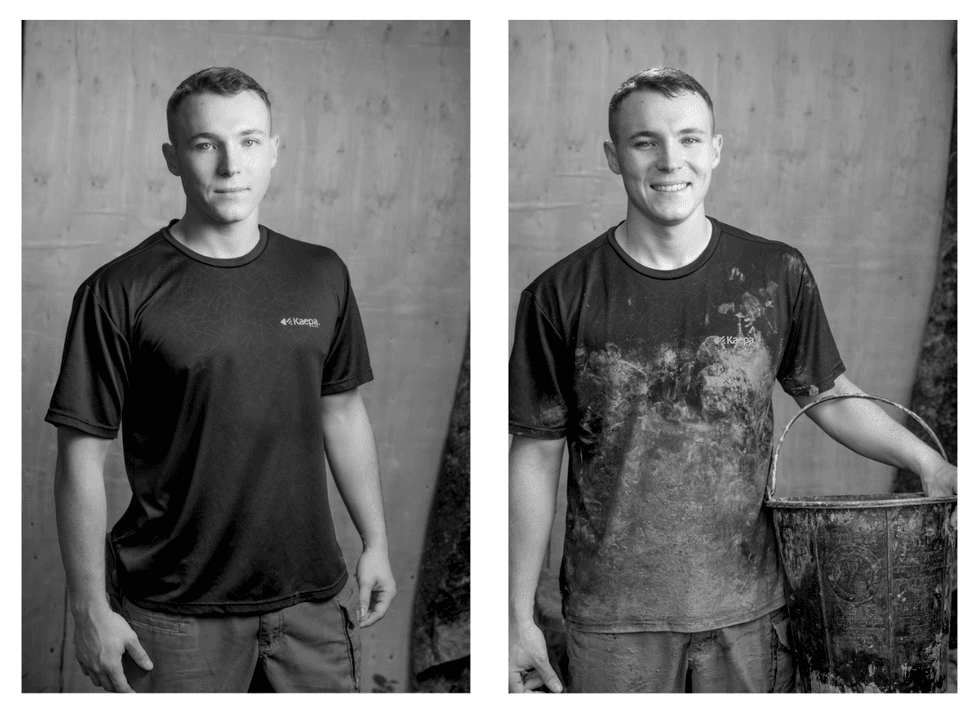
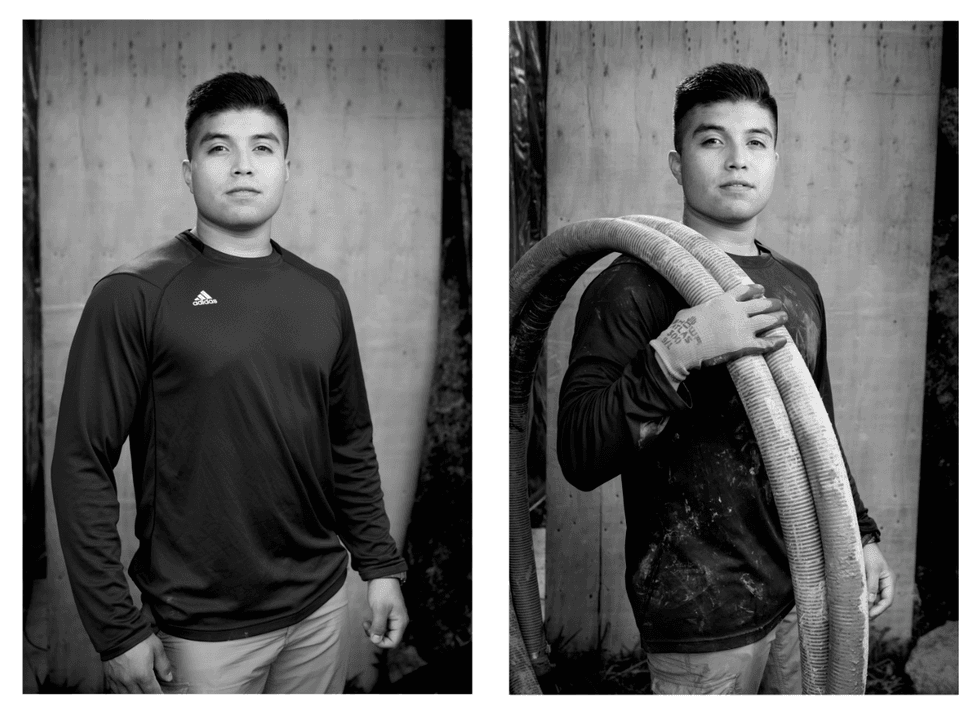
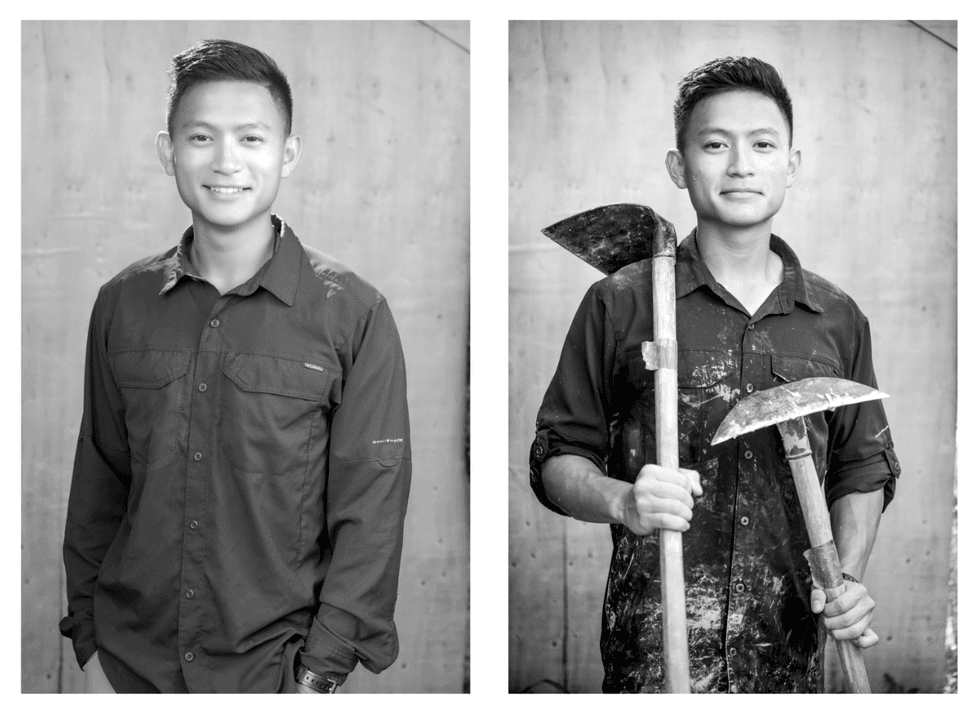
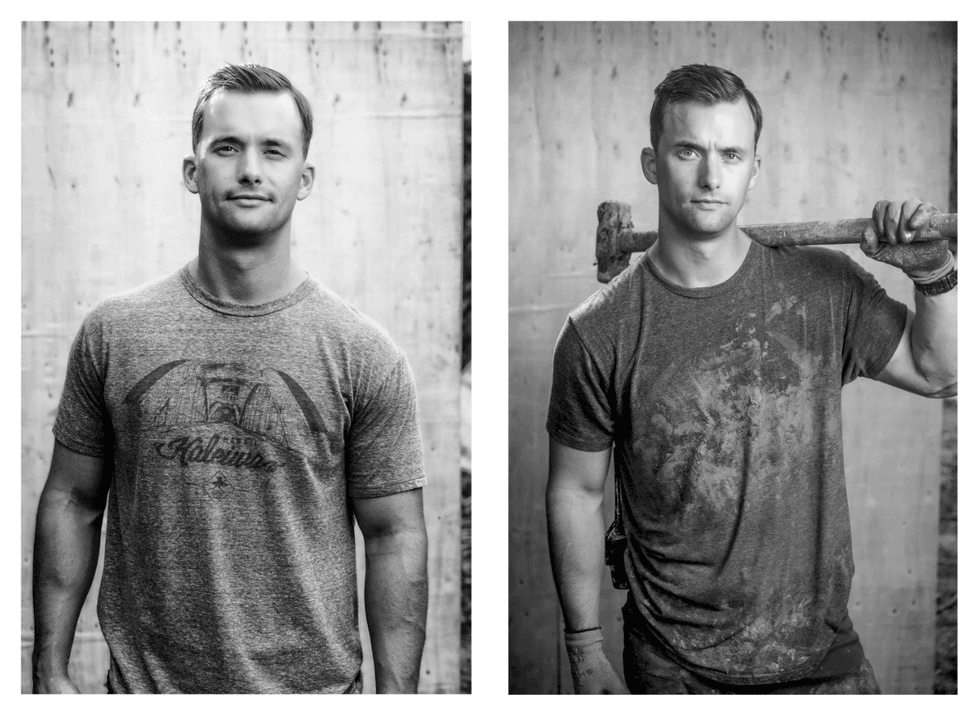
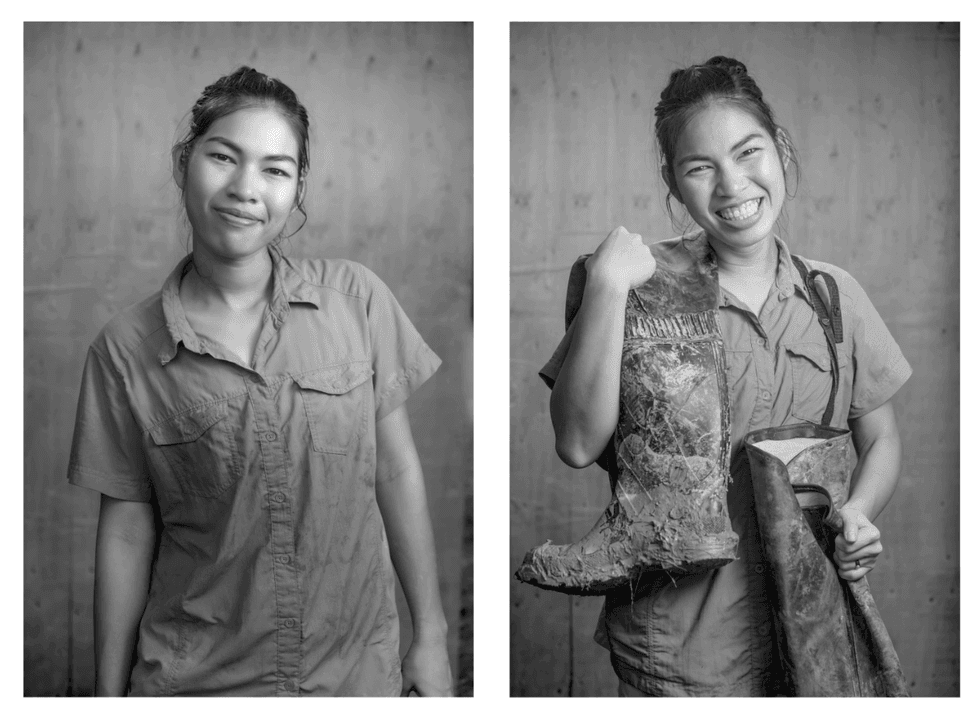
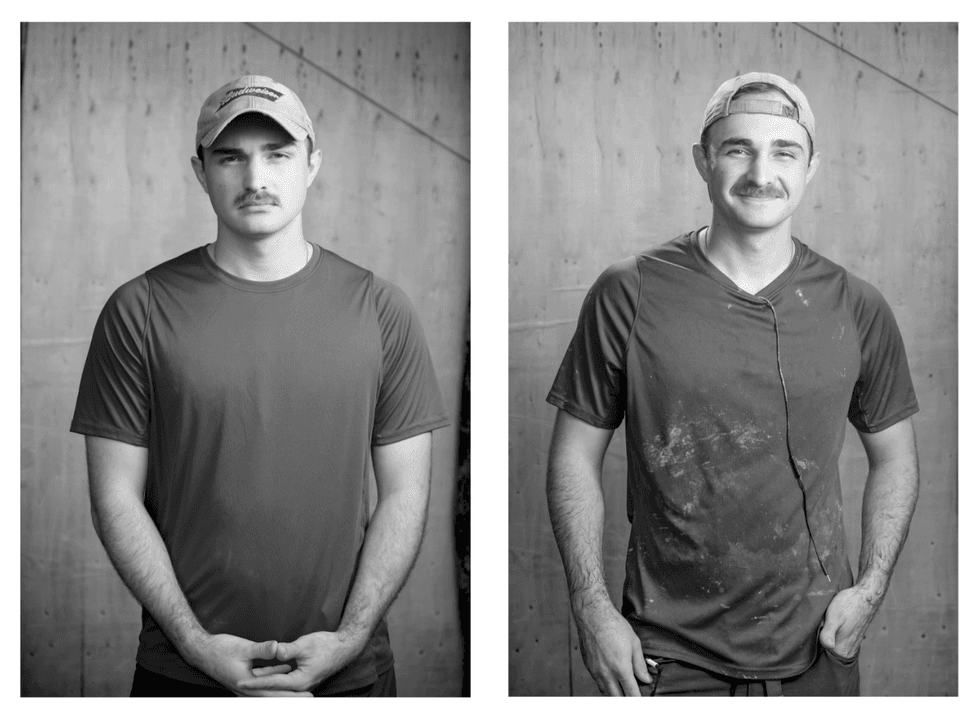
Staff Sgt. Michael O'Neal, Army combat documentation and production specialist for DPAA, created a photo series that captured DPAA personnel before and after a day of work on site. Connecting Vets talked to him about the photo series, DPAA, and the work that goes into bringing these men and women home.
CV: Where did you get the idea to make this photo series?
MO: About ten years ago I had a photography mentor, and he did a side project of a marathon. He did a "Before and After," and it always impacted me how fresh and how much energy they had in that first photo. And then, side by side, after the marathon they were just drained and sweaty and it was really impactful. So when I went on my first mission with DPAA I thought about what I could do that other people haven't done and the before and after project came to mind.
CV: What did it take to get that project going?
MO: I didn't know if it was going to get off the ground, but the captain and recovery NCO were behind me and we made it happen. We got a tarp on the side of our station to block the sun, and bamboo to tie it down so it didn't blow away, and I brought my light stand and my little portable softbox and then I had another ticker from behind. We put up plywood — it was the plywood that we were using to dam our dig site so we told them, by all means, take it down if you need it. But it all worked out.
CV: How did you get involved with DPAA?
MO: I'm a combat documentation and production specialist, and I remember always hearing about this mission. For the last eight years, I've always had it in my mind that I would love to do this mission. The opportunity came up, and it was kind of like take it now or someone else will. It fell in line, and my perseverance to do this mission — it went through.
CV: Who makes up these DPAA recovery teams?
MO: We work with the local population and the host nation. We also have organics or people who are stationed at DPAA sites. We go out all the time, but we need assistance so we reach out to units worldwide, joint units, and we get augmentees. These augmentees come from all walks of life — Navy, Marine, soldiers, Air Force. It's almost like a band of brothers throughout the forces. Everybody has their own personalities, their own experience, and we all come together for the one mission — to hopefully bring the unaccounted home.
CV: What did you learn about these people through photographing them for this series?
MO: The whole trip was 45 days. We were out there for 3.5 weeks on the site. You really get to know these people in that short period of time and their personalities. They're all different but it's almost like a little family unit. We're in a foreign place, and we're getting to know each other and we still are working our butts off to complete the mission.
CV: What does the day-to-day work look like?
MO: Every mission is different. You have different team members, different augmentees, different organics, and even different civilians and different sites. Different populations, different places. So everything is different. On a recovery team it's a lot of — people joke it's like Groundhog Day — once you start getting it up and running because you're doing the same thing. You're digging, moving dirt, coming up with any obstacles like rain or mudslide or anything.
CV: What happens at the end of the mission?
MO: We found possible osseous on this site — bone fragment — and a lot of aircraft wreckage. We brought that back, had a repat ceremony before we left the country, and brought it back. Now it's up to the people here at the agency to do what they do.
Meet some of the people who bring soldiers' remains home 1
Meet some of the people who bring soldiers' remains home 2
Meet some of the people who bring soldiers' remains home 3
Meet some of the people who bring soldiers' remains home 4
Meet some of the people who bring soldiers' remains home 5
Meet some of the people who bring soldiers' remains home 6
Meet some of the people who bring soldiers' remains home 7
Meet some of the people who bring soldiers' remains home 8
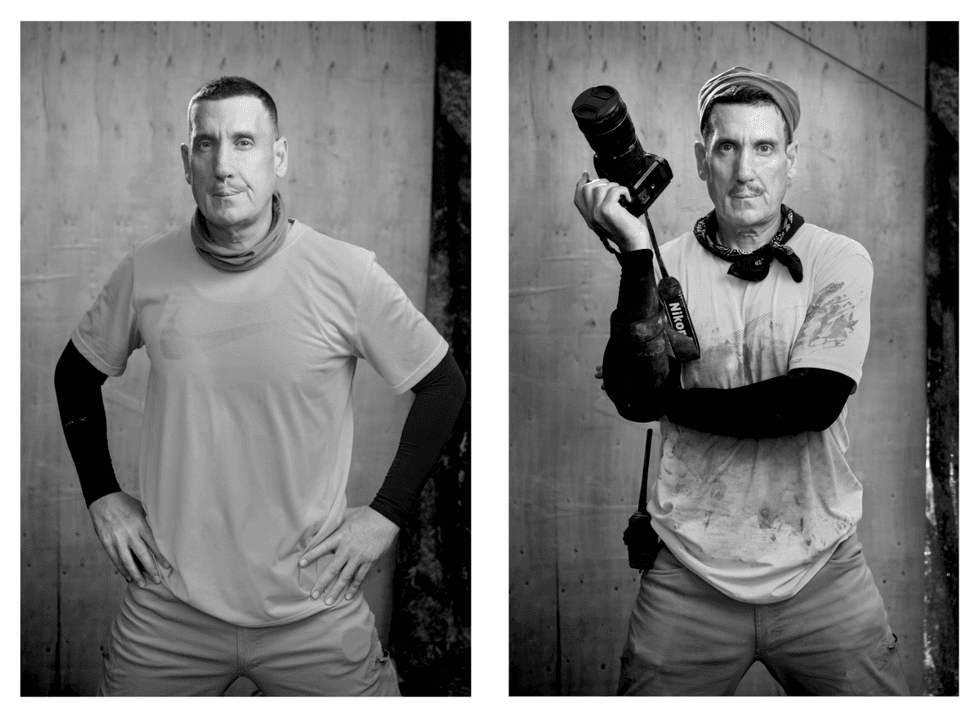
Meet some of the people who bring soldiers' remains home 9
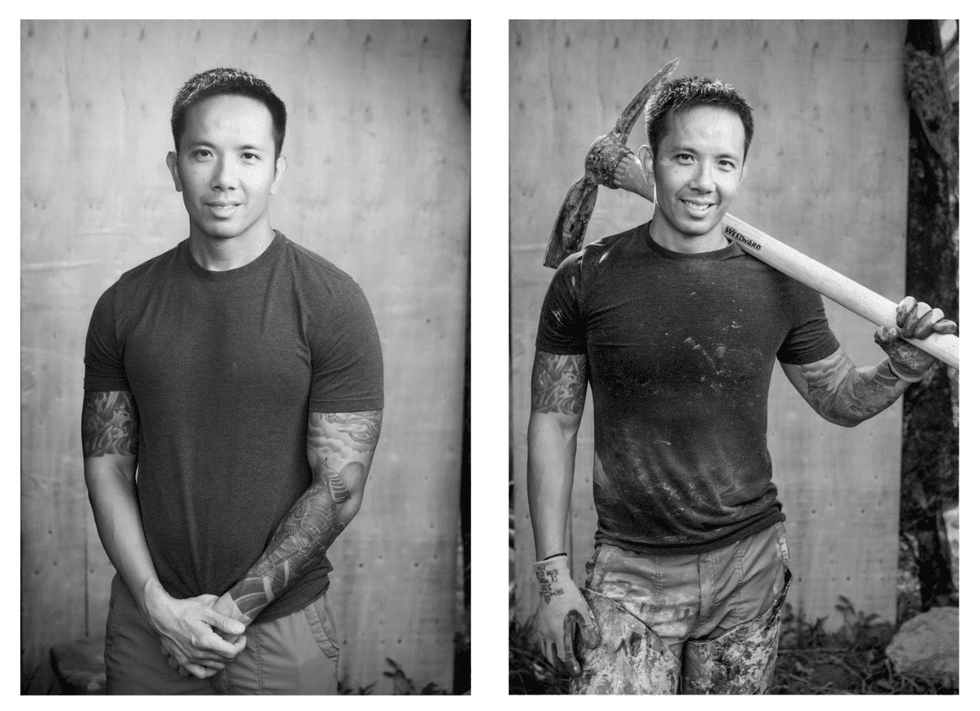
Meet some of the people who bring soldiers' remains home 10
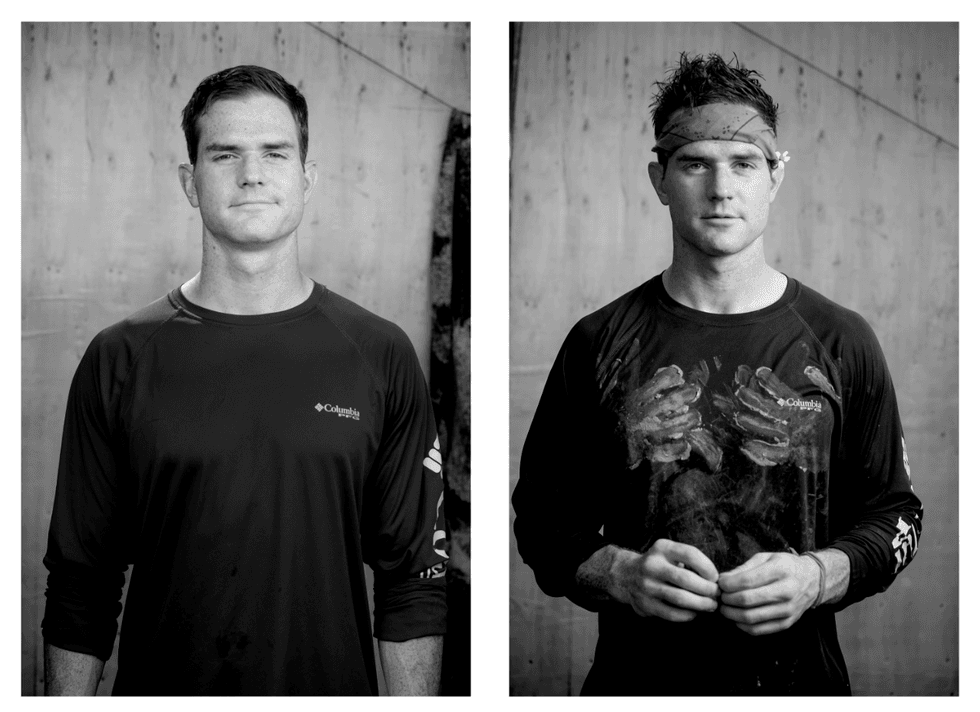
Meet some of the people who bring soldiers' remains home 11
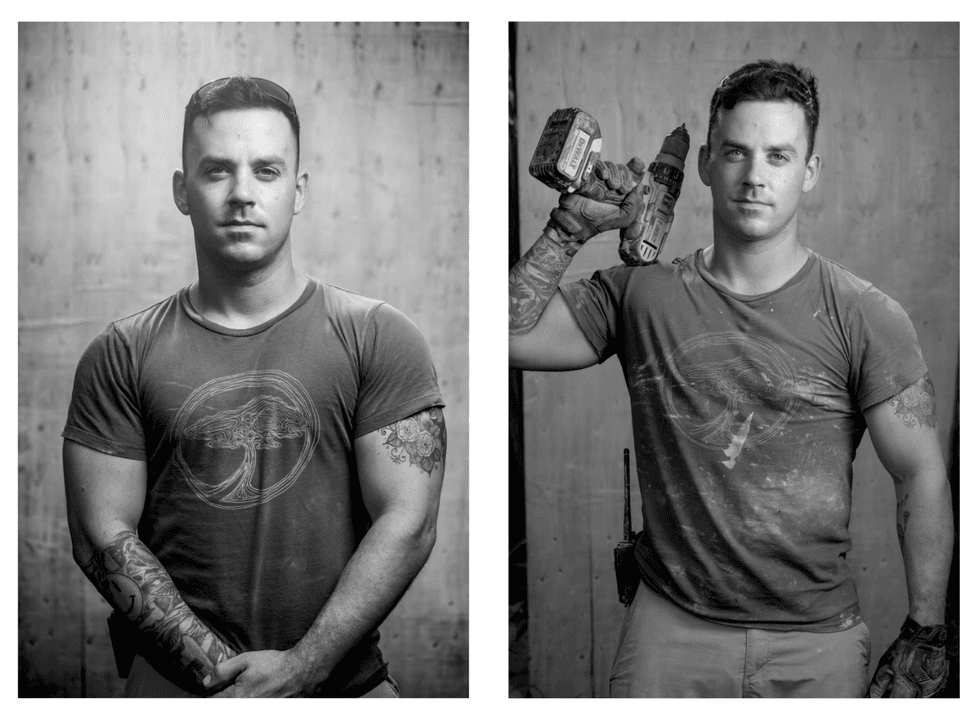
Meet some of the people who bring soldiers' remains home 12
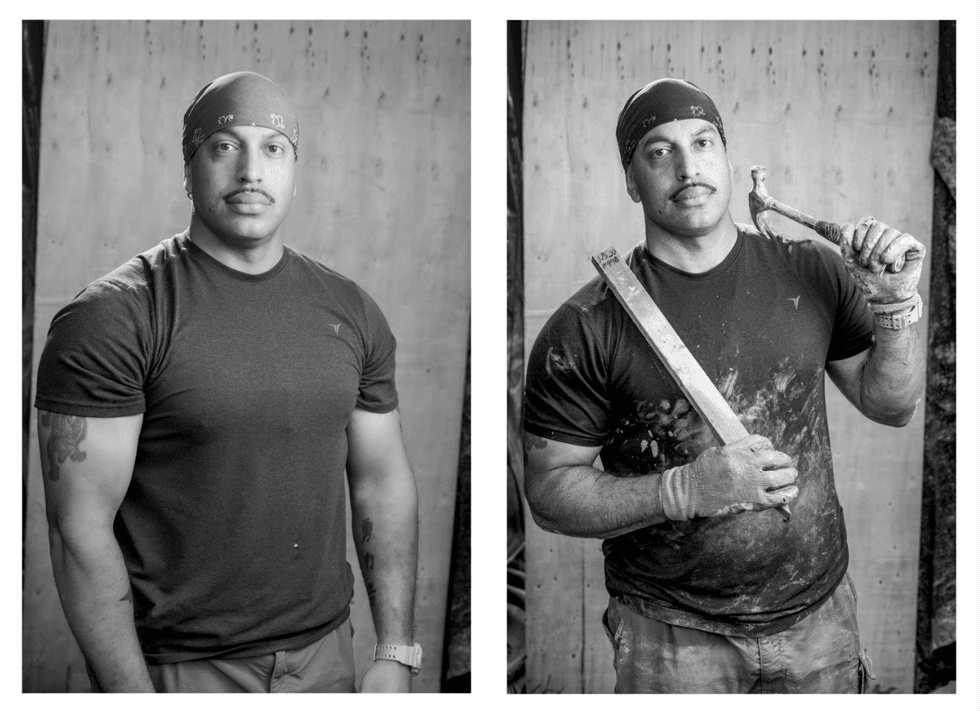
Meet some of the people who bring soldiers' remains home 13
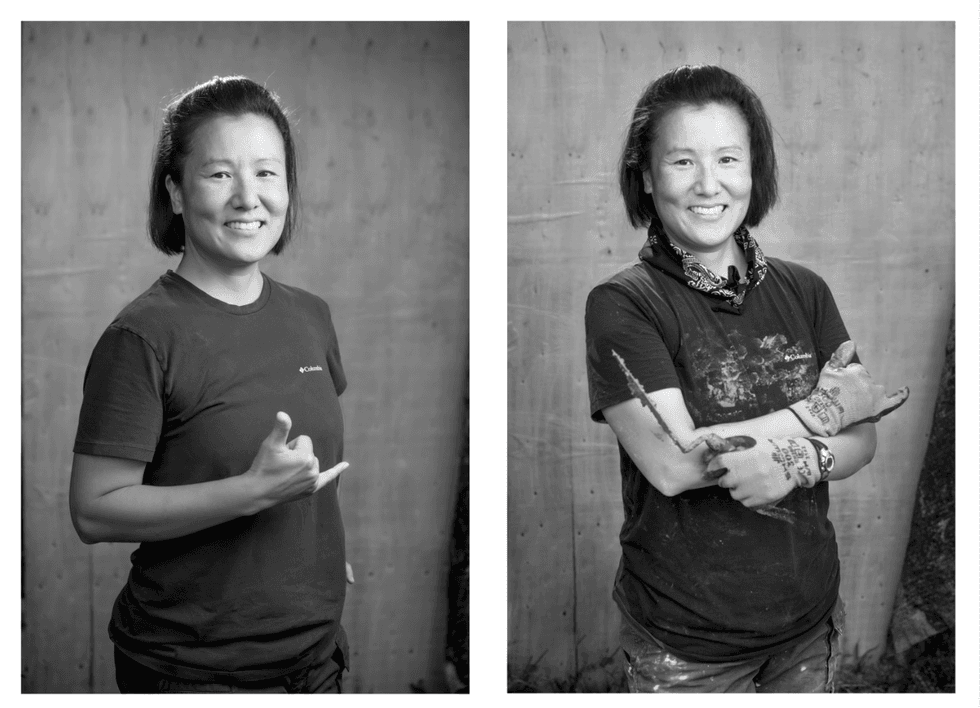
Meet some of the people who bring soldiers' remains home 14
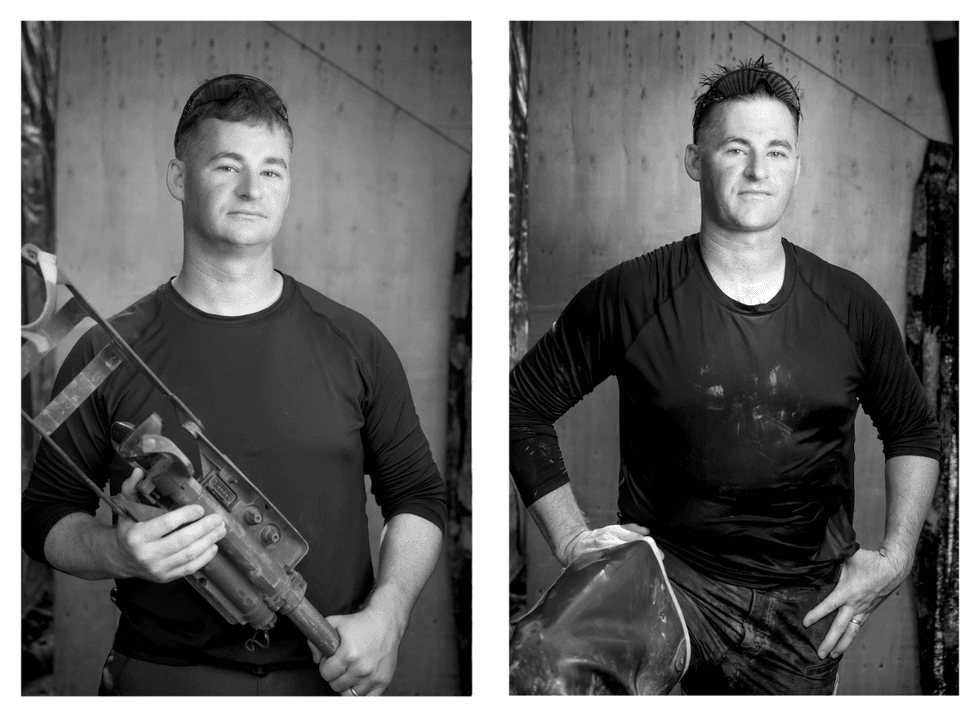
Meet some of the people who bring soldiers' remains home 15
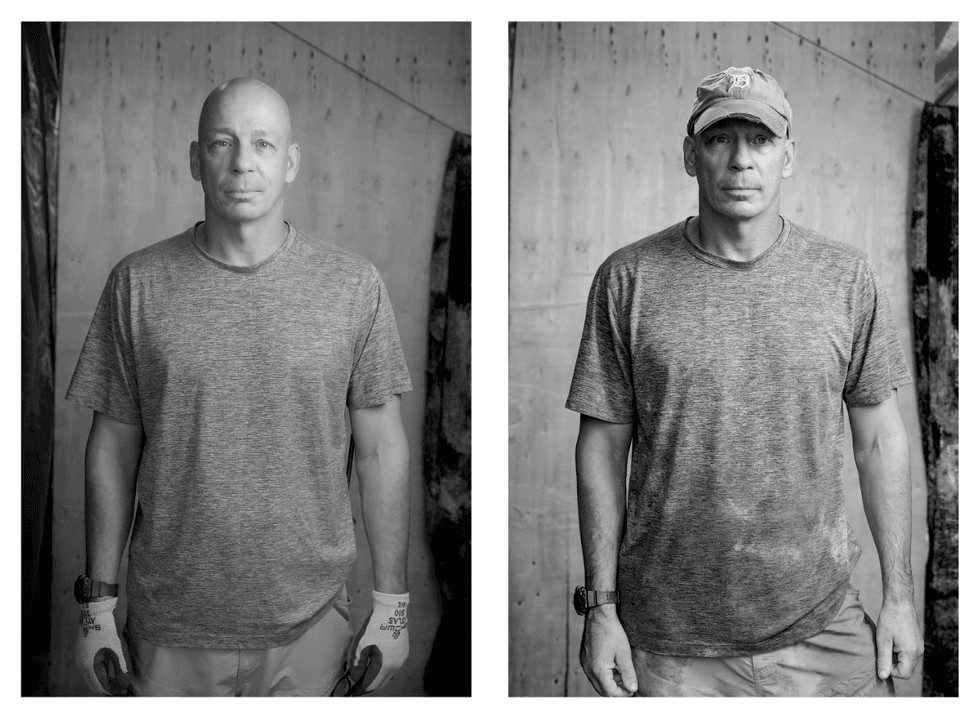
Meet some of the people who bring soldiers' remains home 16
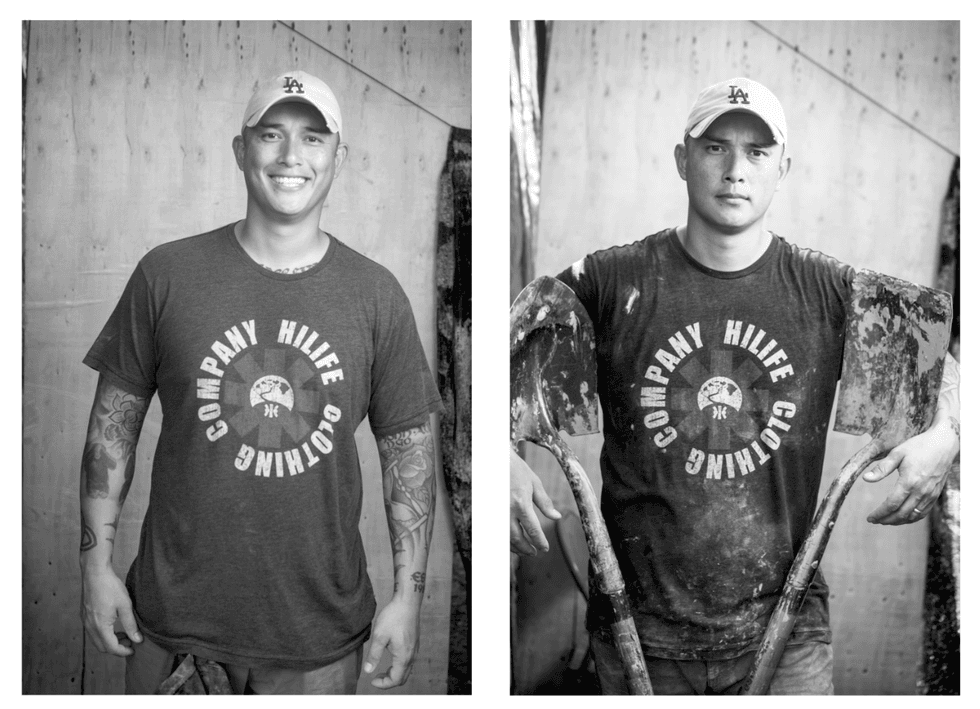
Meet some of the people who bring soldiers' remains home 17
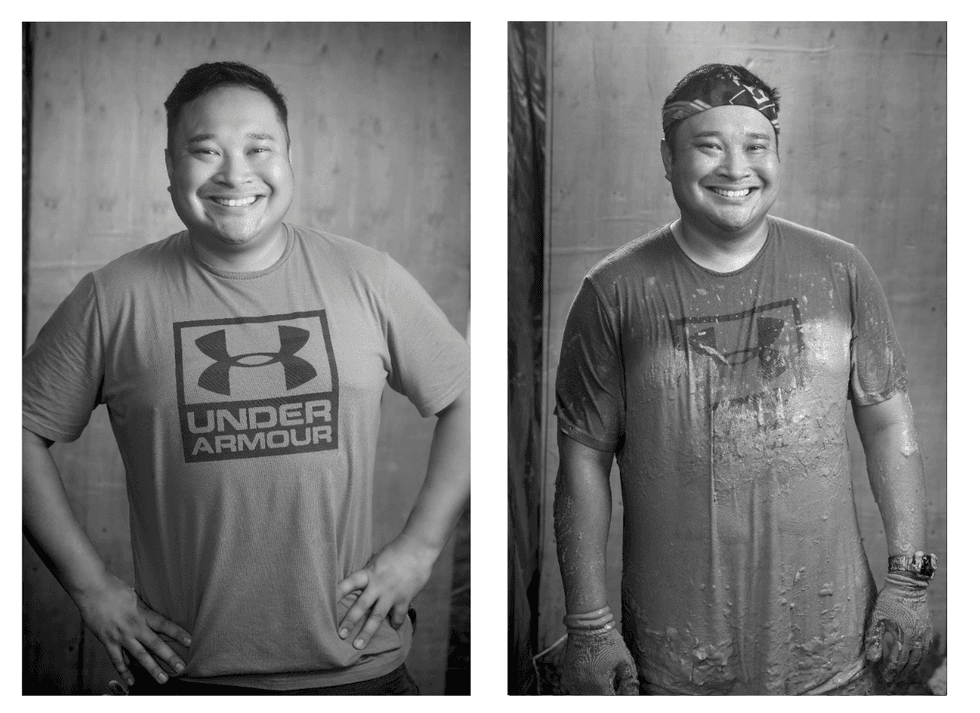
Meet some of the people who bring soldiers' remains home 18