

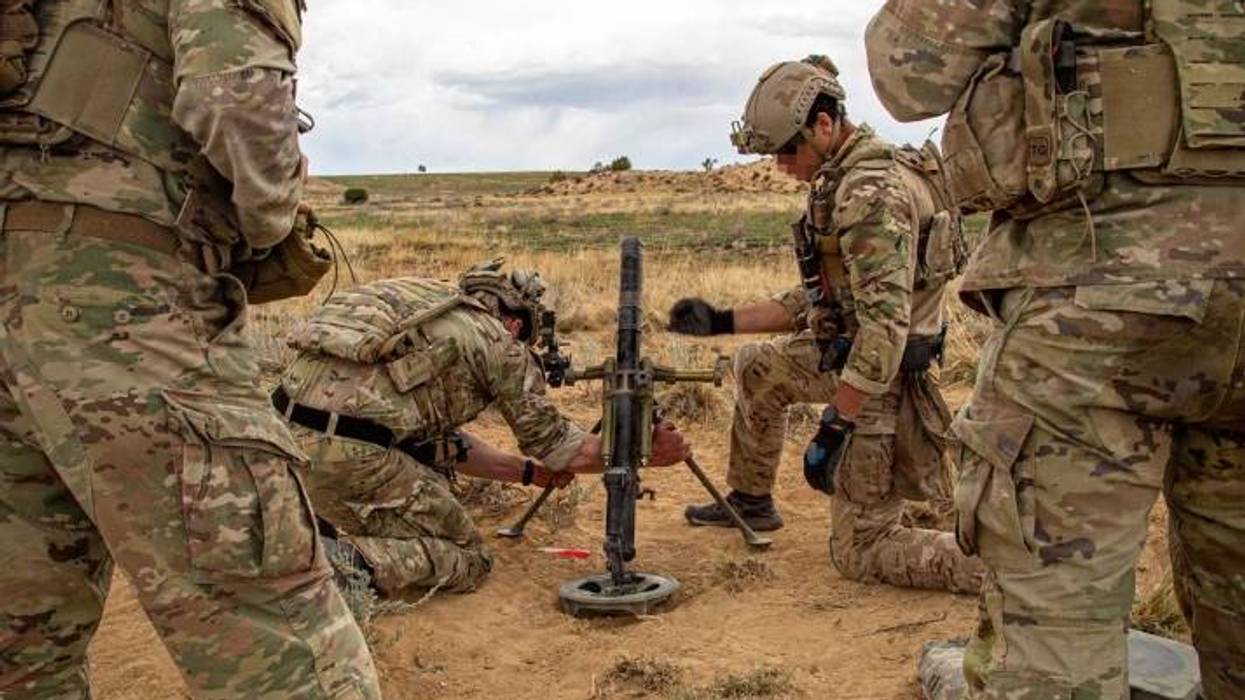

The 75th Ranger Regiment stood up the Brain Protection Task Force to immediately address concerns about traumatic brain injury, known as TBI. These injuries occur when a blast wave travels through the human body, resulting in what is commonly called a concussion. More accurately, the blast wave creates micro lesions on the brain, which can lead to serious, debilitating effects. Those who work around constant blasts, such as breachers, recoilless rifle gunners, and mortar men, are particularly at risk.
The TBI issue "demands immediate, practical innovations from the operational force. In response, the 75th Ranger Regiment has stepped into this gap, establishing its Brain Protection Task Force (BPTF) to move beyond cautious, flawless solutions and implement data-driven, field-expedient solutions needed to protect the force today," wrote Cpt. Sean Kratchman, Sgt. 1st Class Mark Wells, Maj. Megan Ripperger and Lt. Col. Andrew Oh in a recent article.
According to the authors, an '80 percent' solution today is far better than a 100 percent solution that may never arrive, all while Rangers (and other servicemembers) continue to be injured in both training and combat.
The first step for the Task Force was to create a new Army form based on the SF 600 chronological record of care form. Part of the problem in identifying and treating TBIs is that the military poorly documented blast exposures. This form helps to correct that by getting service members to document each case of blast exposure, including specific details. This will help doctors address medical issues by having better statistical data to draw from.
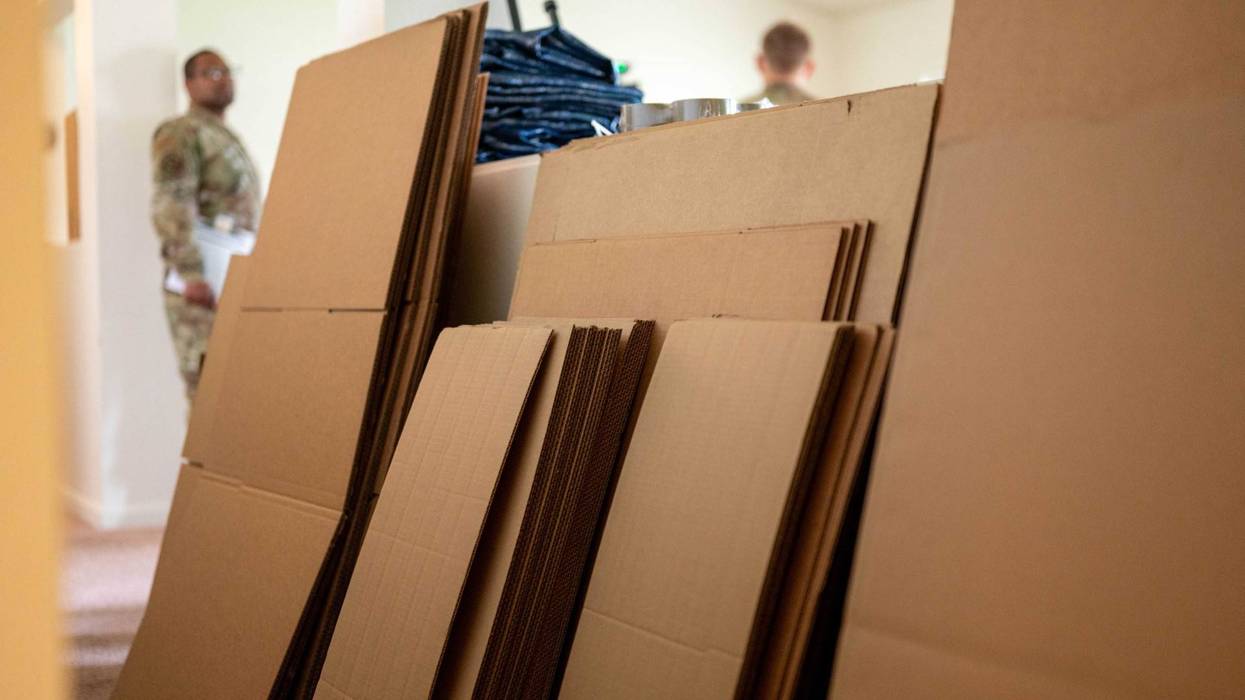
Another 80 percent solution the Task Force found was the use of standard Army issue wool blankets during explosive breaching. Using blast overpressure meters in a training environment, the Task Force found that hanging wool blankets a few inches from the walls of the training facility during an explosive breach reduced blast overpressure by 30-70 percent. In the article, the authors point out that they arrived at this data-driven solution in weeks, not months or years.
Other studies into TBI-related issues are ongoing, including how parachute jumps affect service members. Using mouthguard sensors, the Task Force has found that many more jumpers are experiencing hard landings than they self-report. Many are experiencing symptoms of concussions. Another study is looking into how wearing helmets increases blast overpressure for mortarmen. Due to how the blast wave reflects off the human body and gets trapped inside the helmet, it may actually be safer for mortarmen to wear no helmet at all.
The Ranger Regiment sees these methods and solutions as not just helping the Regiment, but also providing lessons learned for the rest of the Army.