


MRI or ultrasound?
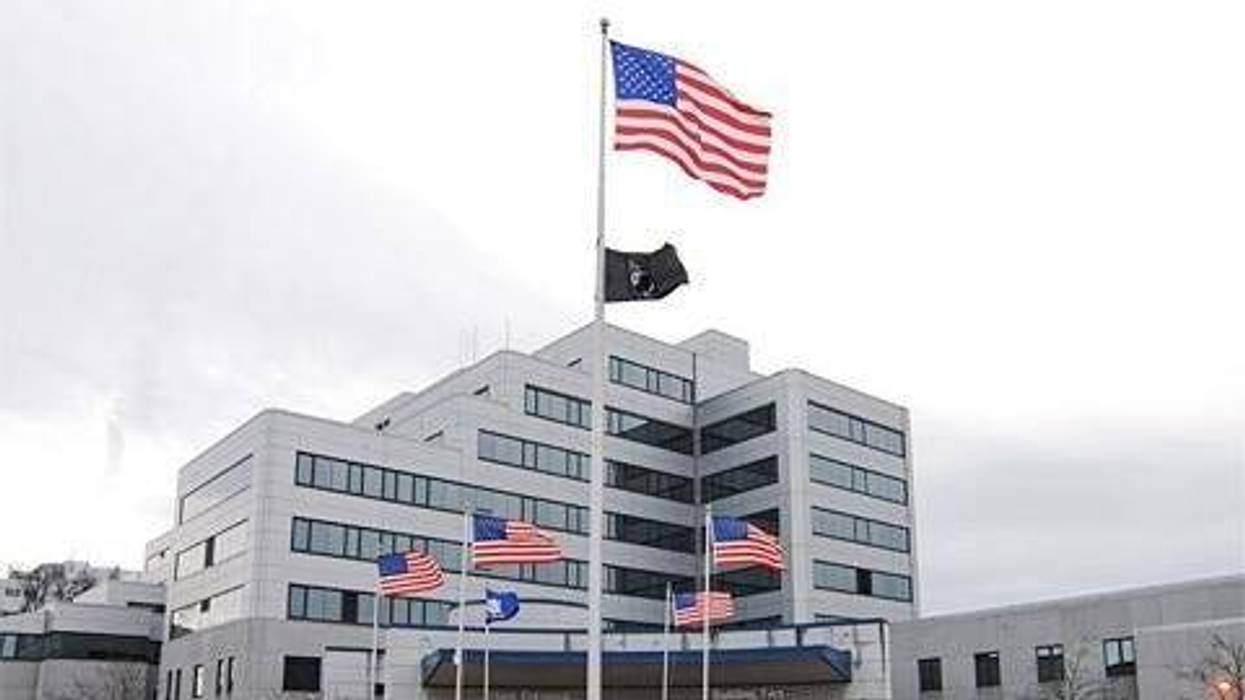
The Department of Veterans Affairs will begin a study next year to determine the most effective screening technique for liver cancer.
The study – the largest clinical trial in history related to liver cancer screening – will determine whether detecting liver cancer earlier with abbreviated MRI can make a difference for patients’ risk of death, according to a VA release.
Known as PREMIUM — PREventing Liver Cancer Mortality through Imaging with Ultrasound vs. MRI — the trial’s objective is to determine whether screening with abbreviated magnetic resonance imaging is better than ultrasound, the current standard of care in reducing liver cancer deaths in veterans.
“VA has a high prevalence of patients with advanced liver disease who could benefit from screening for liver cancer,” said Assistant Under Secretary of Health for Discovery, Education and Affiliate Networks Dr. Carolyn M. Clancy. “The study has the potential to change clinical practice for tens of thousands of veterans and non-veterans alike, and it could answer key questions about liver cancer screening that have been debated for more than three decades.”
Liver cancer is the sixth leading cause of cancer-related death in the country. The PREMIUM trial will recruit 4,700 veterans with cirrhosis (liver scarring caused by several different conditions) from 47 VA medical centers. Cirrhosis is a leading risk factor for liver cancer.
Participants will be followed over an 8-year period. This is the first clinical trial to compare the two screening methods for effect on patient death.

The trial is led by co-chairs Dr. George Ioannou of the VA Puget Sound Healthcare System and Dr. Tamar Taddei of the VA Connecticut Healthcare System, sponsored by the VA Cooperative Studies Program and coordinated by the West Haven CSP Coordinating Center.
For more information, visit here. PREMIUM clinical trial site.
Reach Julia LeDoux at Julia@connectingvets.com.