

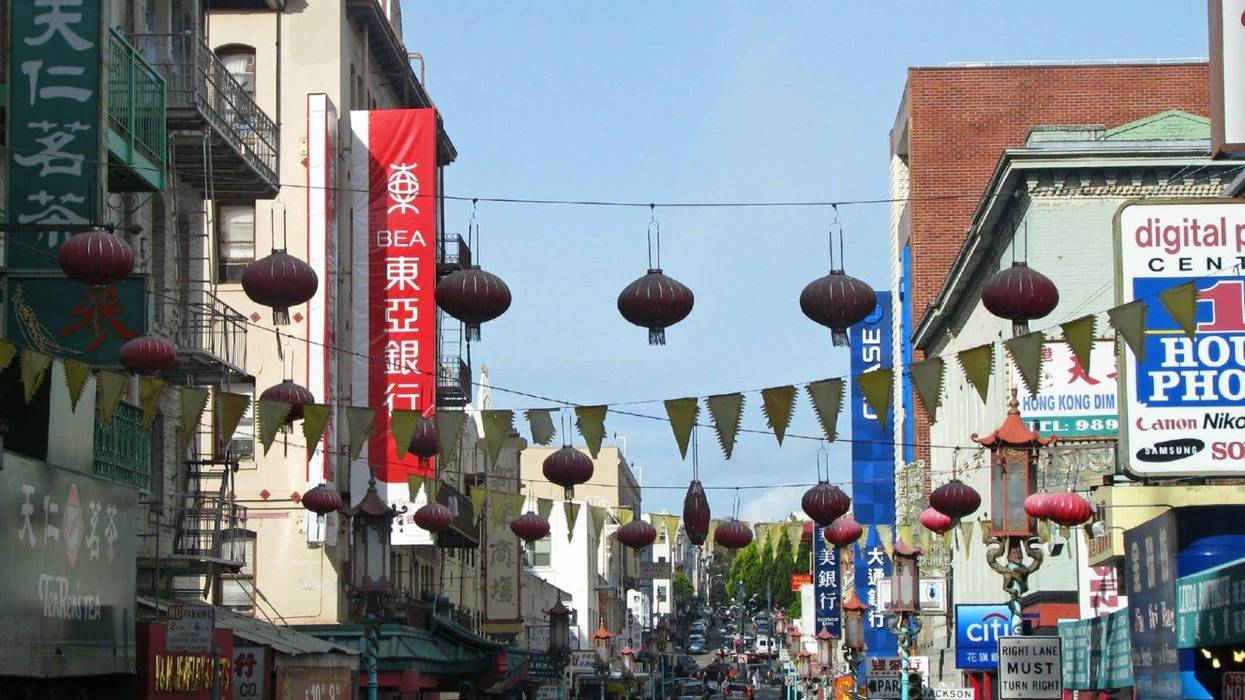

There may be thousands of empty storefronts around San Francisco and their owners may soon have to register with the city and pay for annual inspections for the unused properties.
It's an attempt to gently loosen supply of commercial space for small businesses around the city. Shopkeepers have been forced to close and complain that it's tough to find space to operate when rents rise.
Consumer behavior is also changing. More purchases are made online.
“Clearly, there’s the Amazonation of our economy and increasingly people are buying things online and not going down to the corner store or the corner Five and Dime,” San Francisco Supervisor Rafael Mandelman, who represents the Castro neighborhood and upper Market Street, told KCBS Radio.
Mandelman, introduced the legislation that would take an inventory of the vacant commercial space, many of which have windows covered with brown butcher paper or newspaper sheets.
He hopes his plan cuts red tape for would-be business owners.
“On average, it was taking new businesses that were trying to open in the Castro district 332 days to get a conditional use authorization, and that’s just way too long,” he said.
Mandelman says restaurants, art studios and nonprofits should get city approval to open almost instantly because they’re popular types of businesses.
There is, of course, the elephant in every room in San Francisco: the high cost of living, namely rent.
“Though there’s tremendous wealth in this city, and gentrification, landlord expectations around rents in a lot of cases are unreasonable,” Mandelman said.
The city is still kicking around the idea of imposing a tax on vacant storefronts. It may become a proposition for voters in November.