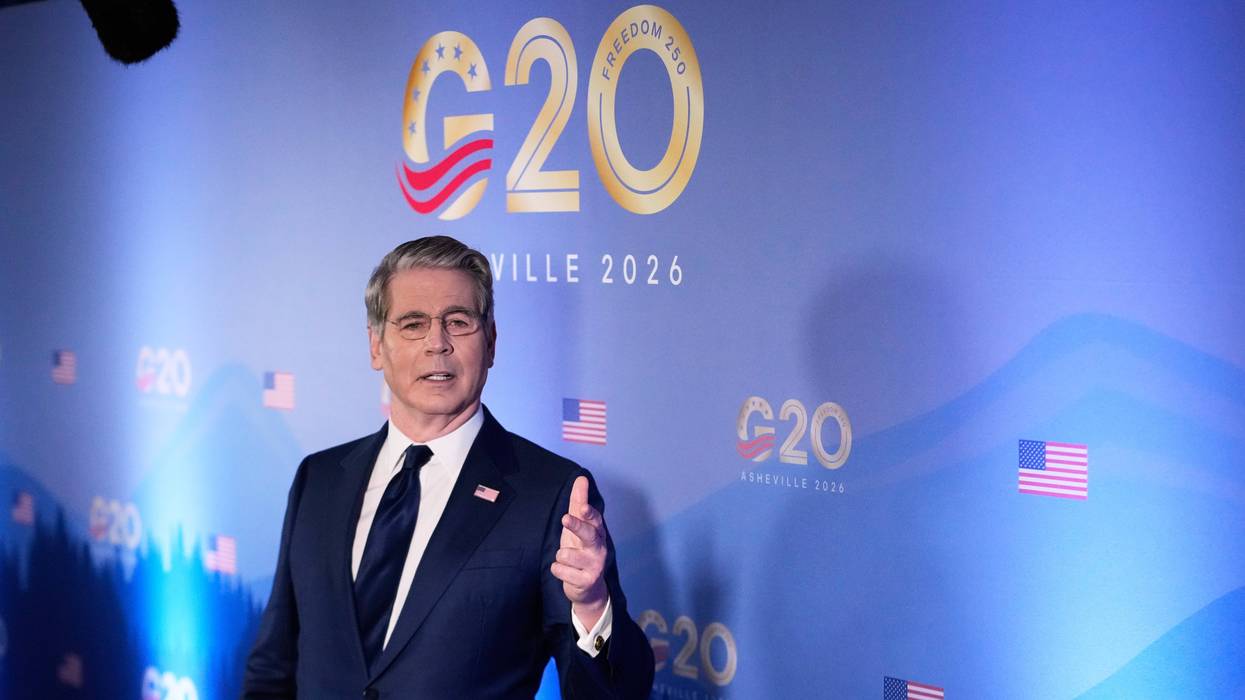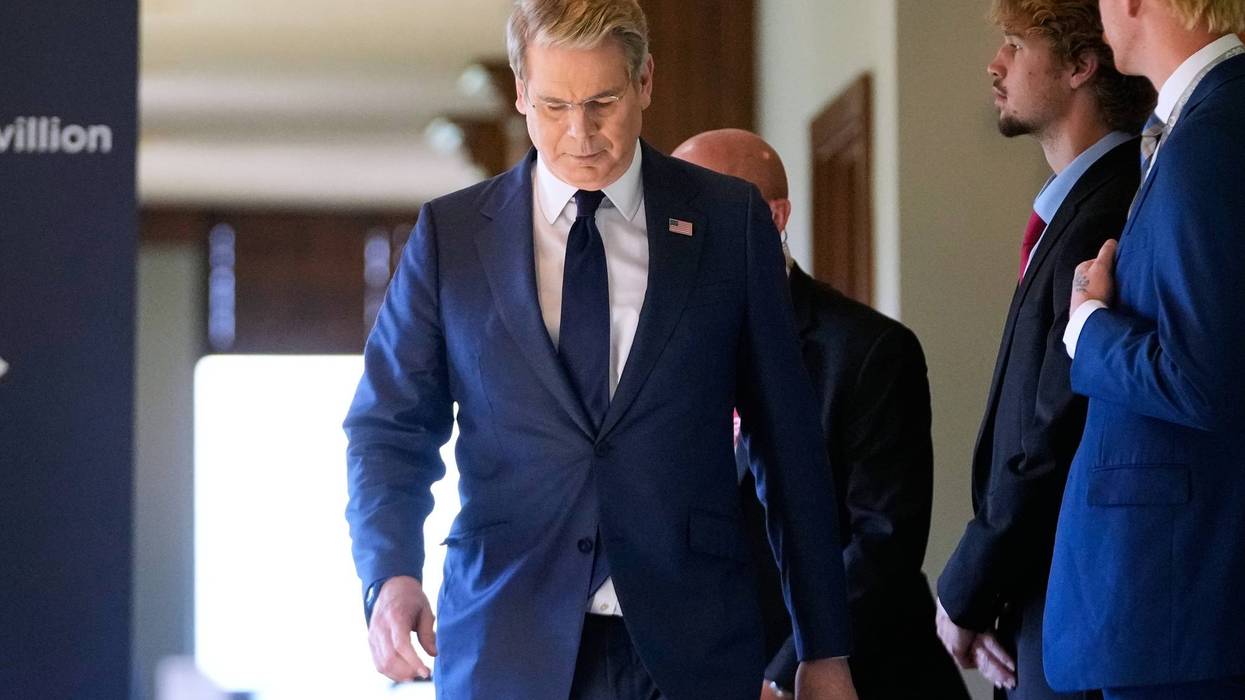



San Francisco-Based Vir Biotechnology, with GlaxoSmithKline, released new data on an experimental treatment in the progress of development, in the attempt to find a monoclonal-antibody drug to reduce hospitalization and deaths in high-risk adults due to COVID-19.
The drug, deemed VIR-7831, moved into the third phase of its trial with patients who have had COVID-19, as researchers look to understand how a certain monoclonal antibody can stop progression of transmission, and ultimately prevent them from being hospitalized or dying.
“When a patient recovers from a disease, that patient has many, many different kinds of antibodies,” said Dr. George Scangos, CEO of Vir Biotechnology. “And so what we’ve been able to do is go to patients who recovered from COVID-19 or from SARS, isolate a number of different antibodies, identify a single antibody that is potent and highly effective at blocking infection with the virus, and then using modern molecular biology tools to be able to produce large amounts of that single antibody.”
Dr. Scangos defined antibodies as when the body makes proteins that recognize the pathogen, preventing it from infecting new cells. But he said that monoclonal antibodies are somewhat more complicated.
“Some monoclonal antibodies will be susceptible when the virus changes and therefore will not neutralize some of the variants,” Scangos said. “So it depends on where in the virus the antibody recognizes. So obviously the virus is very small but on a molecular basis very large and there are many different places where antibodies can interact with the virus.”
He said that some of those antibodies change with the variants, while others do not. But what he and his team are most trying to find and develop is the “optimal monoclonal antibody,” one that recognizes a portion of the virus that is the same in all variants, and therefore will be effective against all variants of the virus.
“The question is can you treat those early patients to prevent them from needing hospitalization and dying,” Scangos said. “And we have had rather spectacular data, that we reduced the rate of hospitalization or death by 85 percent. So that’s a pretty dramatic number. We’re really excited about that, and of course very eager now to move that forward into the regulatory process, get it approved and make it available.”
Dr. Scangos said, while federal approval usually takes about a year to be finalized, there is a good chance that the new drug could be ready for emergency use within a matter of weeks, as seen to be the case with the coronavirus vaccines. But of course, the FDA and other agencies would first assure that it is high in safety quality.
Right now, Scangos said that a single dose of the antibody would provide immunity only for about two to four months.
“I encourage everyone to get the vaccine,” Scangos said. “That’s the best way to protect yourself in the long run.”