



“America is leading the world back to the moon,” President Joe Biden said Saturday in a statement.
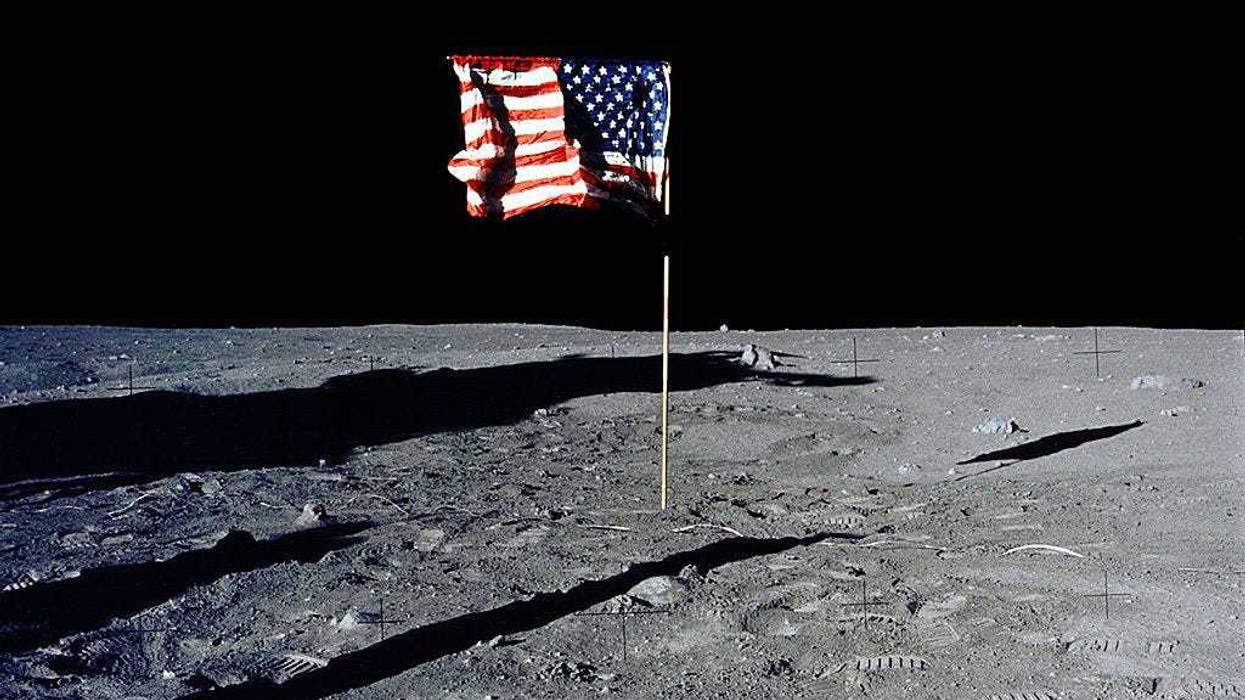
U.S. astronauts were the first people to walk on the moon in 1969. For the first time in more than 50 years, spacecraft from America again landed there this week. Biden called the landing of robotic lunar lander Odysseus “a thrilling step forward in a new era of space exploration.”
He also said the landing – accomplished through a partnership with NASA and Intuitive Machines – was a milestone since it was the first moon landing by an American company. Odysseus launched from NASA’s Kennedy Space Center in Florida on Feb. 15 and landed Thursday near the moon’s south pole after circling in low orbit.
“Intuitive Machines’ IM-1 mission is the company’s first mission through the agency’s Commercial Lunar Payload Services initiative, which aims to gain new insights into the lunar environment and expand the lunar economy to support future crewed missions under NASA’s Artemis campaign,” said NASA.
According to the president, more public and private sector space missions will follow through NASA’s Artemis program.
Space exploration has been heating up in recent years with more companies, such as SpaceX, investing in travel outside of Earth’s orbit. This recent landing on the moon also comes amid reports that Russia is working on putting nuclear weapons in space. When the U.S. first put a man on the moon, it was during the Cold War and motivated in part by “Space Race” competition with Russia, then the Soviet Union.
“We choose to go to the Moon in this decade and do the other things, not because they are easy but because they are hard,” said a 1962 quote from President John F. Kennedy cited by Biden. Kennedy went on to say: “That challenge is one that we are willing to accept, one that we are unwilling to postpone, and one that we intend to win.”
A Friday update on the Odysseus mission from Intuitive Machines said the robotic lander was doing well and that flight controllers were communicating and commanding the vehicle to download science data.


