

Trump isn’t backing off on tariffs despite SCOTUS ruling and public disapproval

President Donald Trump is staying loyal to tariffs, even after the conservative-leaning U.S. Supreme Court ruled that emergency tariffs he put in place were illegal, and as polls show that most American voters aren’t fans of the levies.
In a Friday ruling, the Supreme Court determined that the tariffs exceed the powers given to the president by Congress. Chief Justice John Roberts, Justice Elena Kagan, Justice Sonia Sotomayor, Justice Ketanji Brown Jackson, Justice Amy Coney Barrett and Justice Neil Gorsuch joined in the opinion. Justice Brett Kavanaugh, Justice Samuel Alito and Justice Clarence Thomas dissented. Gorsuch, Barret and Kavanaugh were all appointed by Trump.
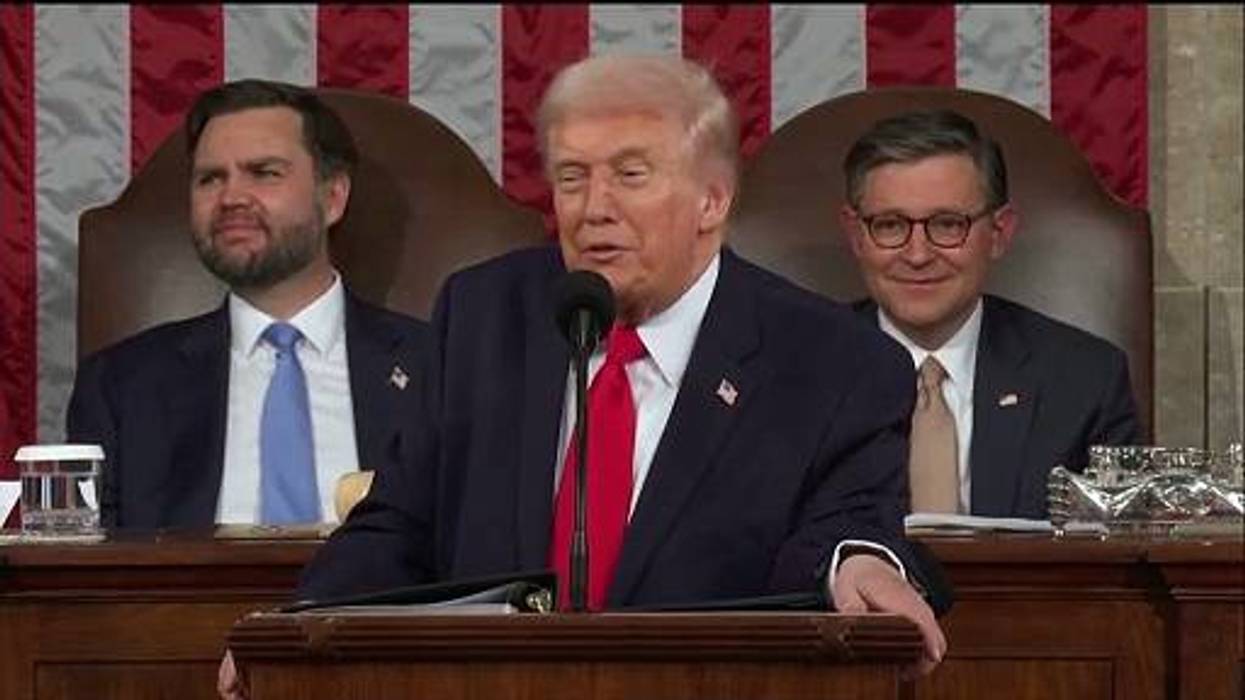
“Based on a thorough, detailed, and complete review of the ridiculous, poorly written, and extraordinarily anti-American decision on Tariffs issued yesterday, after MANY months of contemplation, by the United States Supreme Court, please let this statement serve to represent that I, as President of the United States of America, will be, effective immediately, raising the 10% Worldwide Tariff on Countries, many of which have been ‘ripping’ the U.S. off for decades, without retribution (until I came along!), to the fully allowed, and legally tested, 15% level,” said Trump in a Saturday Truth Social post.
According to CNN, Trump’s new levies can take effect for a maximum of 150 days, unless he gets congressional approval for an extension. Amy Howe of Howe on the Court noted that the Supreme Court’s ruling indicates that the U.S. might need to refund tariffs already paid, but CCN said that Trump “signaled a protracted legal battle over whether his administration now has to pay companies billions of dollars in tariff refunds.”
While Trump and his administration have praised his sweeping tariffs as a revenue generator for the country and a way to promote fair trading practices around the world, experts have questioned this narrative. Audacy has reported on research that indicates American consumers have actually paid most of the tariff costs, to the tune of $1,000 per household last year.
“We estimate with the IEEPA tariffs being ruled illegal, the President’s remaining new tariffs under Section 232 amount to average tax increase per US household of $400 in 2026,” said the bipartisan Tax Foundation in a Friday report. It added that the tariffs “have not meaningfully altered the trade balance.”
Another Tax Foundation piece published Friday said that the SCOTUS ruling “shields US taxpayers from that major tax increase and erases nearly three-fourths of the new tax revenue the Trump administration hoped to raise from tariffs.”
Polls have also shown that a majority of Americans are not supportive of the tariffs.
A Council on Foreign Relations opinion poll conducted in this January in partnership with Morning Consult found that more than 65% of its 2,203 respondents said tariffs had made a range of everyday items less affordable, including food and groceries, health care, housing, and transportation. That sentiment was expressed by a plurality of Democrats and Republicans.
Results of an ABC News/Washington Post/Ipsos poll conducted via Ipsos’ KnowledgePanel released Friday found that 64% of U.S. adults disapprove of how Trump is handling tariffs. Although 75% of Republican voters approved of the way Trump is handling the tariffs, that slipped to just 43% when “Make America Great Again” Republicans were separated out. A 55% majority of non-MAGA Republicans disapprove of the way the president is handling tariffs, per the poll results. Voters across income levels also disapproved of the tariffs.
Trump added in his Saturday Truth Social post that his administration plans to “determine and issue the new and legally permissible Tariffs, which will continue our extraordinarily successful process of Making America Great Again,” during the coming months.