


In an effort to make sure all parts of the world have access to COVID-19 vaccines, the World Health Organization this week announced a moratorium on booster shots.
The ban on boosters is expected to last two months. From now through Sept. 30, the WHO hopes to reach vaccination rates of 10 percent in every country, said NPR.
Listen to your favorite News/Talk station now on Audacy.
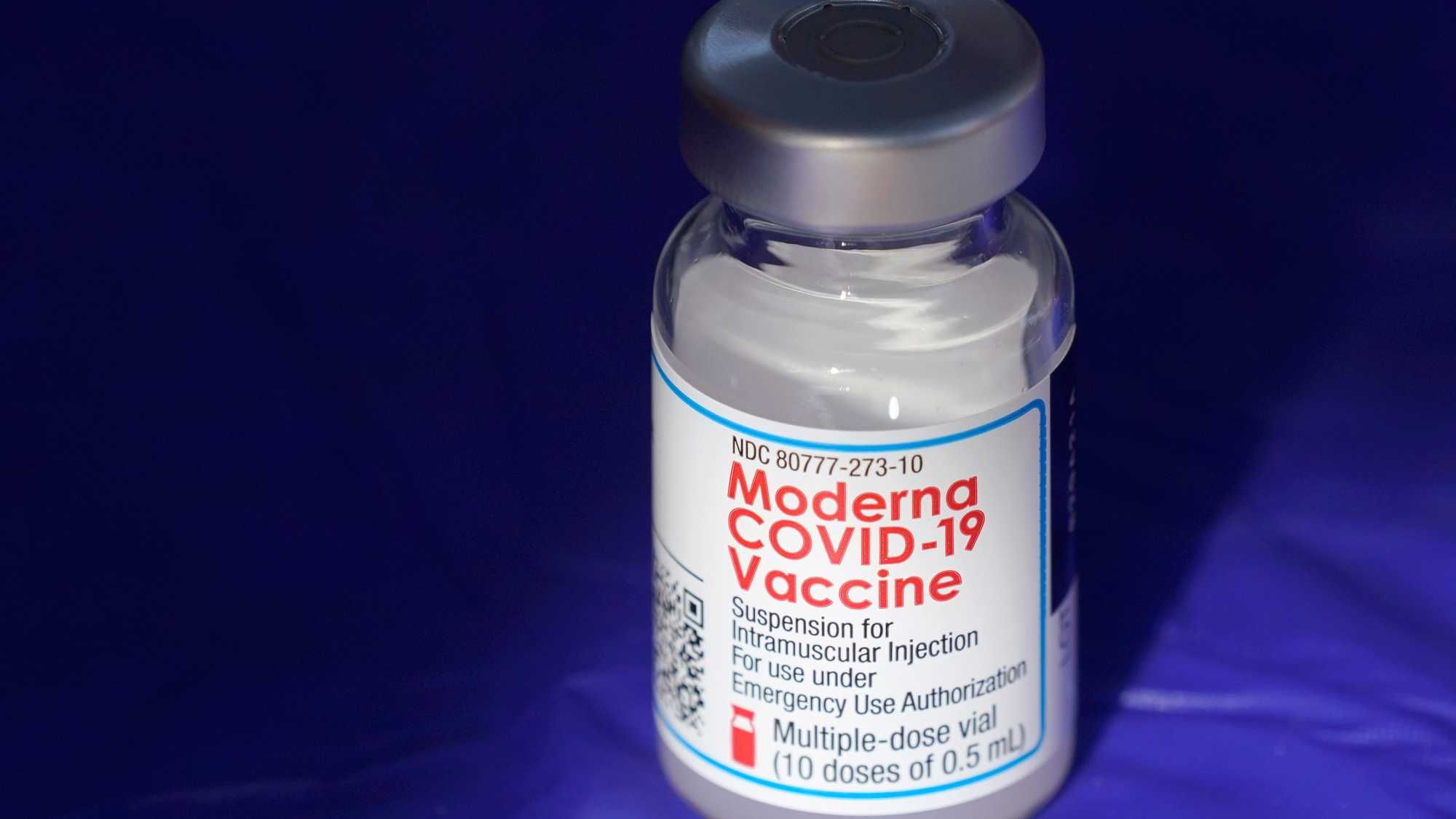
In the U.S., Pfizer and Moderna two-dose vaccines and a one-dose Johnson & Johnson vaccine are approved, and 165 million people are vaccinated (around 50 percent of the population). Top infectious disease specialists have warned that booster shots may be needed to increase effectiveness of the vaccines and breakthrough cases have been reported in vaccinated people.
"We should not accept countries that have already used most of the global supply of vaccines, using even more of it while the world's most vulnerable people remain unprotected," said WHO Director General Tedros Adhanom Ghebreyesus, according to NPR.
#HealthWorkers, older people & other at-risk groups need #COVID19 vaccines now. @WHO is calling for a moratorium on boosters until at least the end of September, to enable at least 10% of the population of every country to be vaccinated. #VaccinEquity pic.twitter.com/6AwkppgbJj
— Tedros Adhanom Ghebreyesus (@DrTedros) August 4, 2021
So far, more than 4.31 billion vaccines have been administered worldwide, according to the New York Times COVID-19 vaccination tracker. China, India, the U.S., Brazil and Germany have used the most overall vaccines while Malta, the United Arab Emirates, Iceland, Uruguay and Chile have the highest percentages of people fully vaccinated.
Countries with the lowest vaccination rates include Libya, Ethiopia, Ivory Coast, Haiti and Congo.
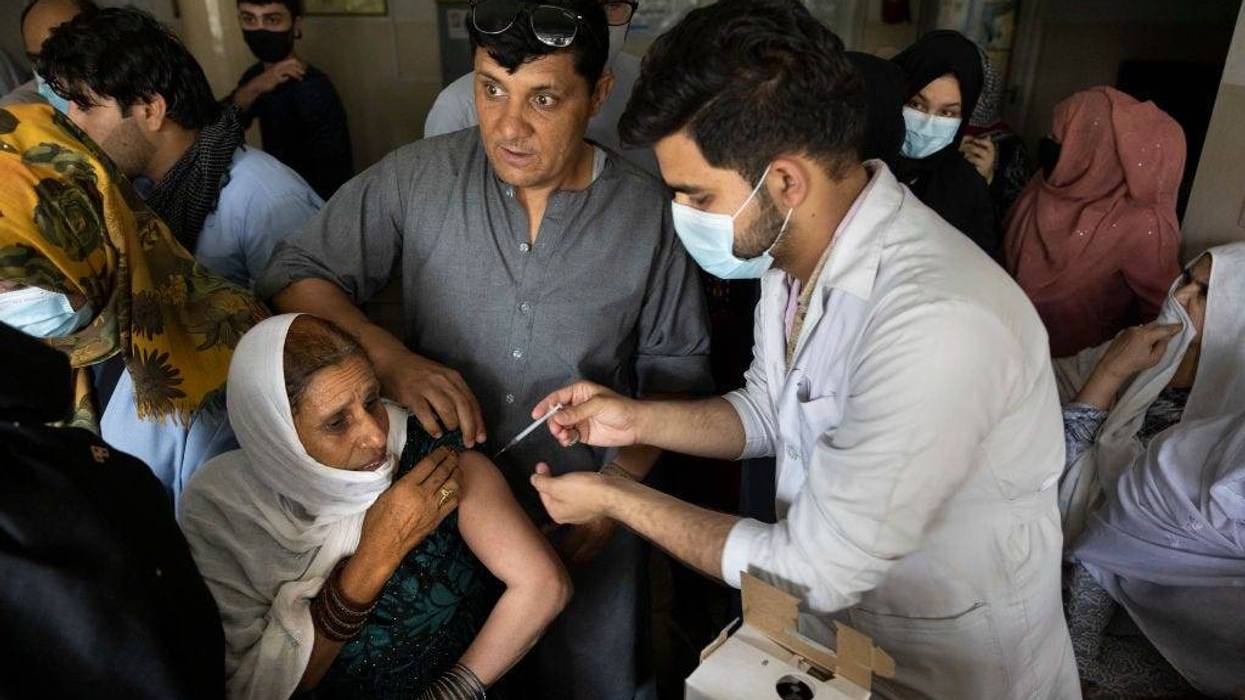
More than 80 percent of COVID-19 vaccines have been administered in high-income and upper-middle income nations, said NPR. In the U.S., teenagers at low risk of contracting COVID-19 have received vaccinations while front-line health-care workers in Nigeria are still awaiting their shots.
As the WHO works towards a goal to get at least 10 percent of all countries vaccinated, the organization's larger goals are to get 40 percent by the end of the year and 70 percent by mid-2022. If countries with high vaccination rates hold off on booster shots, those with lower rates may have a chance to catch up, explained the WHO.
However, this idea is not universally supported. According to NPR, White House press secretary Jen Psaki dismissed the call for a booster moratorium. If the Food and Drug Administration approves boosters, they will be offered to Americans as the U.S. has enough doses to use at home and to donate abroad, she added.
"We believe we can do both," Psaki said. "We don't need to make that choice."
Jarbas Barbosa, assistant director of the Pan American Health Organization, thinks giving boosters in some countries ahead of first doses in others makes no sense from a public health perspective, according to NPR. Ruth Karron, a professor of international health at Johns Hopkins University, agreed that getting as many people as possible vaccinated is more important than boosters at this time.
"New variants are most likely to arise in unvaccinated populations," she explained. "So, the more of the world that's unvaccinated, the more we are all at risk."
Learn more about booster shots and their effectiveness against the highly infectious Delta variant of COVID-19 here: