



Researchers have been looking into the effects wildfire smoke has on our bodies – bad air quality can affect respiratory function and even skin. Even more concerning is how the pollutants in the smoke can impact response to COVID-19.
The results can be quite significant, according to Harvard biostatistician Dr. Francesca Dominici. "We wanted to look at the impact of wildfires last year, in the year 2020 on COVID-19 cases," she said on Wednesday's Ask an Expert with KCBS Radio's Holly Quan and Eric Thomas.
Dominici is also the author of a recent wildfire smoke study published in Science Advances, where researchers analyzed some 92 counties in California, Oregon and Washington. They were looking at the impact fine particulate matter had on COVID-19 cases in those areas, and whether or not the pollution "could lead to additional numbers of COVID-19 cases."
"We found that over 19,700 extra cases of COVID-19 have occurred because of this high level of fine particulate matter," said Dominici. An additional 750 deaths can also be attributed to the fires.
Even low levels of fine particulate matter can lead to adverse health effects, she said. Fine particulate matter is smaller than 150th of the diameter of a strand of human hair, and are caused by any kind of fuel combustion.
"They are so little and tiny tiny that they penetrate very deep into our lungs," said Dominici. They can also penetrate the bloodstream, the brain, and impact fertility.
"They are dangerous and toxic," she said. Experiencing this simultaneously with COVID-19 is extremely bad for lungs.
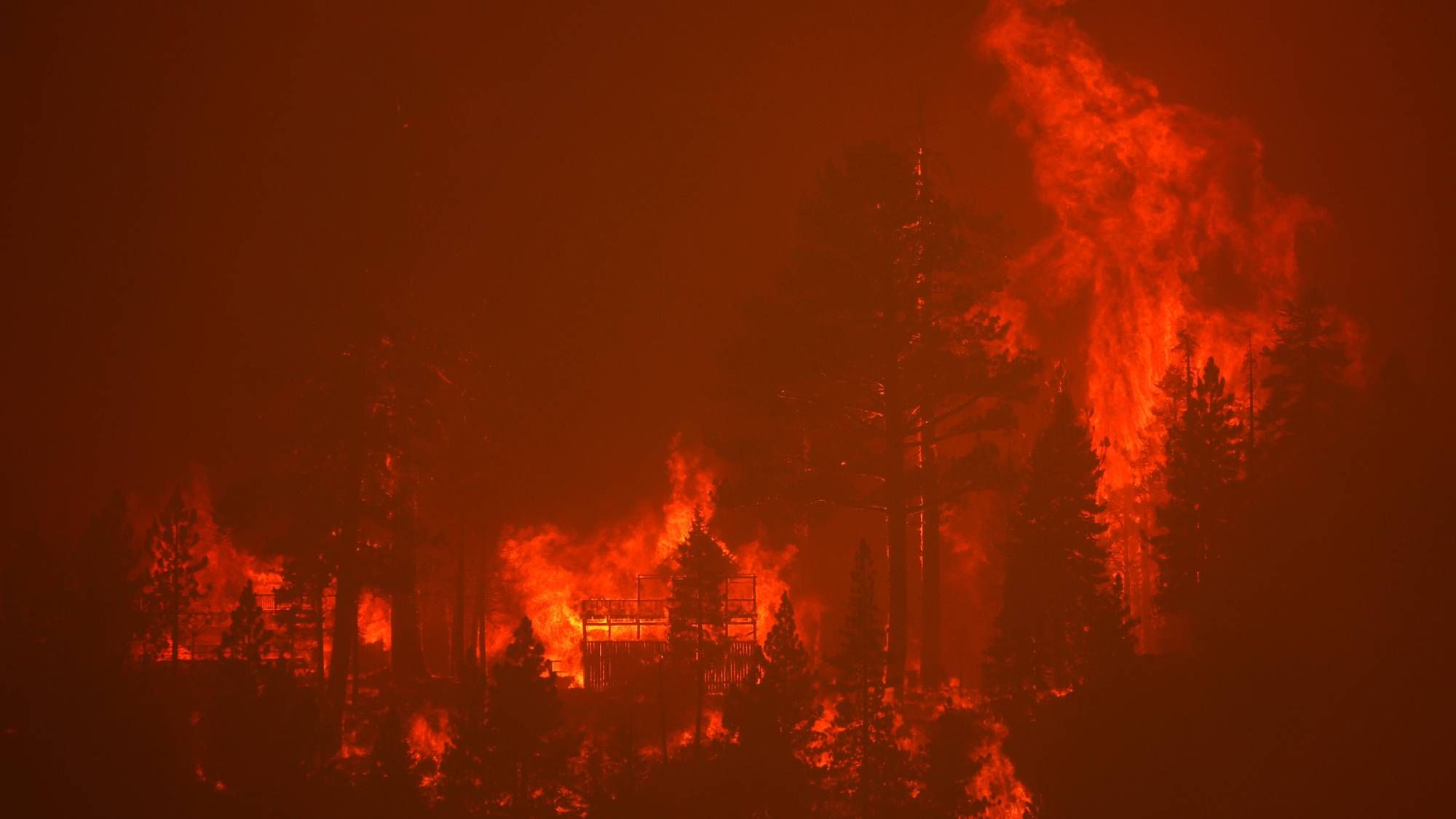
Even if people are vaccinated, breathing this matter in still creates a high risk for people to contract the virus. "They are already compromised to fight COVID-19," she said. It's especially concerning for firefighters currently battling the blaze in South Lake Tahoe.