


Omicron has officially unseated delta as the COVID-19 variant with the most cases.
As of the most recent calculations, omicron is accounting for 73% of new COVID-19 cases in the United States, but that doesn’t mean we don't have to worry about delta anymore.
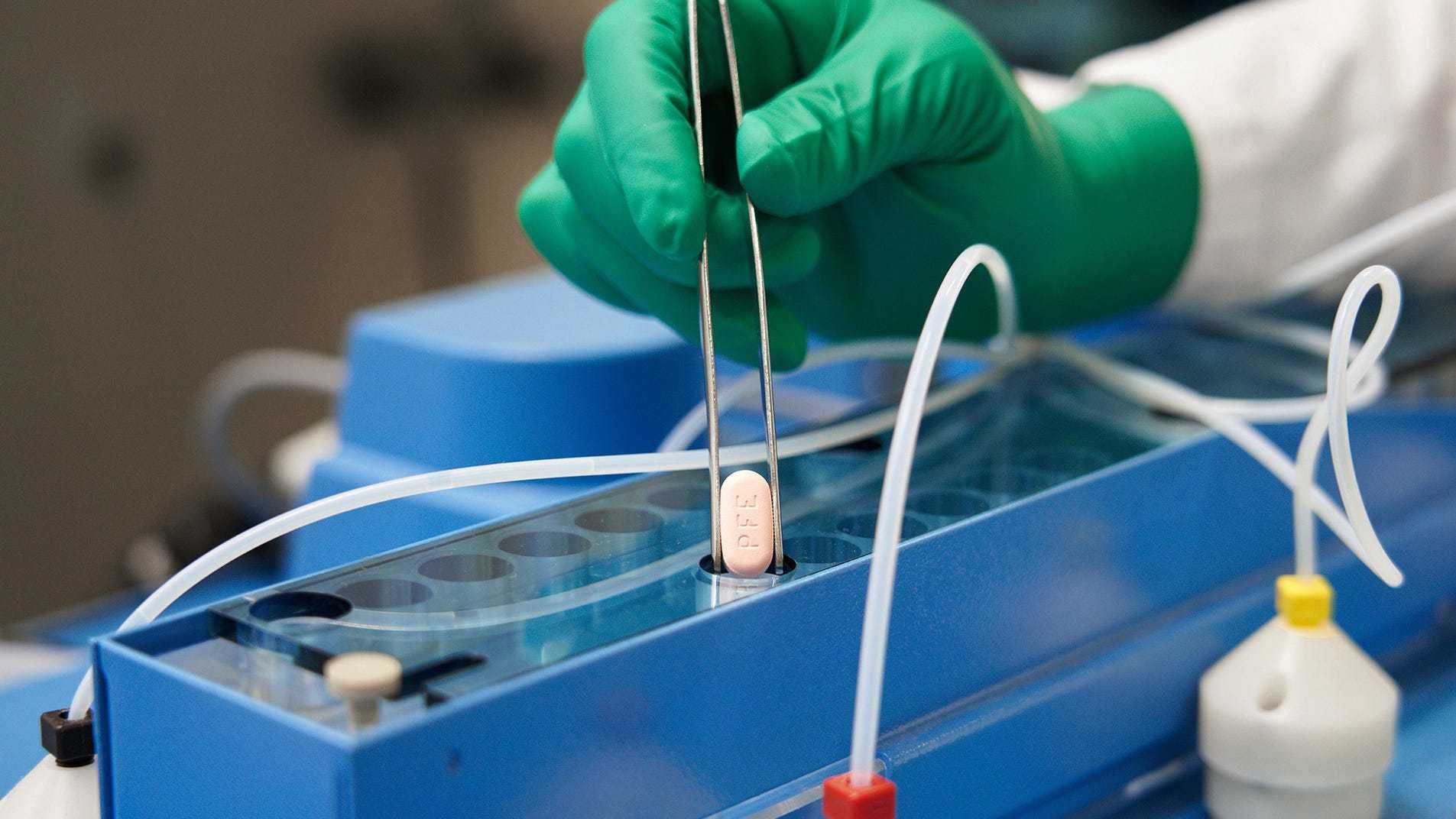
With both variants to worry about this holiday season, one piece of good news is that a new COVID-19 treatment has just been approved, a Pfizer pill that people can take orally to treat the worst symptoms of the disease.
"It cuts down the risk of hospitalization by almost 90%," said Dr. George Rutherford, pediatrician and Director of Prevention and Public Health Group at UCSF on KCBS Radio's "Ask an Expert" with Holly Quan and Dan Mitchinson on Wednesday.
"The only problem is that there isn’t going to be a lot available right away," he said. It's going to take some time to get the pill distributed, he said.
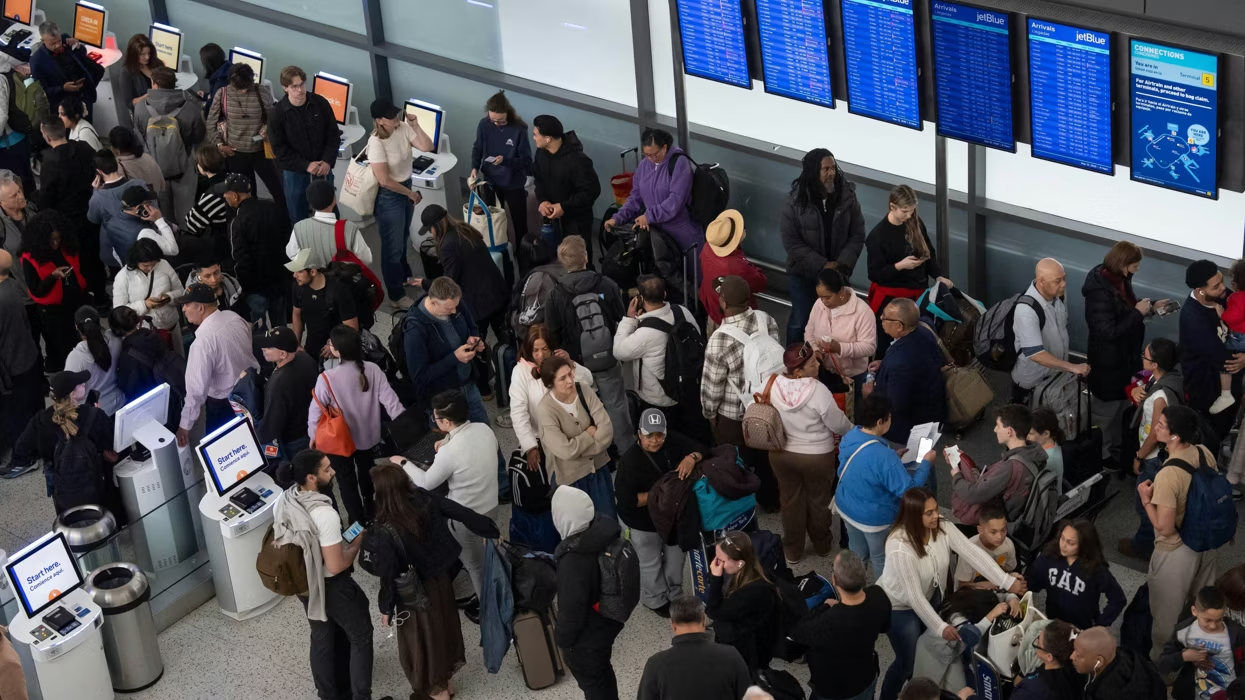
And it can't come soon enough as cases continue to rise, and even more mutations might be on the horizon.
"We only heard about this the day before Thanksgiving," he said, noting that omicron only emerged about a month ago. As such, there are still many unknowns about how this variant will affect those infected, in the short term and especially in the long term.
"We don’t have any kind of track record, going forward," said Rutherford. "The smartest thing to do is not get it."
It has not yet been fully established just how severe the symptoms from omicron are compared to others, he said.
All that is certain is that "this is something you don’t want to get," he said. The best way to do that is to get boosted, and avoid situations that could lead to exposure, such as holiday parties. Even when attendees are boosted, there is still a chance for transmission.
"My advice is to be careful, to be prudent, to make sure you’re boosted," said Rutherford. "But above all, this is in your hands to avoid getting infected."
The goal is to make sure we don't reach a point where we need to endure another stay-at-home order, where schools will need to be closed and businesses will need to be shuttered.
"The way we can do that is by having as many people boosted as possible and avoiding a large Christmas, New Year’s vacation surge," he said.