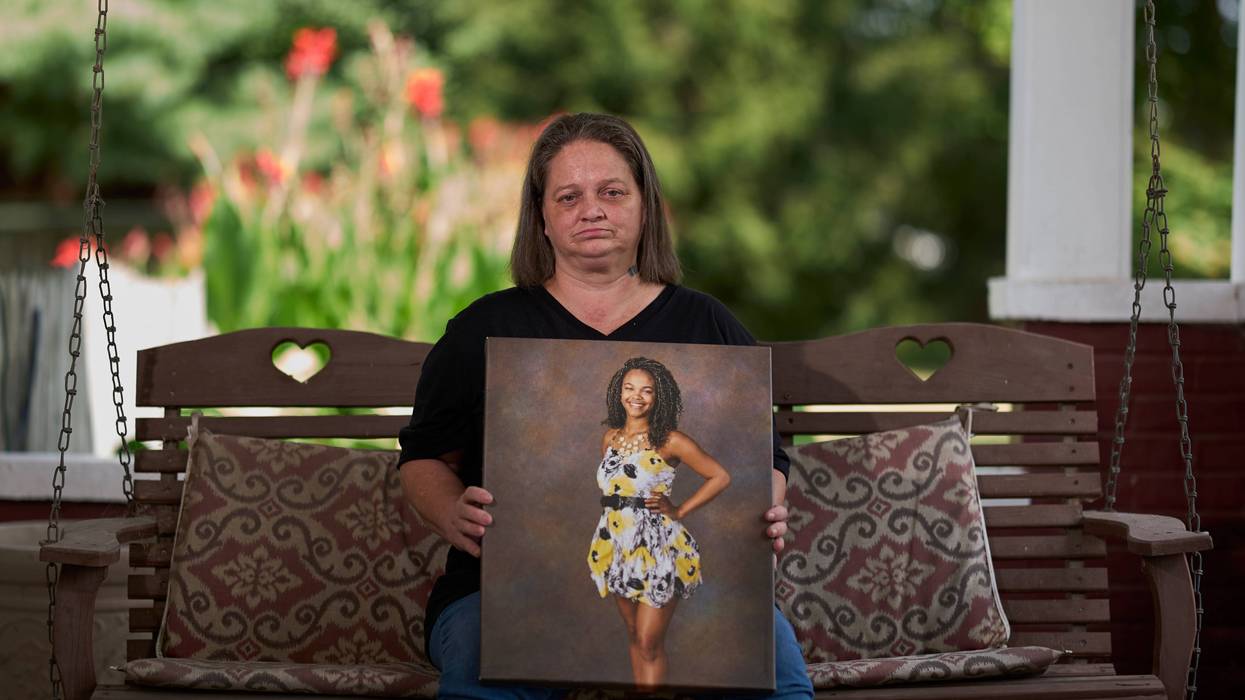



UNITED NATIONS (AP) — In a stifling sixth grade classroom in war-torn Sudan, a very motivated teacher was giving a lesson to 120 very committed children. Among them: an 18-year-old girl uprooted three years ago by fighting, forced into marriage and motherhood too soon, but determined to finish her education.
That wasn’t all, Maysa Jalbout, the director of Education Can’t Wait, recounted of her visit to the school a few weeks ago. Even with a classroom temperature of 44 degrees Celsius (111 degrees Fahrenheit) and no water or electricity, “She pleaded with me to make sure that her siblings and her cousins and her orphan friends are also able to attend school.”
But the school was so small that hundreds more kids waiting outside couldn’t get in, Jalbout said. They asked her and the other visitors to deliver a message to build more schools – and she said that’s what she has been urging at the U.N.’s annual meeting of world leaders at the United Nations this week.
The plight of the more than 500 million children in desperate need of an education has been one of the key issues on the sidelines of the meeting – and the appeal for money to make it possible is having some success.
Climate change and conflict are major impediments
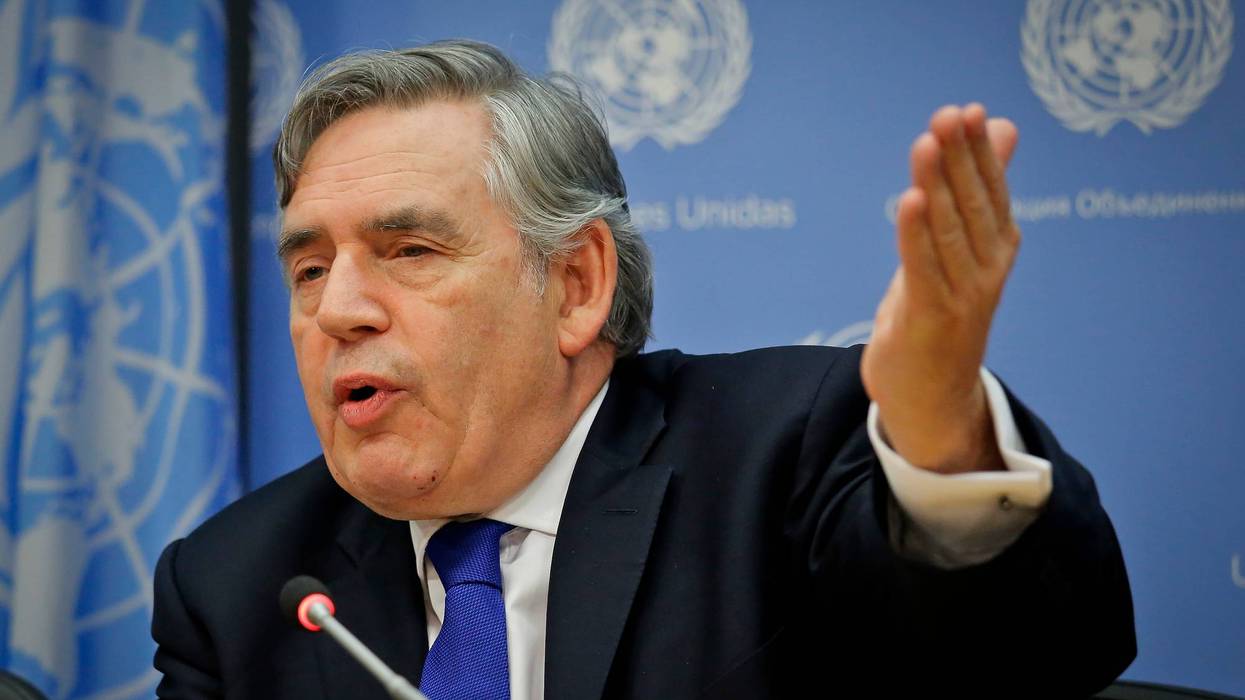
Gordon Brown, the former British prime minister is now the U.N. special envoy for global education. He said Thursday that 273 million children are not in school and 270 million others are at school but aren’t learning enough to read and write or be proficient in arithmetic by age 11. Many of them are in areas affected by conflict or climate change, he said.
“The message, I think, is clear," he said. “Instead of the world developing only some of the potential of some children in some countries, we must be determined to develop the potential of all children at all times in every country.”
Governments whose children are not in school must be reminded, he said, that they promised 20% of their spending would go to education, and to remind countries giving aid that in 2015 they signed up for U.N. development goals including achieving quality education for all children by 2030. “We’re so far away from the goal."
Brown said it’s disappointing that the numbers of children not going to school isn’t falling and the message is clear: “If you deny a child the basic right to education, you are doing something that will affect their whole life and, indeed, the life of the family around them."
But the gathering of global leaders did produce some results.
At an event Wednesday, the Global Partnership for Education said $3.5 billion was mobilized from partners and funds to support over 90 lower income countries in transforming their education system to provide quality learning.
It said $2.1 billion came from confirmed and anticipated pledges from governments and private donors, and $1.4 billion in co-financing -- $1 billion from development finance institutions and $400 million from a growing coalition of philanthropic and private sector partners.
Investments can reach where they're needed most
Nigerian President Bola Tinubu, co-host of the campaign, said the funding empowers “dynamic and youthful nations like Nigeria to break down the barriers that keep our children, especially our girls, out of school and away from learning, so they can achieve their full potential.”
Education Cannot Wait, which Jalbout heads, focuses on the 258 million school-age children worldwide affected by crises – “far greater than the number that we are able to reach.”
She announced a $3 million emergency investment for children in Gaza and the West Bank to help up to 13,000 of the most vulnerable children and adolescents — with priority given to those with conflict-related injuries and disabilities and to youngsters who have lost parents and are unaccompanied or separated.
Gaza now has more child amputees per capita than anywhere in the world. “For these children," Jalbout said, "survival is only the beginning — a child who has survived this war, lost a limb and perhaps lost their family should not also lose their future because we failed to organize around their needs.”
But the enormous needs far outstrip the funds. For a third year, she said, 660,000 children remain out of school in Gaza, and some 70,000 of the youngest have no access to preschool. Elsewhere, she said, the organization gave $1 million to help children from Nepal’s recent devastating floods start learning again.
During her recent Sudan trip, she said she announced $22 million in funding to help several hundred thousand children — but there are 8 million youngsters out of school.
___
Edith M. Lederer has covered international affairs for The Associated Press for more than a half century.