


Heavy rains that left large swaths of Florida's Atlantic coast under water this week and led to dozens of rescues moved into the northeastern part of the state on Friday, causing more flooding and calls to help people trapped by the deluge.
The National Weather Service posted flood warnings and watches stretching around 200 miles (320 kilometers) from just south of Melbourne to the Jacksonville area. Additional rainfall of 2 to 6 inches (5 to 15 centimeters) was expected through Saturday, while some areas could see up to a foot (30 centimeters) of added rain.
“Severe, widespread flash flooding is expected,” the weather service said in a Friday forecast. “In addition, areas that normally do not experience flash flooding will flood. Furthermore, lives and property (are) in great danger.”
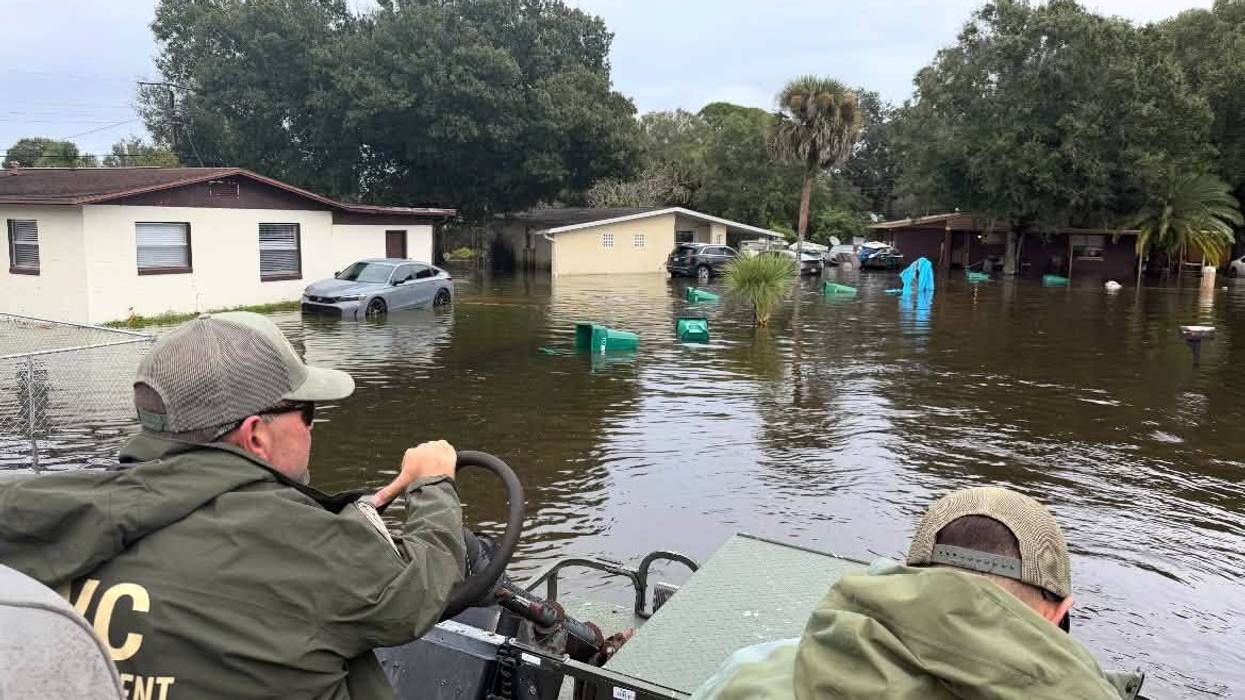
Water rescues continued Friday. In the Florida Shores neighborhood of Edgewater, police trudged through knee-deep floodwaters pulling a small boat as they took some people to dry ground. To the south in Brevard County, authorities navigated flooded streets with airboats as they responded to calls and looked for people who may need help, a day after conducting nearly 100 high-water rescues.
The St. Johns River, Florida's longest, rose above a record level Thursday near Cocoa that was set in 1953. The river is forecast to stay at least 2 feet (61 centimeters) above flood stage through early next week, the weather service said.
Florida’s east coast has been soaked with rainfall totaling more than 17 inches (43 centimeters) in some areas since Tuesday, according to preliminary totals by the weather service. That’s in addition to heavy rains that fell earlier this month. Several places have already seen their wettest November on record.
Flooding is disrupting Thanksgiving plans
Sara Hernandez had just decorated her house for the holidays and bought all her groceries for Thanksgiving. Then her house in Cocoa, Florida, flooded, and now she doesn’t know what she and her family will do. Water rose up to her front and back doors Thursday morning, and by Friday morning there were a couple of inches of water in the house, she said.
“I have never ever seen this much water in the 25 years I’ve been in Florida,” she said in a messaging app. “It’s never flooded here.”
Hernandez, who owns a cleaning business, said it will be difficult getting the water out, and she has no money to replace the appliances. She wanted her four kids’ holiday to be magical, but she doesn’t even know where they will be for Thanksgiving.
“At least we are safe and dry,” she said from her brother-in-law’s house.
The entire Eastern Seaboard could see rain during the holiday week as millions of Americans plan to travel.
The low-pressure system producing the heavy rain in Florida was expected to move northeast and impact the coasts of Georgia and the Carolinas during the weekend, said Scott Kleebauer, a meteorologist with the weather service's Weather Prediction Center in Maryland. Then another Atlantic system could move in and dump rain from the mid-Atlantic to New England on Sunday and Monday, he said.
The second system could become a subtropical or tropical storm and is expected to bring strong winds, dangerous surf and coastal flooding to the southeast and mid-Atlantic coasts into early next week.
Forecasters also are tracking the possibility of a third coastal system developing midweek, moving from the Southeast to New England.
“That one seems to have a chance to be a little bit more of a potent system. That one could definitely have some impacts especially on Wednesday and Thanksgiving Day,” Kleebauer said.
Hundreds of emergency workers are responding to the historic flooding
Nearly 200 Florida National Guard personnel with 50 high-water vehicles have been deployed to help up and down the coast, the Division of Emergency Management said. Other responding agencies included about 235 officers with the Florida Fish and Wildlife Conservation Commission.
This week’s storms have been fueled by persistent high pressure over Virginia and a low-pressure system and an associated stationary front in the Gulf, which together have pushed a steady onshore flow across the Florida Peninsula.
They're an offshoot of El Niño, the natural warming of the Pacific near the equator that warps weather patterns worldwide. Florida’s dry season typically runs from October to May.
Forecasters said El Niño conditions are expected to persist through the spring.
The California coast, from the Los Angeles to San Francisco areas, was also swamped with flooding in many areas this week, leaving neighborhoods under water and forcing some drivers to abandon stalled vehicles in floodwaters. A long stretch of the coastal Highway 1 was closed south of the Monterey Peninsula due to rock and mud slides.