


JOHANNESBURG (AP) — Migrants affected by protests against illegal immigration in South Africa have suffered devastating impacts to their health as they avoided visiting medical facilities or left the country to avoid violence in recent months, aid groups said Wednesday.
Many migrants who had been receiving medication in South Africa for HIV, tuberculosis and other ailments have had their treatment severely disrupted, they said.
Children, pregnant women and people traveling with newborns have been among the most affected, while others suffered physical injuries and illnesses including respiratory infections, high blood pressure and gastrointestinal issues during rushed journeys home from South Africa, they said.
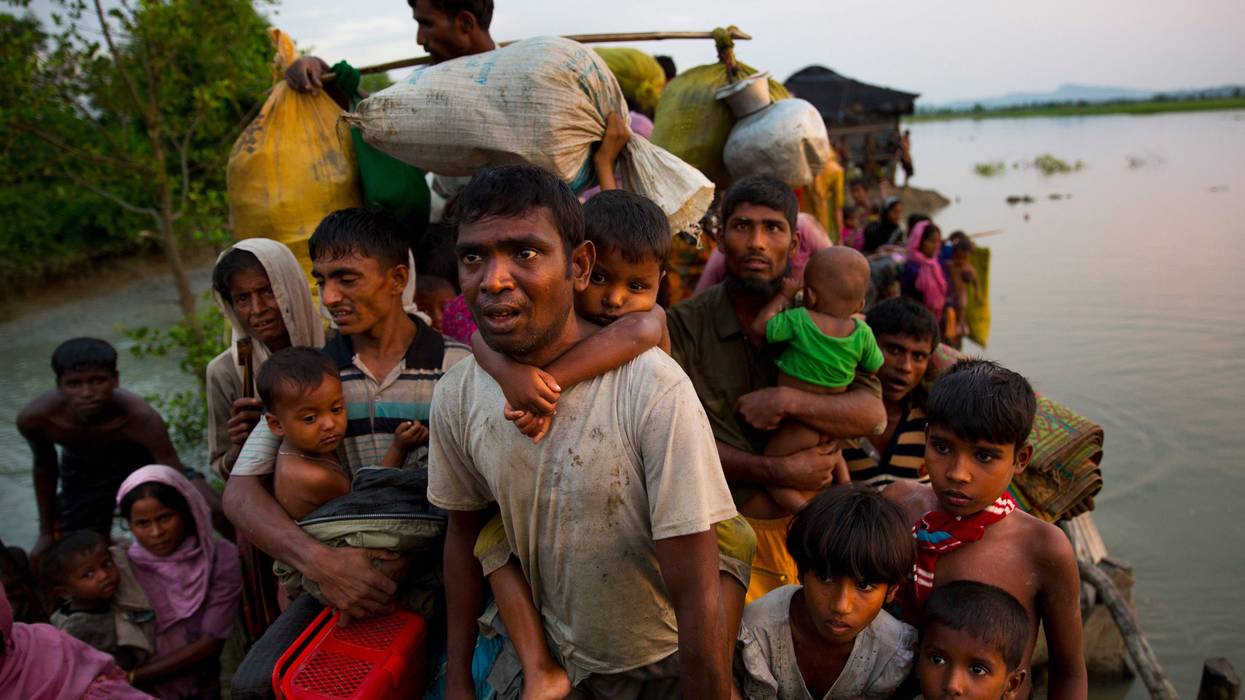
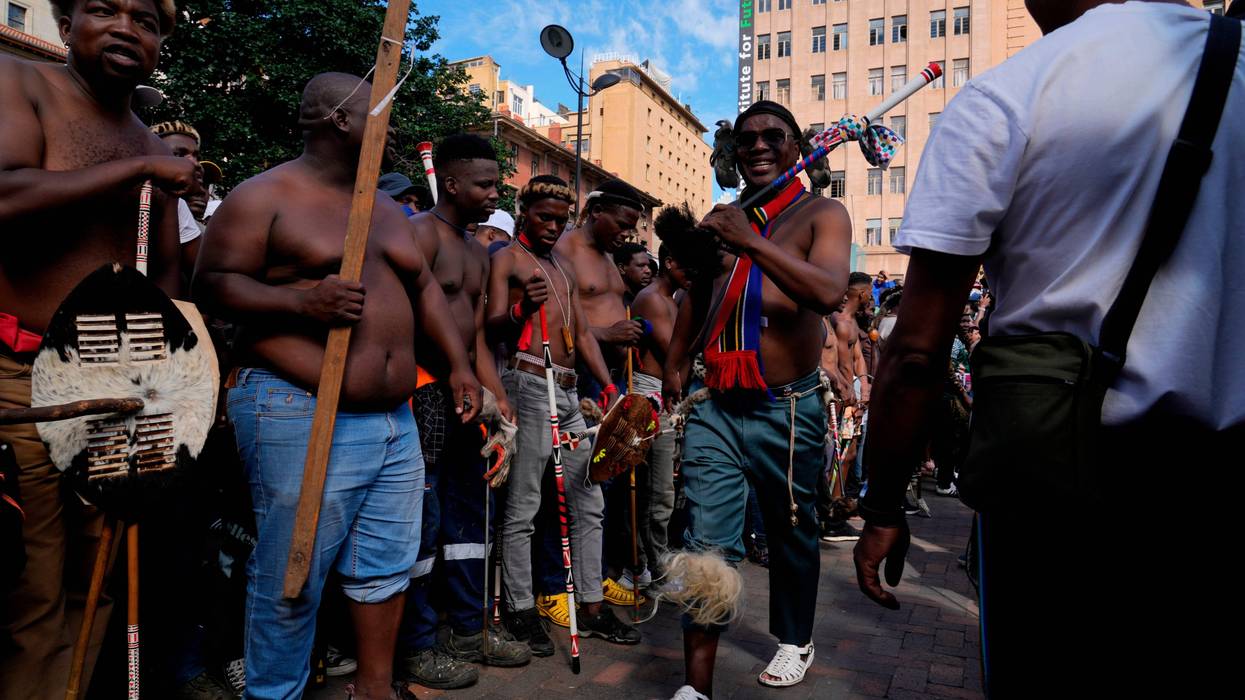
South Africa has been gripped by anti-illegal migration protests accusing foreigners in the country illegally of committing crimes, stealing jobs amid high unemployment and overburdening public services. Tens of thousands have voluntarily repatriated to their home countries including Malawi, Nigeria and Ghana. Some fled after violent attacks.
Some protesters have blocked foreigners from accessing clinics and other public health facilities, claiming they are exclusively reserved for South Africans even though the law allows foreigners to receive treatment there.
“Many migrants at displacement sites reported not accessing healthcare for many months, and up to a year in some cases, due to fear of being turned away or harmed," said Claire Waterhouse, the Doctors Without Borders advocacy director for Southern Africa.
Patients with chronic infectious diseases including HIV or TB had defaulted or were close to defaulting on their treatment regimens, causing high distress and worsening illness and increasing the risk of resistance in wider populations.
Doctors Without Borders has been among the aid organizations supporting the migrants, setting up sites in Cape Town and Johannesburg and also in the town of Musina near the border with Zimbabwe.
In Zimbabwe, a site was set up at the Beitbridge border post and the Nyamapanda border between Zimbabwe and Mozambique where migrants who had left South Africa received treatment.
Khanyisa Mapipa, an attorney with rights group Section27, said the organization is pursuing a legal case against the Gauteng department of health and the city of Johannesburg.
“In December 2025, we obtained a court order compelling the respondents to put together a plan to ensure that patients are able to enter facilities. The second part of the application is pending," said Mapipa.
Meanwhile, aid groups and district health offices had to create parallel health systems to keep people from going without treatment, especially those with chronic illnesses, she said.
The groups have called on other governments to make adequate arrangements for reintegrating their citizens into their healthcare systems, and for chronically ill people leaving South Africa to be given adequate supplies of medication to maintain continuity of care.