

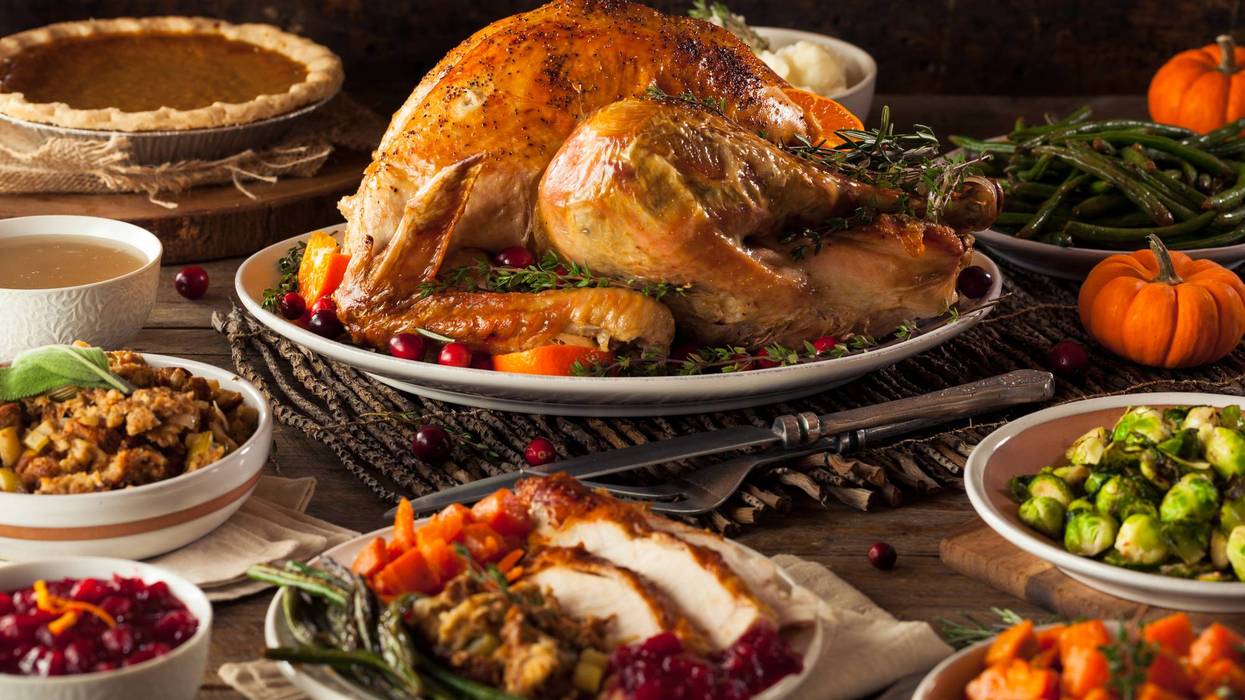

As families prepare to gather for Thanksgiving, the Kansas State Fire Marshal’s Office is reminding Kansans to take precautions in the kitchen to prevent cooking fires. Between 2019 and 2025, Kansas recorded 24 Thanksgiving Day cooking fires. According to the National Fire Protection Association, Thanksgiving is the leading day of the year for home cooking fires in the United States.
In 2024, U.S. fire departments reported an estimated 1,139 home cooking fires on Thanksgiving Day, a 321 percent increase over the daily average. Christmas Day and Christmas Eve ranked second and third, respectively, for home cooking fires. Cooking is also the leading cause of reported home fires. According to NFPA data, an annual average of 80 percent of all fires reported to U.S. fire departments on Thanksgiving from 2020 through 2024 involved cooking equipment. Those fires accounted for 35 percent of the associated civilian injuries. No civilian deaths were reported in Thanksgiving fires during those five years.
“Thanksgiving is a time to gather with family and friends, but a busy kitchen can quickly become a dangerous one. With multiple dishes cooking and distractions from holiday activities, it’s easy to lose track of what’s on the stove or in the oven,” said Mark Engholm, Kansas Fire Marshal. “Stay attentive, never leave cooking unattended, and keep anything that can catch fire away from heat sources. Remember to have working smoke and carbon monoxide alarms in the home.”
The NFPA offers the following tips to help keep families safe while preparing Thanksgiving meals:
-Stay in the kitchen when cooking on the stovetop. Foods being fried or sautéed in oil require continuous attention.
-Stay home while cooking a turkey. Check it regularly throughout the cooking process.
-Use timers to keep track of cooking times, especially for foods that require longer cooking periods.
-Keep flammable items at least three feet away from the cooking area. This includes oven mitts, wooden utensils, food wrappers and towels.
-Avoid loose clothing and long, hanging sleeves that could come into contact with a heat source.
-Keep a lid near the stove when cooking. If a small grease fire starts in a pan, slide a lid over it to smother the flames and turn off the burner. Leave the lid in place until the pan has completely cooled. Never use water on a grease fire.
-If an oven fire occurs, turn off the heat and keep the oven door closed. If you have any doubts about whether the fire is out or are concerned about your safety, get out and call 911.Keep children and pets at least three feet away from the stove and areas where hot food or drinks are being prepared or carried. Place hot foods and liquids away from the edges of tables and counters.
-Don’t overload outlets with cooking appliances. Spread appliances across separate circuits to balance the load. Avoid running every high-draw device at the same time and unplug appliances when not in use.
-Have an evacuation plan ahead of time. Identify two ways out of every room and pick a meeting spot away from the house.
The NFPA also strongly discourages the use of turkey fryers that use cooking oil because of the risk of serious burns and fires. Safer alternatives include oil-free infrared fryers, air fryers, and electric turkey fryers. Families can also consider purchasing a fried turkey from a grocery store or restaurant. For additional Thanksgiving cooking safety information, visit the National Fire Protection Association's Thanksgiving safety page.