

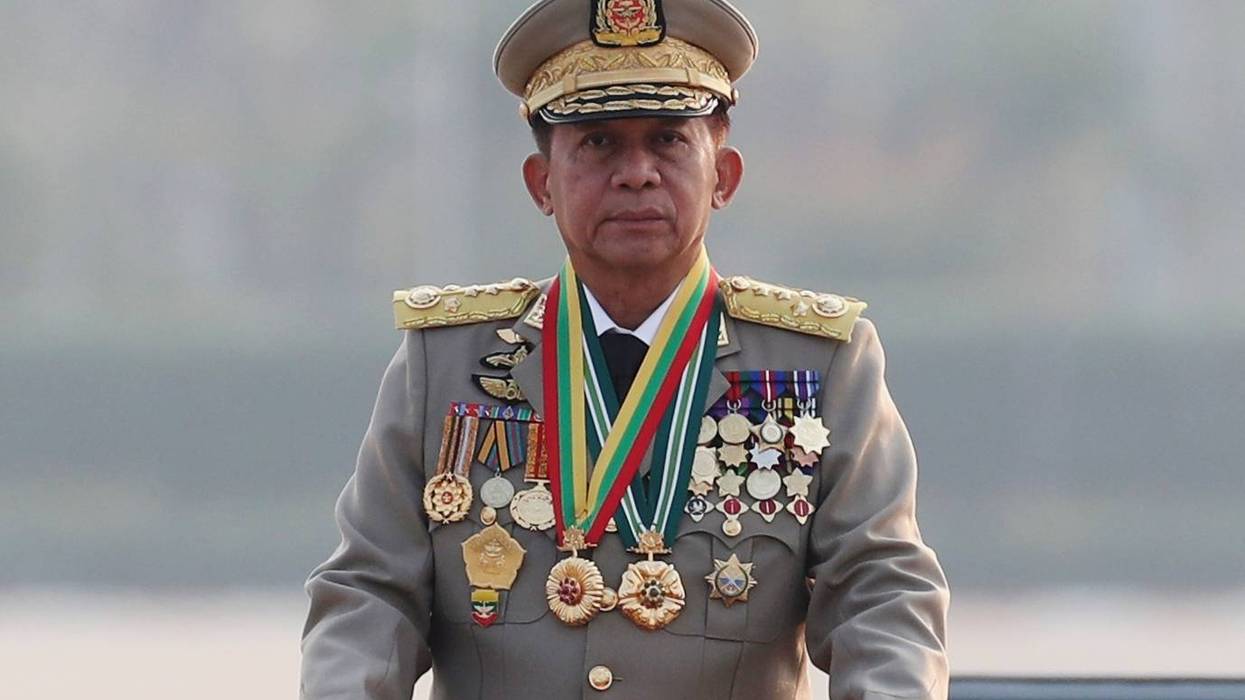

BANGKOK (AP) — Myanmar’s parliament on Friday elected Min Aung Hlaing, a general who ousted Aung San Suu Kyi’s civilian government in 2021 and kept an iron grip on power for the past five years, as the country’s new president.
The move marks a nominal return to an elected government but is widely considered as an effort to keep the army in power after an election organized by the military that opponents and independent observers deemed neither free nor fair, and as civil war rages.
Transitioning to an elected government is also seen as a way to improve frosty relations with some Southeast Asian neighbors following the military takeover. China and Russia have supported the military administration, while Western powers imposed sanctions.
Min Aung Hlaing won an expected lopsided victory
Min Aung Hlaing was one of three nominees for the president’s post, but was virtually guaranteed the job as lawmakers from military-backed parties and appointed members from the army hold a commanding majority in parliament.
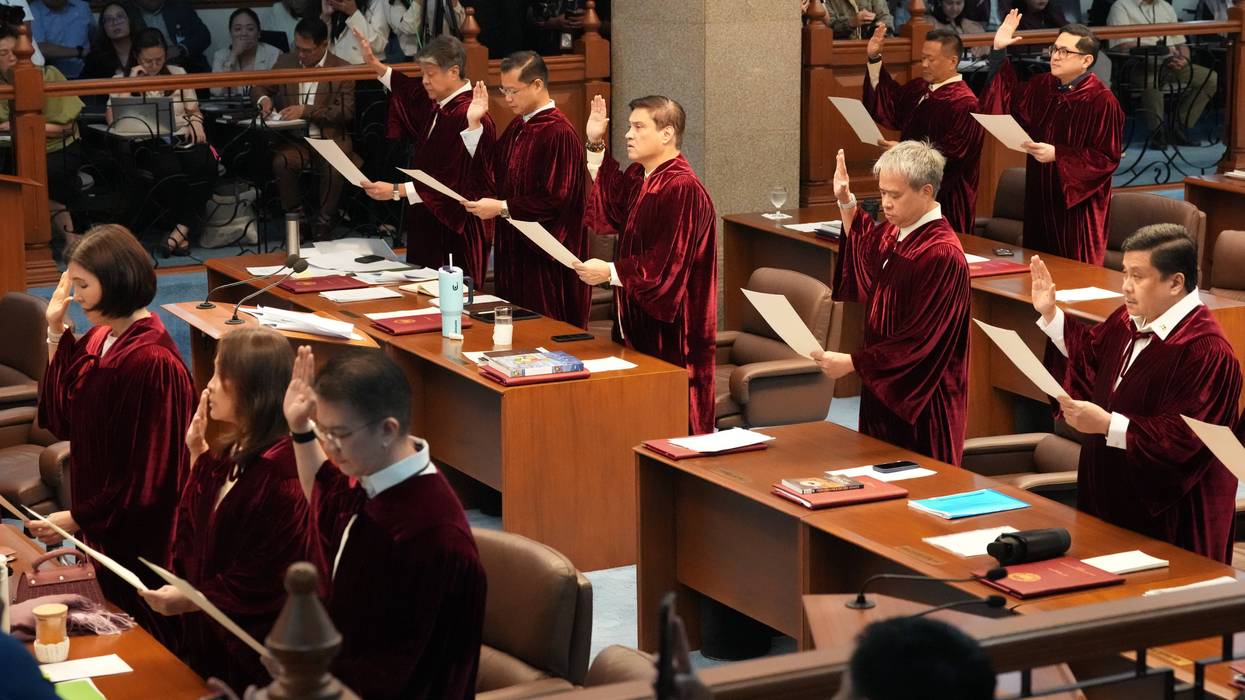
The vote was held in the newly renovated parliament building in the capital, Naypyitaw, which was damaged in last year’s earthquake.
Aung Lin Dwe, speaker of parliament’s combined upper and lower house, announced that Min Aung Hlaing won 429 out of the 584 votes.
The two runners-up become vice presidents. Nyo Saw, a former general, had served as an adviser to Min Aung Hlaing, and Nan Ni Ni Aye, an ethnic Karen politician from the pro-military Union Solidarity and Development Party, will be the country’s first female vice president. All three are expected to be inaugurated next week.
Min Aung Hlaing, who holds the rank of senior general, earlier this week relinquished his post of commander-in-chief because the constitution prohibits the president from simultaneously holding the top military position. A close aide, Gen. Ye Win Oo, took over the powerful job.
Meanwhile, much of the country remains enmeshed in a bloody civil war.
Opposition group says struggle for real change continues
Nay Phone Latt, a spokesperson for the National Unity Government — Myanmar’s main opposition organization, which views itself as the country’s legitimate government — charged that Min Aung Hlaing is responsible for numerous war crimes, and his easy assumption of the presidency proved that the political change some countries had hoped for will not materialize.
“Myanmar people do not accept it. The revolution will continue with great momentum,” he told The Associated Press..
The 69-year-old Min Aung Hlaing had been the military chief since 2011. Under the military-imposed constitution, he held significant powers even before overthrowing Suu Kyi’s government.
Parliament members were elected in three phases in December and January. Major opposition parties, including Suu Kyi’s former ruling National League for Democracy, were either blocked from running or refused to compete under conditions they deemed unfair. Suu Kyi, 80, is serving a 27-year prison term on charges widely viewed as politically motivated.
Myanmar was under military rule from 1962 to 2016, when Suu Kyi’s party won a landslide election victory. It won an even greater mandate in the 2020 polls, but the army staged a takeover in 2021 before the new parliament could convene.
Peaceful protests against military rule were then put down with deadly force, pushing pro-democracy activists to turn to armed resistance and ally themselves with ethnic minority groups who have been battling for greater autonomy for decades.
Deadly repression birthed ongoing civil war
Security concerns meant voting in the recent election could be held in only 263 of the country’s 330 townships.
Nearly 8,000 activists and civilians have been killed since the 2021 army takeover, and some 22,872 political detainees are imprisoned, according to the Assistance Association for Political Prisoners, an independent group that tracks rights violations.
The military’s major reliance on airstrikes — 1,140 strikes in 2025 alone, according to the U.S.-based Armed Conflict Location & Event Data Project — accounts for hundreds of civilian casualties.
“If Min Aung Hlaing thinks that an official civilian title will shield him from prosecution for the many grave violations of international law that he is accused of overseeing as head of the military, that is not how international justice works," Amnesty International Myanmar researcher Joe Freeman said in statement.
The International Criminal Court in The Hague in 2024 began an investigation into charges of crimes against humanity after the chief prosecutor applied for an arrest warrant for Min Aung Hlaing over the military’s brutal persecution of the Rohingya minority.
At long-awaited hearings at the International Court of Justice in January this year, Myanmar defended itself against accusations that it was responsible for genocide against the Rohingya. The West African country of Gambia first filed the case in 2019.