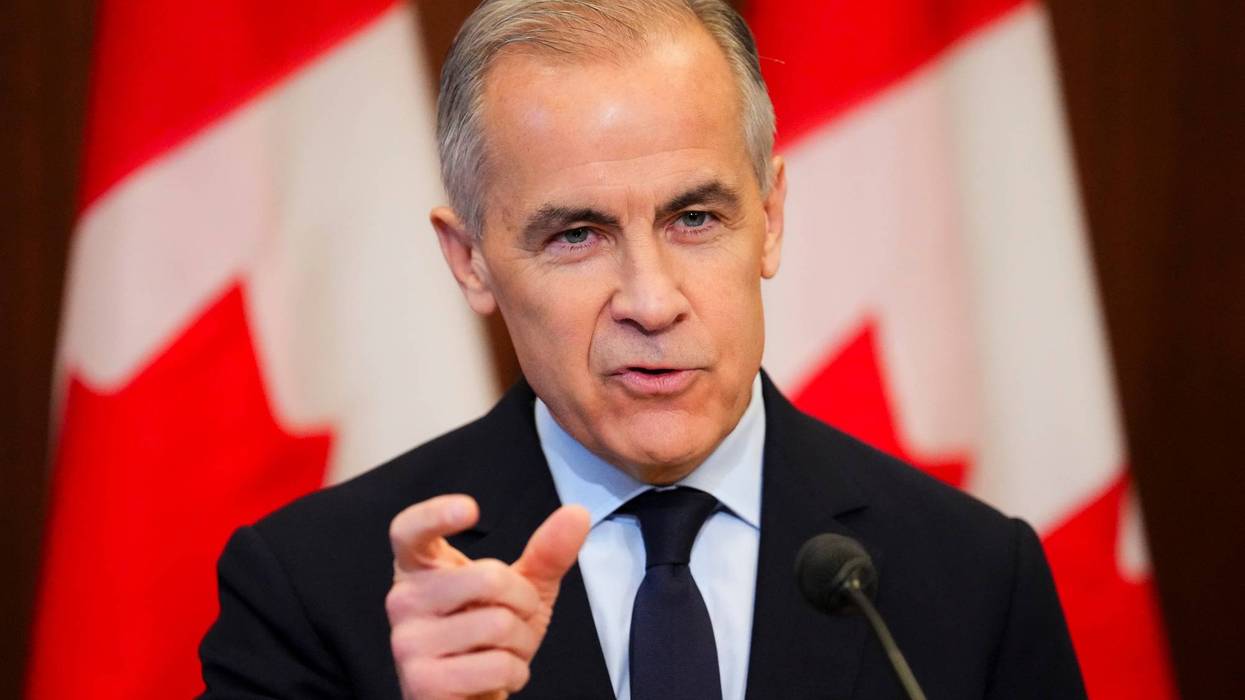



In a potentially transformative move for the beef industry, U.S. Secretary of Agriculture Brooke Rollins said USDA is evaluating a phased-in strategy to reopen the border to Mexican cattle imports. This announcement, made during the Texas and Southwestern Cattle Raisers event in Fort Worth, comes at a critical time for the industry, as domestic cattle numbers continue to dwindle.
While there has been no official announcement, industry leaders are weighing the risks and rewards of this pivotal decision.
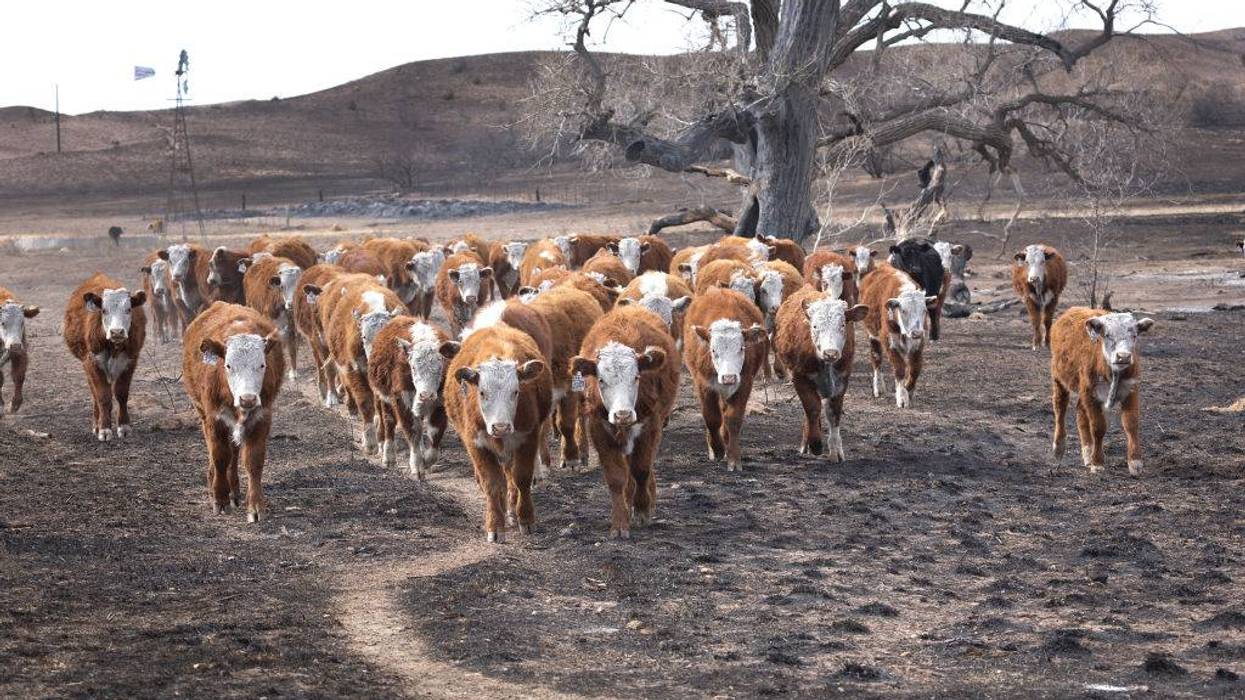
North Texas cattleman and business owner Lee Wells emphasized that the industry is far from its low point, but without a concerted effort to retain heifers and rebuild herds, the nation's cattle resources will continue to drain. One of the most immediate solutions, according to Wells, is the reopening of the Mexican border to cattle imports, which in the past has seen upwards of 1.2 million live cattle enter the U.S. annually to be raised, finished, and integrated into the domestic beef supply.
The border has been effectively closed since late 2024 over concerns about the deadly New World Screwworm pest. This parasite, known for its flesh-eating larvae, is a significant threat that the U.S. battled in the 1960s. However, Wells points out that many states in Mexico have never seen a screwworm fly, presenting an opportunity to import "clean" cattle under rigorous safety standards.
He tells KRLD that the U.S. beef industry currently stands at a crossroads, with two distinct choices for its future:
Reopen the Border to Live Cattle: This path involves importing live cattle from Mexico and raising them to U.S. standards, utilizing domestic feed, vaccination schedules, and processing methods. He said this approach allows the U.S. to maintain control over the quality and safety of the beef while bolstering domestic herd numbers.
Wait and Import Processed Beef: If the border remains closed to live cattle, he said the U.S. may eventually be forced to rely on boxed beef from Mexico, processed in Mexican plants according to their standards. This scenario would give Mexican processors more control over pricing, finishing, and packaging, potentially limiting the U.S.' ability to manage its own beef supply and quality.
Wells said the current surge in cattle futures prices has created an imbalanced ecosystem. While high prices may seem beneficial for cow-calf producers in the short term, they risk pricing beef off the menu for many consumers. Wells said he has already seen restaurants in his area replace beef dishes with more affordable proteins like redfish or pork chops. He stressed that the goal of reopening the border is not to return to the low prices of years past, but to find a sustainable middle ground. By increasing the supply of cattle, the industry can level out prices, ensuring that beef remains accessible to consumers while still allowing producers to remain profitable.
But he said that alone won’t fix the problem. He said the government needs to go further by giving producers a real incentive to hold back heifers and rebuild the herd. His idea is direct payments. He said sending ranchers an actual check and real money, similar to a disaster payment, would help offset the cost of keeping those animals instead of selling them at today’s high prices. He said a tax credit being proposed by some officials won’t get the job done. A credit is not immediate, and when cattle prices are this strong, he said it’s just not enough to change behavior.
The current surge in live cattle prices has created an imbalanced ecosystem
The current surge in live cattle prices has created an imbalanced ecosystem