

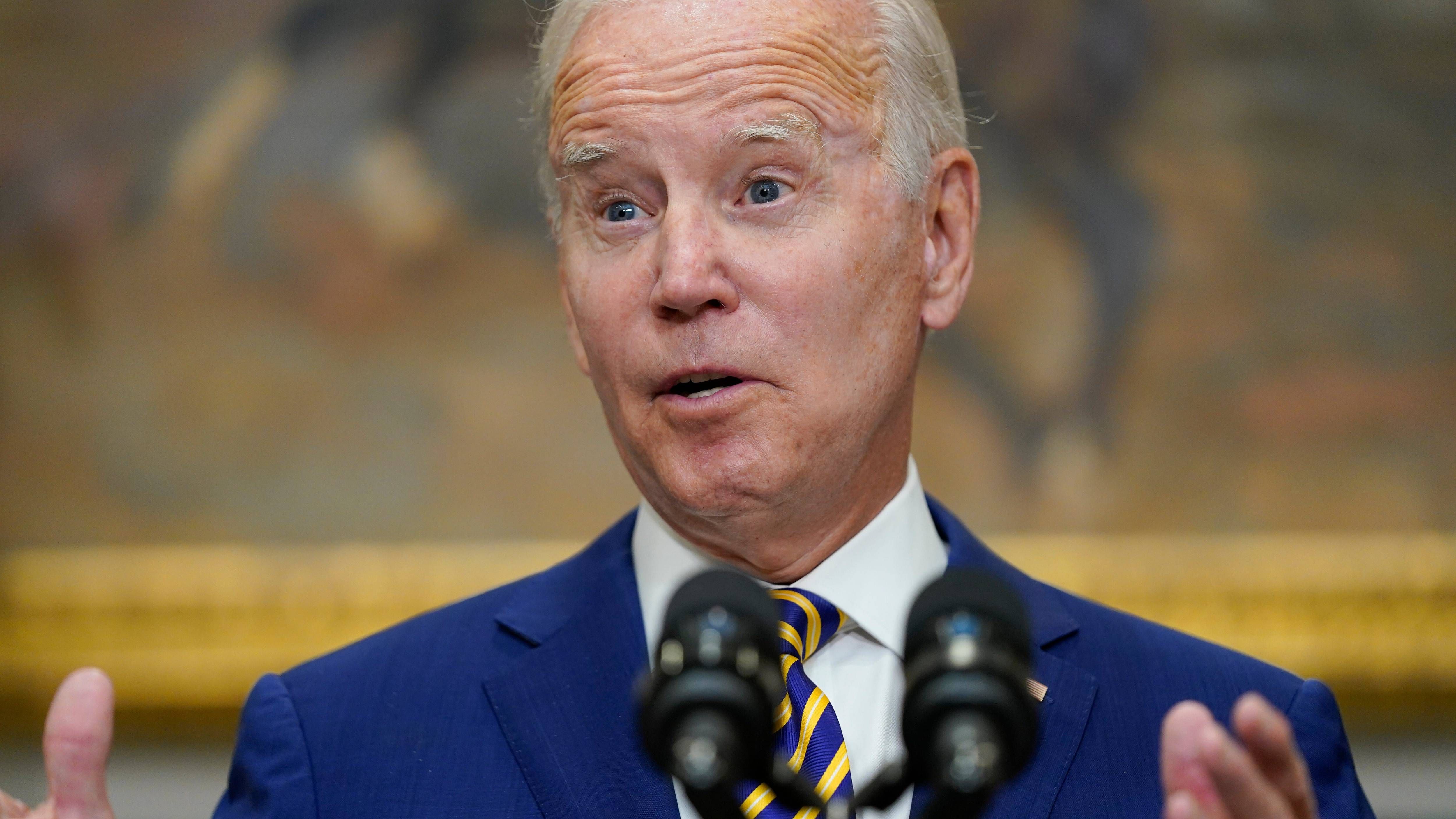
A non-profit that works with students from low-income or at-risk families says student loan forgiveness does not address a bigger issue facing kids who borrow money for college. Last month, President Joe Biden announced a plan that would provide up to $20,000 in loan forgiveness for people with Pell Grants and $10,000 for other loans. In both cases, eligibility is limited to individuals who make less than $150,000 a year or couples who make less than $250,000.
The non-profit, Scholar Shot, works with families in Texas to help students exit poverty through a college education or job training. Founder Dan Hooper says the government should instead focus on the colleges and universities before they offer a loan.
"It's a very flawed and very toxic system to put money into the pockets of our universities with no accountability," he says.
Hooper says schools may offer loans to teenagers and families that do not cover an entire year of tuition, but those families who receive money in the fall may not prepare for a bill in the spring.
"Eighteen, 19, 20 year olds are offered up seven to 15 thousand dollars in debt a year having no idea what that debt means," he says. "You can either pay it back or you die. That's the only way it gets reconciled."
The website, studentaid.gov, says 43% of student debt is in default or behind, and more than half belongs to students who left college without finishing a degree. Hooper says, of 360,000 students graduating high school in Texas each year, 46% attend college; 26% finish a degree.
He says only two of 38 state colleges and universities in Texas have mandatory financial literacy classes for borrowers; four have mandatory meetings with a financial counselor.
Hooper says high schools have started shifting their attitude. Previously, he says all kids were guided toward college. He says schools are starting to shift their attention to trades like carpentry, plumbing and electrical work that have a shortage of skilled workers.
"This is the Achilles' heel of Texas. We're the fastest growing economy in the country," he says. "We've got to educate our own kids to be ready for that demand."
But without changes, he says the United States is on a pace to reach $2 trillion in loans within six years. Hooper says colleges and universities must also change their lending practices so families better understand the terms they are signing up for ahead of time.
"We've got to stem the flow of these loans," he says. "Your customer is a student and the public, but those entities are so far down the line of priorities for a public or private university, students are ATMs from which they fund their programs. That's got to change."
More information about Scholar Shot is available at https://scholarshot.org/ .
 Audacy
LISTEN on the Audacy App
Tell your Smart Speaker to "PLAY 1080 KRLD"
Sign Up and Follow NewsRadio 1080 KRLD