



The average long-term U.S. mortgage rate rose this week for the first time since early October, reflecting a ramp-up in U.S. government bond yields amid signs that inflation is heating up.
The average 30-year fixed-rate mortgage in the U.S. rose to 7.28% from 7.11% last week, mortgage buyer Freddie Mac said Thursday. One year ago, the average rate was 6.26%.
The average rate eased in the four weeks heading into this week and hadn't increased since Oct. 8, when it hit 7.40%, its highest level in nearly three years.
Higher mortgage rates can add hundreds of dollars a month in costs for borrowers, limiting homebuyers’ purchasing power at a time when affordability challenges continue to sideline many aspiring homeowners.
Borrowing costs on 15-year fixed-rate mortgages, often sought by borrowers refinancing a home loan, also rose this week. That average rate climbed to 6.66% from 6.45% last week. A year ago, it was at 5.54%.
Rates on home loans are influenced by inflation, Federal Reserve policy and bond-market investors’ expectations for the economy, among other factors. They generally follow the trajectory of the 10-year Treasury yield, which lenders use as a guide to pricing home loans.
That yield had been mostly trending lower since early October, after climbing to its highest level since 2002, but it has been rising again following new data showing hotter inflation. The 10-year Treasury yield was at 5.05% at midday on the bond market Thursday.
The signs pointing to accelerating inflation have raised the odds that the Federal Reserve will hike its key interest rate at its next meeting in December. The central bank kept rates unchanged late last month, after raising them in September.
While the Fed doesn’t set mortgage rates, its decisions to raise or lower its short-term rate are watched closely by bond investors and can ultimately influence rates on home loans.
“The debate has shifted from whether the Fed hikes in December to how aggressively it moves,” said Anthony Smith, a senior economist at Realtor.com. “That is a tough backdrop for mortgage rates heading into what is already a seasonally slow stretch for the housing market.”
Mortgage rates have been marching higher overall since late February, when the U.S. war with Iran began, pushing up the price of oil and driving inflation higher.
In late February, the average rate on a 30-year mortgage briefly dipped to 5.98%, its lowest level going back to late 2022. Going by the latest average rate, a home shopper financing a $400,000 home loan is now paying roughly $343 more a month than when the rate was just below 6%.
Elevated home loan borrowing costs have weighed on home sales this year, deepening a national housing slump that dates back to 2022, when mortgage rates began to climb from pandemic-era lows. Sales of previously occupied U.S. homes were essentially flat last year, stuck at a 30-year low. They declined last month to their slowest annual pace in more than 16 years as mortgage rates surged.
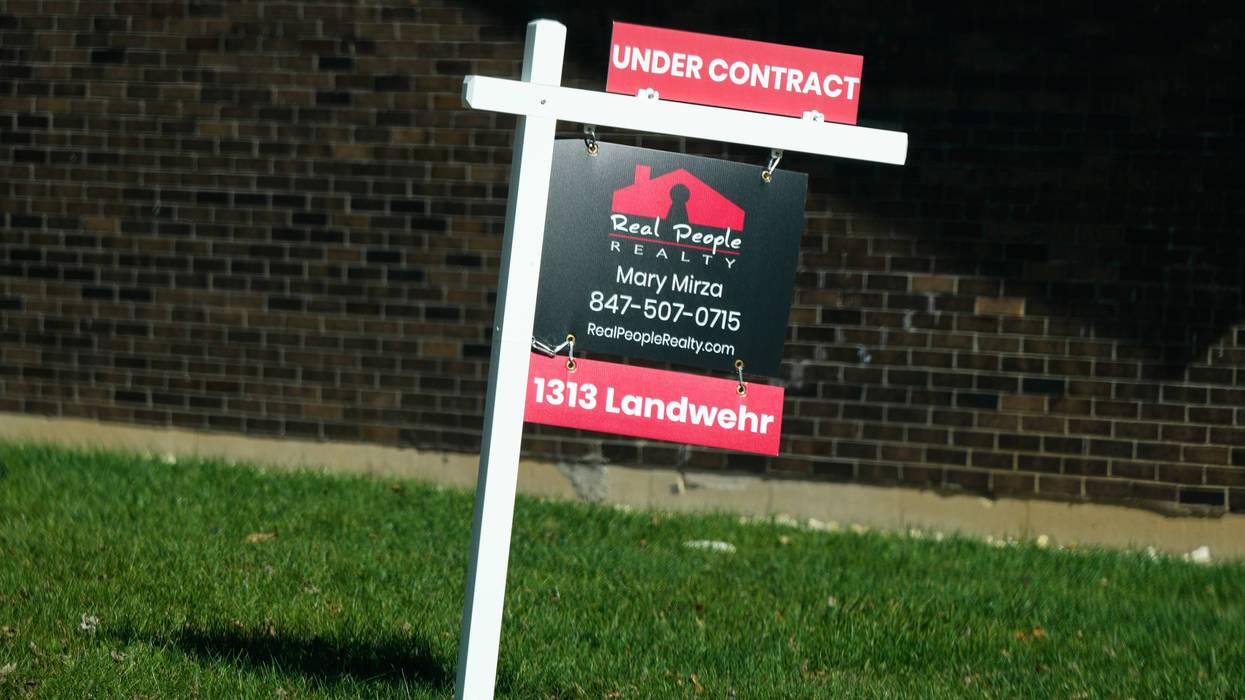
And the latest monthly tally of home purchase transactions that have yet to be finalized points to potentially more sluggish home sales in coming months.
Pending U.S. home sales fell 4.7% last month from September and sank 16.7% from October last year, the National Association of Realtors said Wednesday. There’s usually a month or two lag between a contract signing and when the sale is finalized, which makes pending home sales a near-term bellwether for the housing market.