

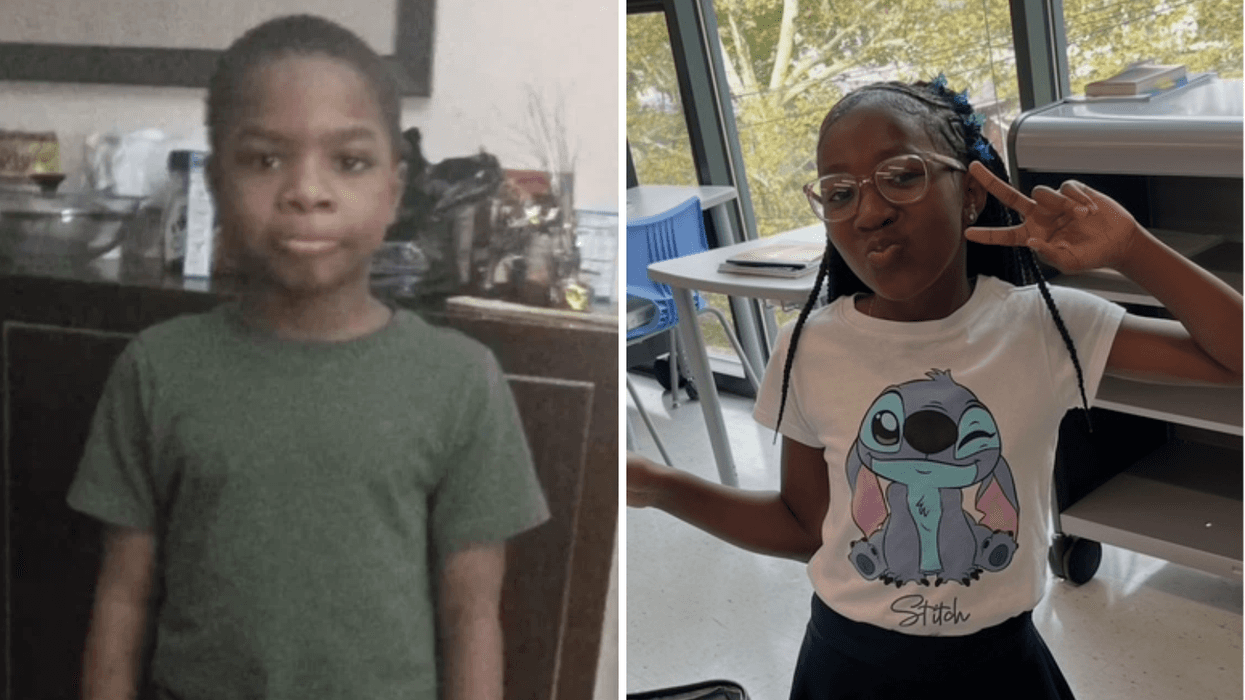

PHILADELPHIA (KYW Newsradio) — Within the last few weeks, two Philadelphia children in the city’s Department of Human Services system went missing. One was found dead; the other was found alive and safe.
Ten-year-old Malayshia Allford was last seen alive on Oct. 22. She was reported missing just days later, and on Nov. 5, her body was found in the trunk of a car at an apartment complex in Lindenwold, New Jersey. The New Jersey Medical Examiner's Office determined the cause of death was blunt force trauma, and it was ruled a homicide. Her foster mother, 36-year-old Carprice Williams, has been charged with her murder — accused of beating Malayshia to death.
A little more than a week after Malayshia’s body was found, 7-year-old Franklin Gibson was reported missing on Nov. 14. The child was with a social worker when his mother, 38-year-old Lynn Chamberlain, took him. According to the allegation, the child was put into her vehicle. Officials said Chamberlain does not have custody of Gibson. He was later found safe inside an apartment on the 7100 block of Ogontz Avenue with his 11-year-old sister, who was also reported missing. The mother has since been arrested and charged with kidnapping.
So, how exactly do city officials handle reports of missing kids in Philly’s DHS system?
DHS Commissioner Kimberly Ali said there is a process. First, the guardian calls police, then they email the DHS chain of command.
“At the same time, as we have our police involved and our private investigator in certain situations, we also have a social worker who goes to all the last known addresses to check to make sure the young person was in school. Oftentimes, when a young person runs away, we tend to know where the young person is,” Ali said.
Deputy Police Commissioner Frank Vanore said the Police Department receives nearly 2,000 reports a year of missing juveniles. About 95% quickly return — many run away for some time.
“It's still a dangerous category when it's a juvenile, but we know somebody didn't involuntarily take the child.”
He said they can tell whether a child could be in harm's way, and that’s when they sound the alarm.
“Anytime we have a picture, we'll present that picture and put it up there with the best story we have, best description we have. It doesn't always become news,” Vanore said.
Vanore noted that the juvenile category gets split up. Ten and under is considered a “tender age,” and that sets off more alarms.
City council has held one hearing on Allford’s death, grilling DHS officials, with another one planned. No date has been set yet.