




The U.S. Senate unanimously passed a bill to make Juneteenth a federal holiday Tuesday.
The holiday celebrated on June 19 commemorates the end of slavery in the United States. President Abraham Lincoln issued the Emancipation Proclamation on January 1, 1863. It took two and a half years for news of their freedom to reach Black slaves in Galveston, Texas on June 19, 1865.
The Senate bill initially faced an objection from Sen. Ron Johnson (R-Wis.). The Republican blocked the bill from passing last year. Today he announced he would no longer stand in the way.
"While it seems strange that having taxpayers provide federal employees paid time off is now required to celebrate the end of slavery, it is clear that there is no appetite in Congress to further discuss the matter," said Johnson in a press release Tuesday. "Therefore, I do not intend to object."
Sen. Edward Markey (D-Mass.) said he believed marking Juneteenth as a national holiday would address the "long-ignored gap in our history, recognize the wrong that was done, acknowledge the pain and suffering of generations of slaves and their descendants, and finally celebrate their freedom."
The House of Representatives would still need to pass a similar bill. That legislation should move quickly through the lower chamber.
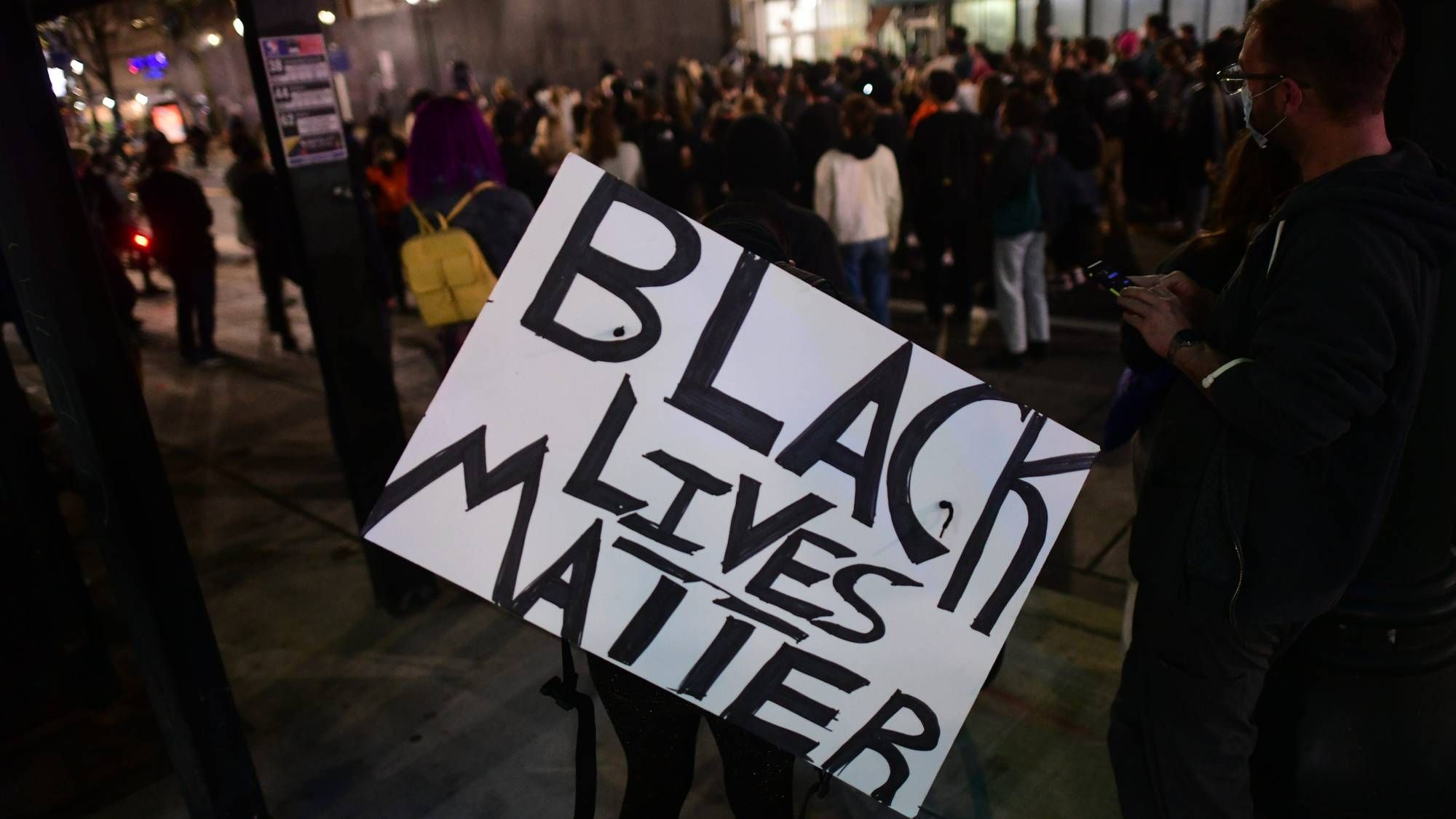
The last federal holiday added to the calendar was Martin Luther King, Jr. Day in 1983.
After several legislative bills passed this year, South Dakota is now the only state that does not recognize Juneteenth. Still, only a handful of states offer it as a paid holiday for state employees.