

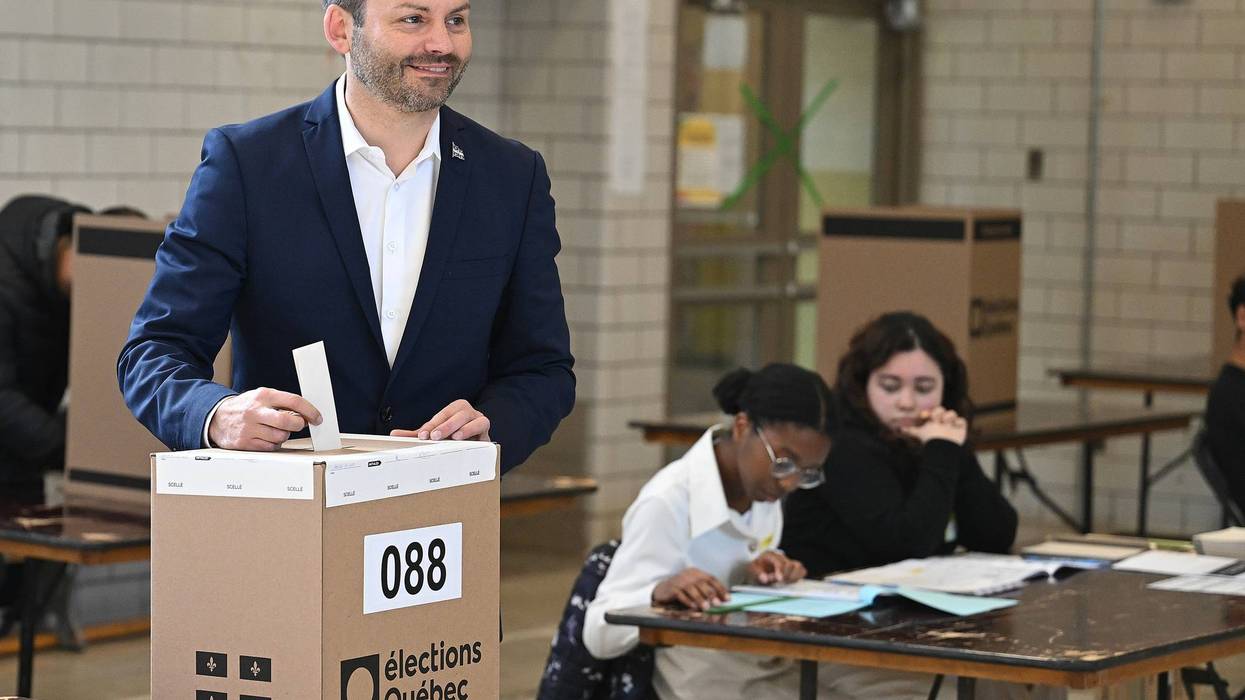

TORONTO (AP) — The separatist Parti Québécois won Quebec’s provincial election Monday, returning to power a party that has promised another referendum on independence from Canada.
The victory by Paul St-Pierre Plamondon’s party ends eight years of rule by the Coalition Avenir Québec and puts the question of Quebec’s future in Canada back at the center of provincial politics.
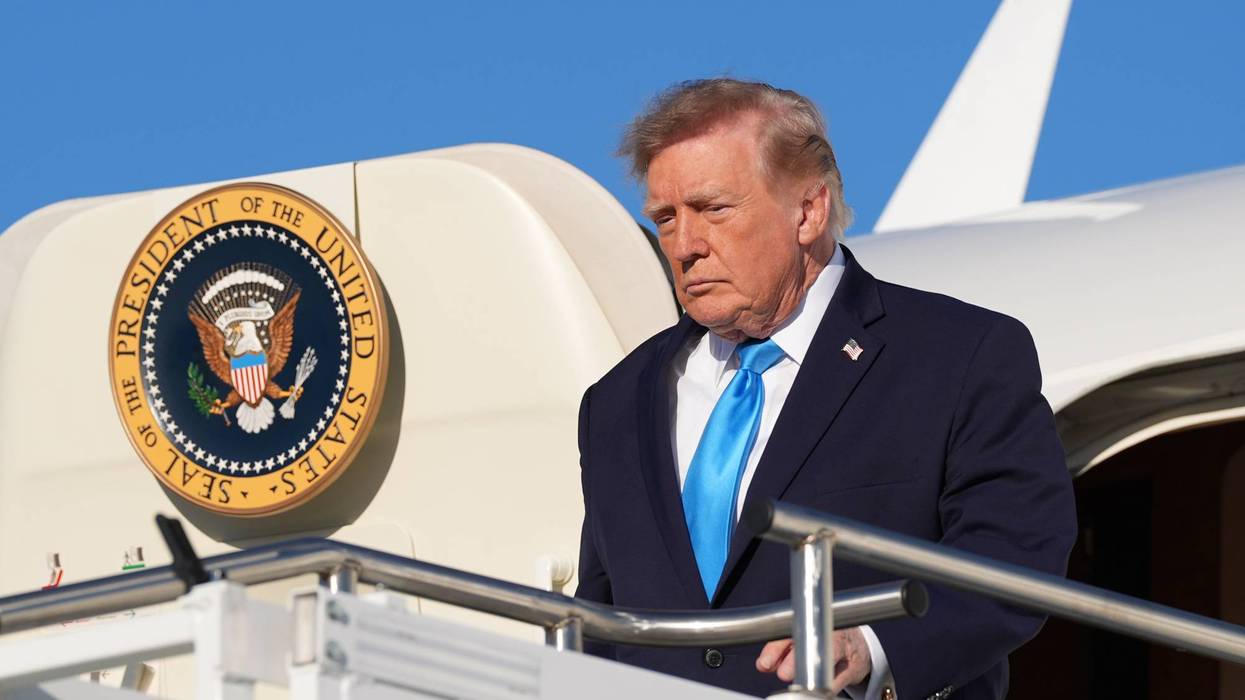
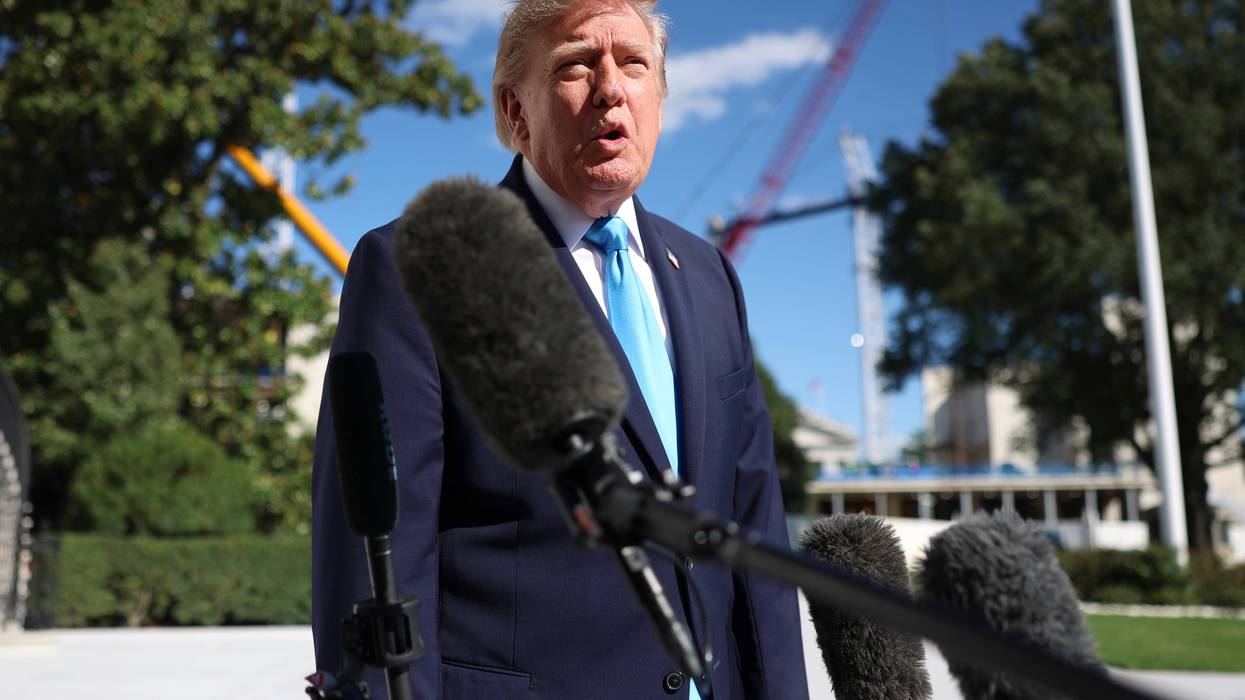
St-Pierre Plamondon has pledged to hold another referendum on independence, though he has said he would wait until U.S. President Donald Trump is no longer in office.
The PQ won the most seats in Quebec’s 127-member National Assembly, the provincial legislature, but it was not yet clear whether it would reach the 64 seats needed for a majority government.
If the PQ falls short of 64 seats, it would lead a minority government and need support from opposition lawmakers to pass key legislation and survive confidence votes.
Coalition Avenir Québec leader Christine Fréchette conceded defeat, saying voters had made their choice and that she took full responsibility for the “difficult result." The CAQ, which held 79 seats before the election, was at risk of losing every seat in the legislature.
But the PQ's victory does not mean most Quebecers support leaving Canada.
Daniel Béland, a political science professor at McGill University in Montreal, said the victory reflects Quebec’s multiparty system, where support is divided among several parties, rather than a surge in separatist sentiment. Support for independence remains at about 30%, low by historical standards, he said.
Béland said the result should not be viewed as a rejection of Prime Minister Mark Carney, who remains very popular in Quebec.
Still, Béland said a separatist government in Quebec represents a new national-unity challenge for Carney, particularly with another independence-related vote approaching elsewhere in Canada.
The Quebec result comes two weeks before Albertans vote Oct. 19 on whether to hold a referendum on separation from Canada.
“Seeing that a pro-independence party won in Quebec barely two weeks before an independence-related referendum takes place in Alberta might suggest to the Trump administration that national unity remains a major issue in Canada despite the popularity of Mark Carney,” Béland said.
Quebec voters have twice rejected sovereignty, most recently by a razor-thin margin in a 1995 referendum.
Quebec, which is about 80% French-speaking, already has significant autonomy. The province of 9.1 million collects its own income tax, has immigration policies favoring French speakers and has laws giving the French language priority over English.
Even with the PQ victory, Trump’s tariffs and 51st-state rhetoric have complicated the separatist argument by stirring Canadian nationalism and giving some French-speaking Quebecers another reason to value remaining part of Canada.
Trump’s tariffs and repeated threats against Canada became a defining issue in the 2025 federal election, helping lift Carney’s Liberals to victory after the party had trailed badly before Trump returned to office.