
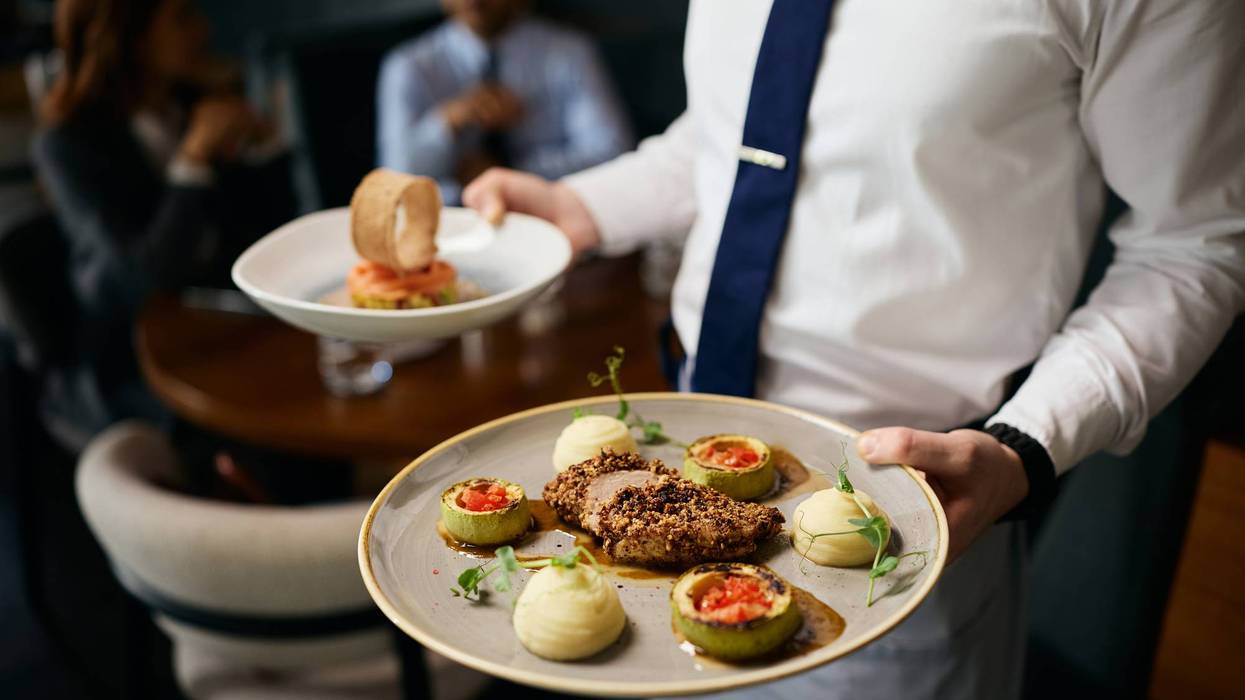

Americans are eating at restaurants far less frequently than they did before the COVID-19 pandemic, and the decline extends across income levels, according to new Gallup polling released in November 2026.
Just 39% of U.S. adults say they eat at a restaurant at least once a week, compared with 53% in 2019. The 14-percentage-point decline suggests a significant change in American dining habits that has persisted well beyond the pandemic.
Perhaps most striking is that higher-income households are cutting back, too.
Among upper-income Americans, weekly restaurant dining dropped from 65% in 2019 to 48% today. Middle-income Americans reported a similar decline, from 54% to 38%.
The findings suggest that reduced restaurant visits are not simply a matter of lower-income households struggling to afford meals away from home.
Americans are also becoming more occasional restaurant customers.
The percentage of adults who eat at restaurants less than once a month has doubled, rising from 10% before the pandemic to 20% today. That means one in five Americans now rarely sits down for a restaurant meal.
And while food delivery and takeout became increasingly popular during the pandemic, those options are not making up for the decline.
Only 31% of Americans now report ordering takeout at least once a week, compared with 39% during the pandemic.
The numbers raise important questions for restaurants, particularly businesses that depend on regular customers rather than occasional visits for celebrations or special occasions.
Higher menu prices could be contributing to the decline, as consumers reconsider how much they're willing to spend on meals prepared outside the home.
However, the survey does not identify one definitive explanation.
Changing routines, preferences for preparing food at home and concerns about food safety may also influence dining decisions.
The findings point to a broader shift in American consumer behavior: Eating out, once a weekly habit for a majority of adults, has become a less frequent activity.
For restaurant operators, the challenge may extend beyond attracting customers with discounts or promotions. It could mean persuading Americans to return to a routine many have gradually abandoned.
LISTEN on the Audacy App
Tell your Smart Speaker to "PLAY 1080 KRLD"
Sign Up to receive our KRLD Insider Newsletter for more news
Follow us on Facebook | Twitter | Instagram | YouTube