


TAIPEI, Taiwan (AP) — Taiwan plans to buy 6 million metric tons (6.6 million U.S. tons) of liquefied natural gas annually from a U.S. project once extraction starts and could invest up to $4.4 billion in it, its Economic Affairs Ministry said Wednesday, in what U.S. President Donald Trump touted as “one of the biggest deals ever made.”
The United States is Taiwan’s main informal supporter and arms provider in the face of increased military threats by China, which sees the island as its own breakaway province, to be annexed by force if necessary. The details of the natural gas purchase plan came as Taiwan awaited a $14 billion arms sales package from the U.S.
Taiwan's Ministry of Economic Affairs said in a statement that state-owned oil and gas firm CPC Corporation signed a letter of intent in March 2025 on the natural gas project in Alaska, and the company and the U.S. side have made significant progress after more than a year of negotiations and evaluation.
Under the current plan, the annual purchase and participation in the Alaska project development, with an estimated maximum investment of $4.4 billion, are part of the cooperation areas, the ministry said. If the project proceeds as scheduled, it is expected to start supporting the island's natural gas supply in 2032 at the earliest, it said.
Approaches such as long-term energy procurement and project investment would help diversify natural gas supply, enhance flexibility and deepen Taiwan-U.S. cooperation, the ministry said.
It stressed that the cooperation would be conducted on the principles of mutual benefit and professionalism, while CPC Corp would continue to coordinate with the U.S. side. The specific investment arrangements, shareholding ratios and related terms would be handled in accordance with subsequent negotiations between both sides and commercial contract procedures, it added.
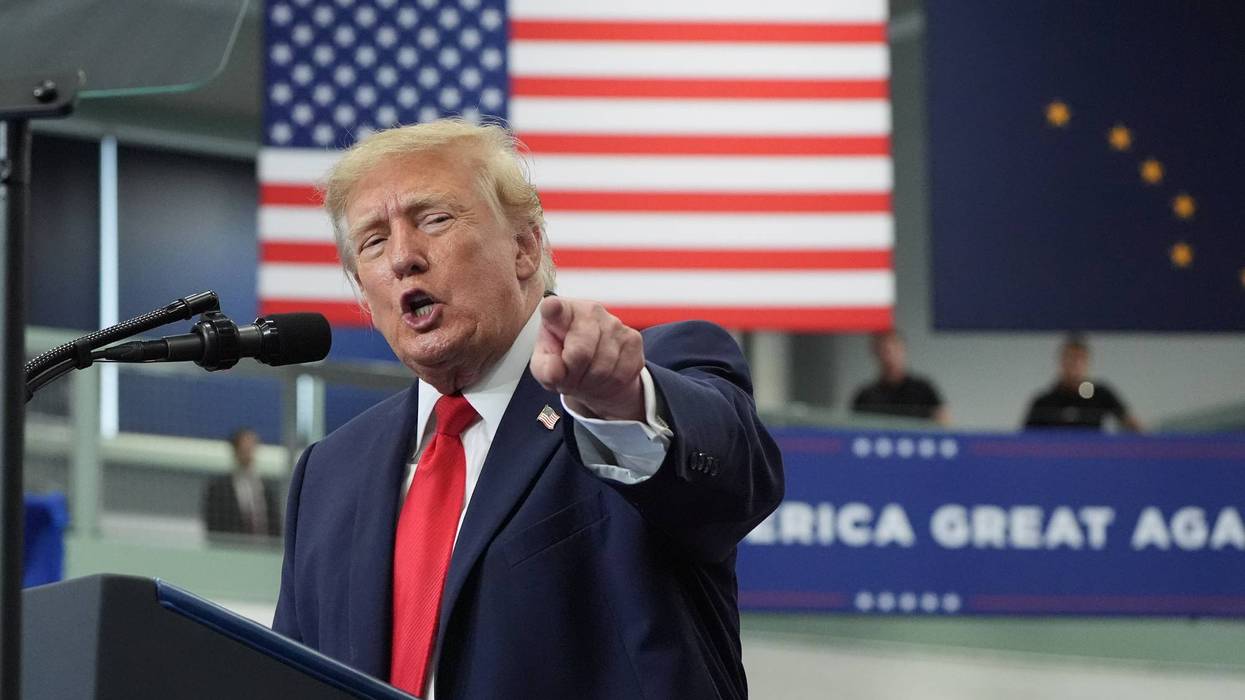
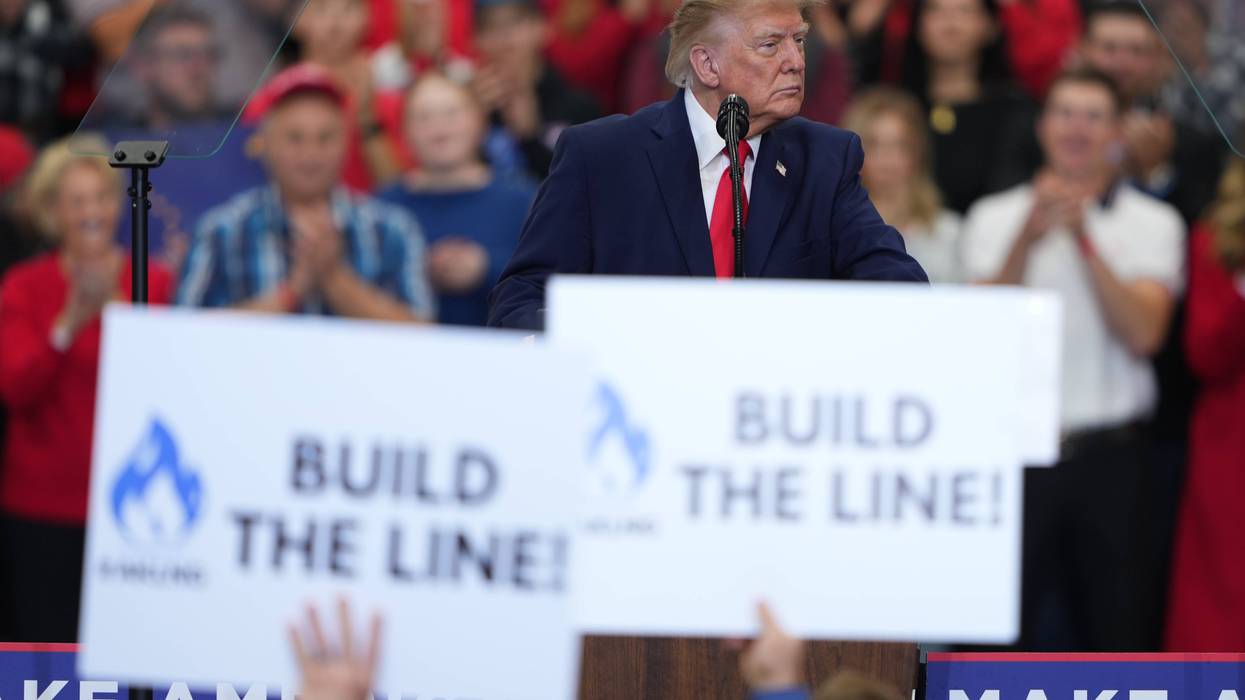
At a political rally in Alaska on Tuesday, Trump hailed Taiwan's planned purchase from the proposed mega-gas project — an 807-mile (1,300-kilometer) pipeline connecting Alaska’s North Slope to a liquefied natural gas export terminal in the southern part of the state.
“Taiwan has just agreed to buy 30% of the gas coming off the pipeline for the next 20 years,” Trump said. “That guarantees success. It’s one of the biggest commitments in history for anything. It’s one of the biggest deals ever made.”
The statement from Taiwan did not specify how many years it has committed to in the plan.
Trump had similarly touted a $54 billion investment from South Korea in the Alaska pipeline. But South Korean officials were more cautious, saying they needed to assess the project’s commercial viability before committing to the investment.
Maintaining a good relationship with the U.S. is important to Taiwan, which faces growing military and diplomatic pressure from Beijing.
China has been pressing Trump to halt arms sales to Taiwan. After his summit in May with Chinese leader Xi Jinping in Beijing, a record-breaking $14 billion arms sales package to Taiwan was stalled. Trump described arms sales to Taiwan as a “very good negotiating chip” with China.
In September, Xi told Trump that he hoped the U.S. would adhere to “the correct position of opposing ‘Taiwan independence’” during his visit to Washington.
Washington approved another $11 billion package for Taiwan in December.
In Beijing, Chinese Foreign Ministry spokesperson Mao Ning told reporters that the external exchanges of “China’s Taiwan region” must be handled in accordance with the “one-China” principle.
“The DPP authorities’ attempts to pursue Taiwan independence under the guise of economic and trade cooperation will not succeed,” she said, referring to Taiwan’s ruling Democratic Progressive Party.
China and Taiwan have been governed separately since 1949, when a civil war brought the Communist Party to power in Beijing. Defeated Nationalist Party forces fled to Taiwan. The island has operated with its own government since then.