


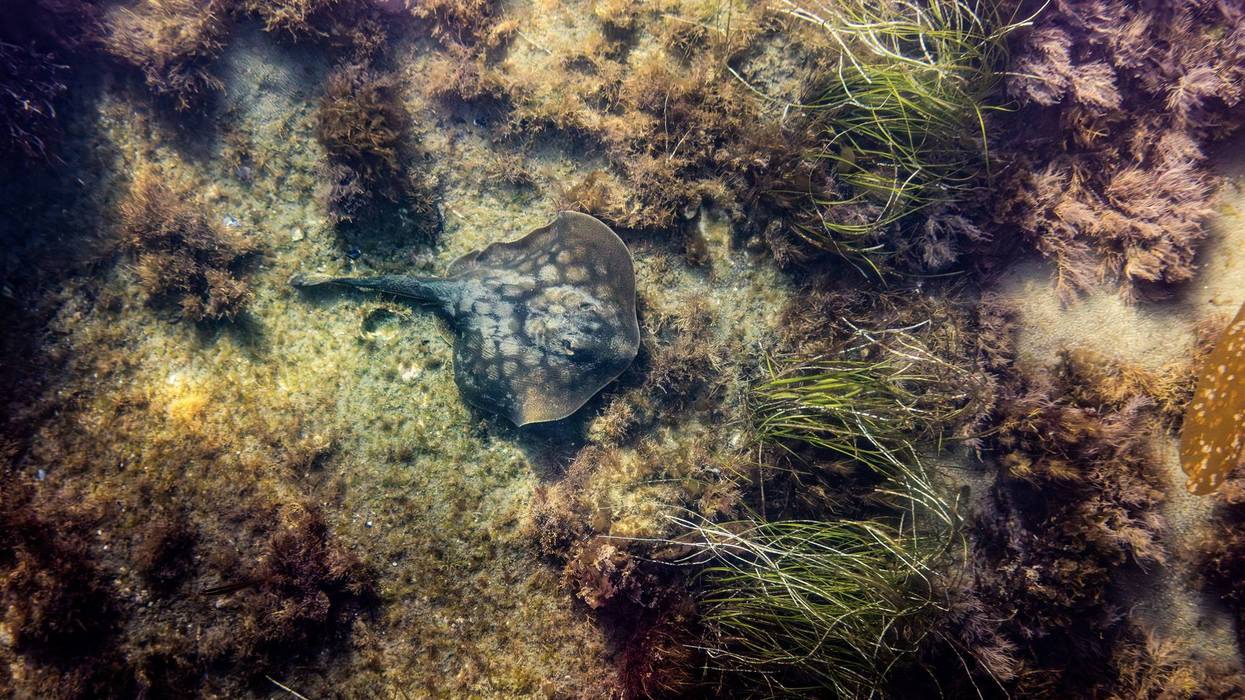

As of Thursday, Huntington Beach’s Safe Beach Day site showed low stingray activity along the shoreline. That hasn’t necessarily been the case all season – thousands of stingray injuries have been reported nearby this year.
According to an Associated Press report, more than 3,100 incidents have been reported at Huntington State Beach and Bolsa Chica State Beach this year. Already, that’s twice the number reported through all of last year.
“The city of Huntington Beach’s 3.5-mile (5.6-kilometer) stretch of shoreline has reported more than 2,000 such incidents so far this year, more than during all last year, while more than 900 stings were recorded on San Diego’s beaches during the first half of 2026, more than during the first six months of any of the past five years, lifeguard data shows,” said the report.
What’s going on? Have we somehow offended the California coast stingrays?
Per the Associated Press, the reason for the uptick in injuries can be traced to a marine heat wave. California State Parks explained that stingrays use camouflage to protect themselves but can also sting with barbed 1-inch to 1.5-inch spines encased in venom and mucous if stepped on or disturbed.
Warm water doesn’t make stingrays want to pull out their spines, but “round stingrays are found in Pacific Ocean waters from Panama to Southern California and are known to veer toward the shore when the swell is down and the water warm,” the AP said.
With more stingrays near the shore, there are more opportunities for interaction with humans. Audacy has previously reported on how the current El Nino conditions can impact Pacific Coast marine life.
Stingray injuries can be fatal. Beloved animal expert and TV star Steve Irwin tragically died from a stingray attack off the coast of Australia in 2006.
California State Parks recommend soaking the affected area in hot, fresh water (between 104- and 113-degrees Fahrenheit) for 30 to 90 minutes if a stingray injury occurs. These injuries can cause puncture wounds, injection of venom, tissue damage, pain, swelling and, in some cases, secondary infection. Hot water can help break down the venom, bring pain relief, help promote blood flow and reduce the spread of venom further into the body.
Those with stingray injuries should also contact a medical professional. People with neuropathy, diabetes, paralysis should take extra care to prevent burns and allergic reactions are possible.
“Avoid applying alcohol, urine, or ammonia solution to any wound caused by marine life stings or bites. Such substances may trigger additional venom discharge, potentially worsening the condition,” said California State Parks. “Removing spines/stingers should be done carefully and with appropriate personal protective equipment to prevent secondary injuries. It is crucial to seek proper medical guidance in the event of a marine life-related injury to ensure appropriate treatment and minimize complications.”
To avoid stings, lifeguards recommend people shuffle in the sand as they get in the water, since that can gently alert stingrays of a presence without triggering a barb, the AP said. There are also special booties beachgoers can buy to stay protected.