


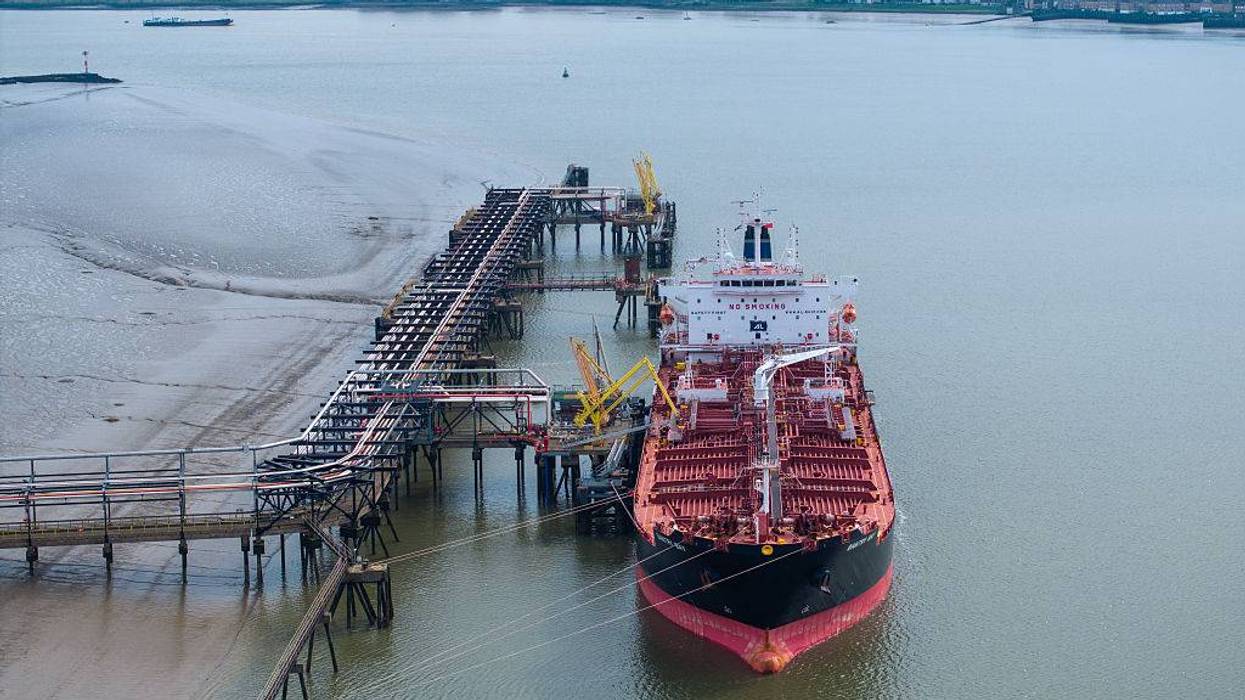

Listeners of Richmond’s Morning News with Rich Herrera got a unique, firsthand look at the world of international shipping and maritime law when Rich welcomed a very special guest—his son, Rigney. A midshipman who has already logged extensive time at sea, Rigney brought real-world experience to a complex topic, breaking down how global trade moves and why maritime rules matter to everyday Americans.
Rigney shared stories from his time sailing across the Pacific, traveling through the Panama Canal, and visiting ports across four continents. His journey has taken him to countries including Japan, South Korea, and regions along the African coastline, offering a front-row seat to the vast network that powers the global supply chain. From massive cargo ships to strategic waterways, he described a system that operates around the clock to keep goods moving worldwide.
During the conversation, Rigney explained the fundamentals of international maritime law in clear, relatable terms. He highlighted how countries establish Exclusive Economic Zones (EEZs), which extend roughly 200 miles off their coastlines, giving them rights to resources like fishing and energy. Beyond those zones, however, much of the ocean remains international waters—open for global use under long-standing maritime agreements.
A key focus of the discussion was the role of the U.S. Navy in maintaining freedom of navigation. Rigney emphasized how naval operations ensure that critical shipping lanes remain open, particularly in high-traffic and strategically sensitive areas. These efforts are essential not just for national security, but for the stability of global commerce, as disruptions in these routes can quickly ripple through economies around the world.
For Rich, the segment was both informative and personal—offering listeners expert insight while highlighting the next generation of leadership serving at sea. Rigney’s experience underscores how interconnected the world truly is, and how the rules governing the oceans play a vital role in everything from the products on store shelves to the balance of global power.
Richmond's Morning News with Rich Herrera
Richmond's Morning News with Rich Herrera


