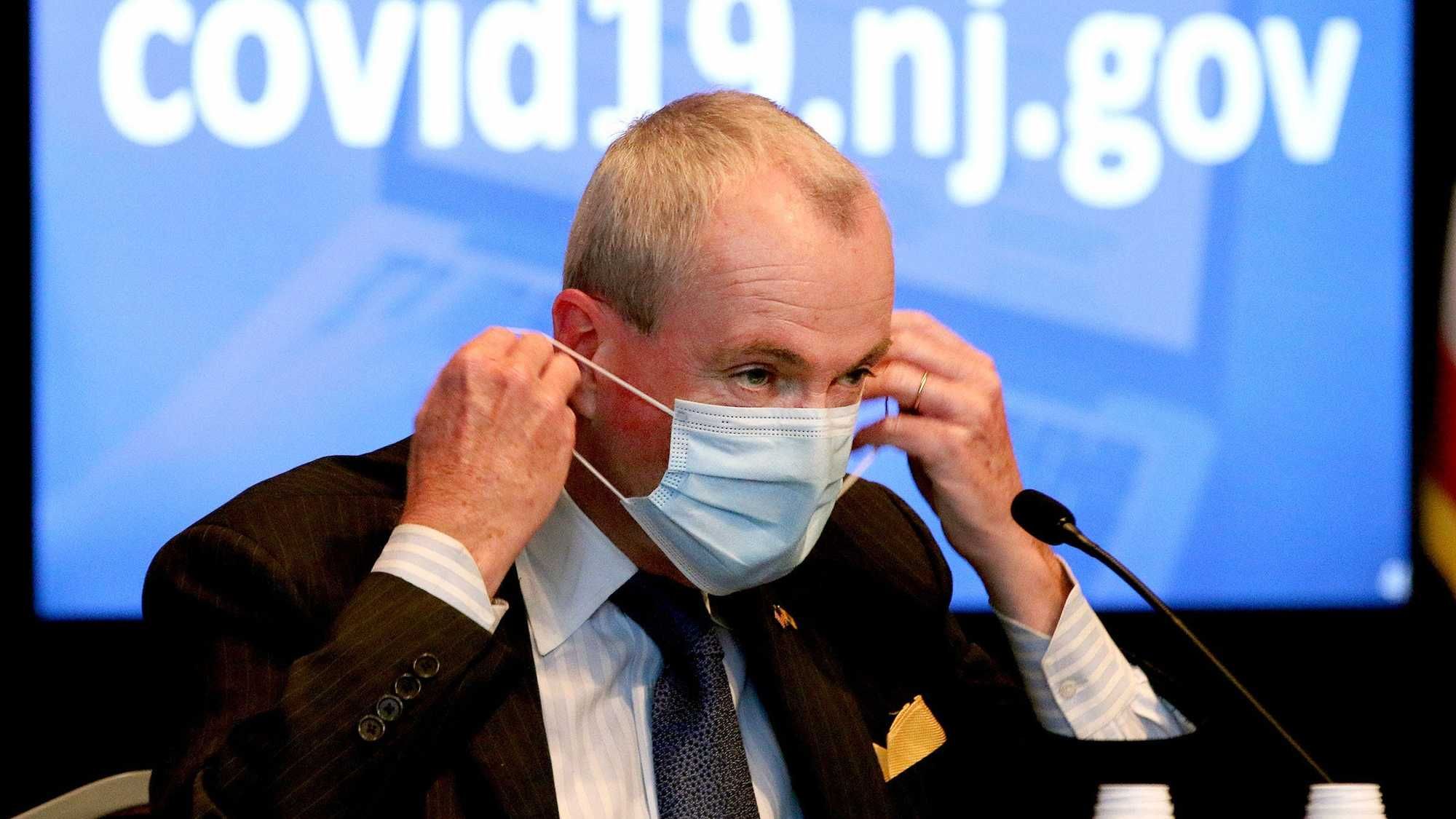





NEW YORK (WCBS 880) – Mask requirements are easing in other parts of the country following new CDC guidance, but New York and New Jersey are being cautious—and an infectious disease expert says that's a good idea.
While the CDC changed its mask guidance for vaccinated people this week, the governors of New York and New Jersey have not changed the mask mandates in their states.
Gov. Andrew Cuomo said health officials in the state are "reviewing" the new mask guidance, while Gov. Phil Murphy said his state's indoor mask requirement will stay for the time being.
Mayor Bill de Blasio said New York City was also reviewing the guidance but that "masks will still be important for schools, public transportation, healthcare and congregate settings and more."
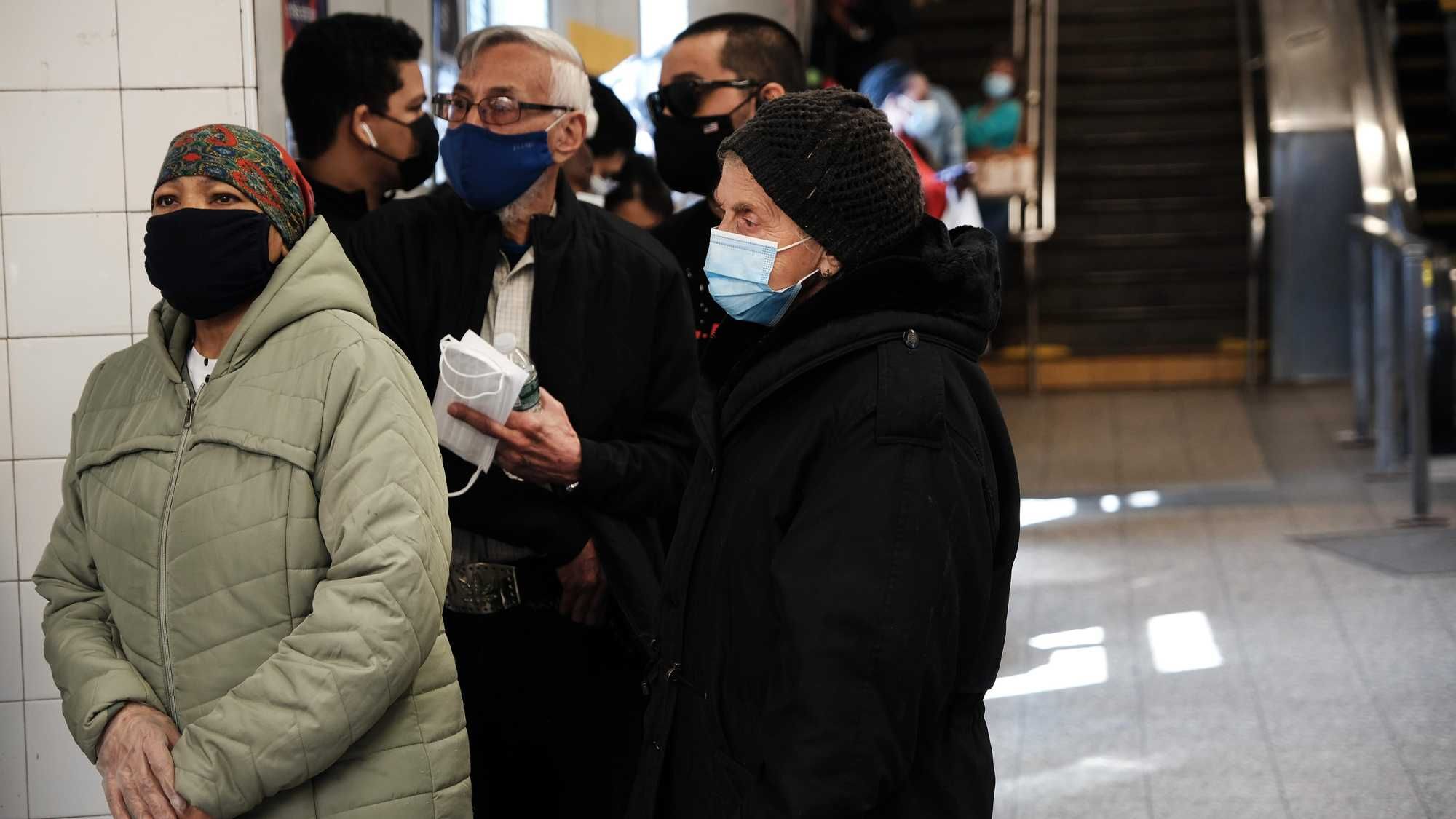
It comes after the CDC announced Thursday that vaccinated Americans can ditch masks outdoors and in many indoor situations.
Dr. David Hirschwerk, an infectious disease specialist at Northwell Health, said easing mask requirements for fully vaccinated people should not be a one-size-fits-all approach, but one determined on a local level.
"The idea behind the CDC recommendation to remove the use of masks makes sense for situations where you can have a high enough uptake of the vaccine in the area, as well as when the rates of illness become significantly low in the area," Hirschwerk said.
He said people also shouldn't lose sight of the importance of masks even as mask requirements are eased.
"The use of masks significantly reduces the risk of shedding a virus," Hirschwerk said. "The use of vaccines reduces the risk of people transmitting the virus to others."

Hirschwerk said the U.S. can only go so far in conquering COVID if other parts of the world still have other coronavirus variants spreading around.
"Many parts of the world are really struggling significantly with high rates of illness, low rates of vaccine uptake so far. There is the risk that the variants circulating in other parts of the world could reach us here in the United States," he said.
Hirschwerk said people who are immunocompromised should still get the vaccine even if they have a diminished response to it because it could make the difference between being hospitalized with COVID or not.
And Hirschwerk said getting teens vaccinated is another important step in reducing the spread of the virus.
"That can push the percent of our population vaccinated higher, and the higher the percentage of our overall population vaccinated, the better it is for everybody, because that can lead to a decreased risk of transmission," he said.