


Mounting safety concerns and federal scrutiny continue to shadow the autonomous vehicle operators on Austin roadways as Tesla Inc. and Waymo reported a fresh wave of collisions in their local operations this month.
The latest filings with the National Highway Traffic Safety Administration (NHTSA) reveal that both companies are struggling to maintain clean safety records as they race to scale their respective robotaxi services.
Tesla, which maintains a modest fleet of fewer than 40 vehicles—most of which utilize human safety monitors—disclosed a single recent collision with a fixed object. The incident, which occurred at 9 mph during a lane departure in a construction zone, brings the company’s total to 15 incidents since its June launch.
Tesla officials have remained silent on the specifics, redacting narrative details from public filings.
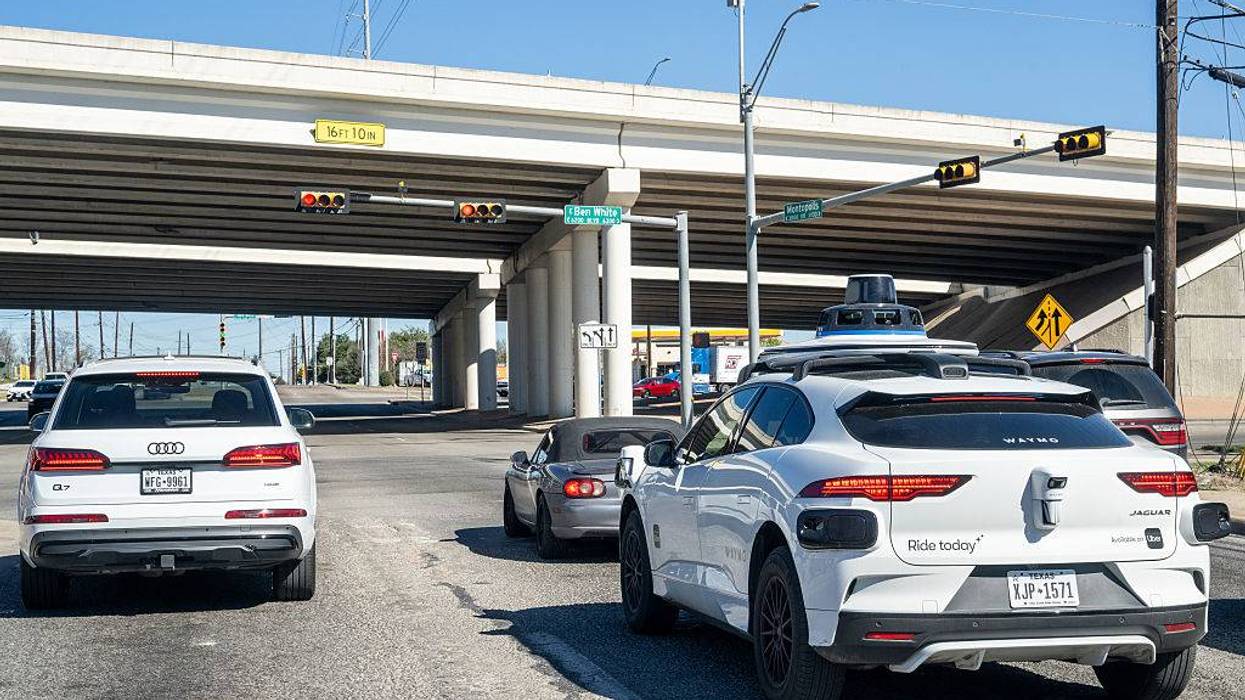
By contrast, Waymo, the Alphabet-owned industry leader, reported four new accidents involving its fully driverless fleet of 200 vehicles. This brings their total to 60 incidents since June. Three of the recent collisions involved pickup trucks, including one instance where passengers were present, prompting an investigation by the Austin Police Department.
The reports come at a delicate time for Waymo. The company’s Austin operations have faced intense public criticism following an incident earlier this month where a robotaxi obstructed an Austin-Travis County EMS ambulance responding to a deadly mass shooting on West Sixth Street.
Furthermore, the National Transportation Safety Board (NTSB) recently confirmed that a Waymo vehicle illegally passed a stopped school bus while students were boarding—an action reportedly directed by a human remote assistance agent.
The uptick in crashes arrives just weeks before Tesla is expected to begin production on its "Cybercab," a two-seat, gold-painted vehicle purpose-built for autonomous transport. Despite the move toward more specialized hardware, Tesla’s software remains under a microscope.
Federal regulators are currently probing dozens of reports involving Tesla vehicles running red lights and traveling on the wrong side of the road while operating in "Full Self-Driving" mode.
The challenges extend beyond the Austin city limits. Waymo recently reported incidents in Dallas, Houston, and Del Valle, including a January highway collision with a raccoon that resulted in vehicle damage.
In February, executives from both firms were summoned before Congress to defend their safety protocols and business expansion plans. As both companies vow to phase out human intervention, the data suggests that the path to a fully autonomous future remains fraught with mechanical and operational hurdles.