


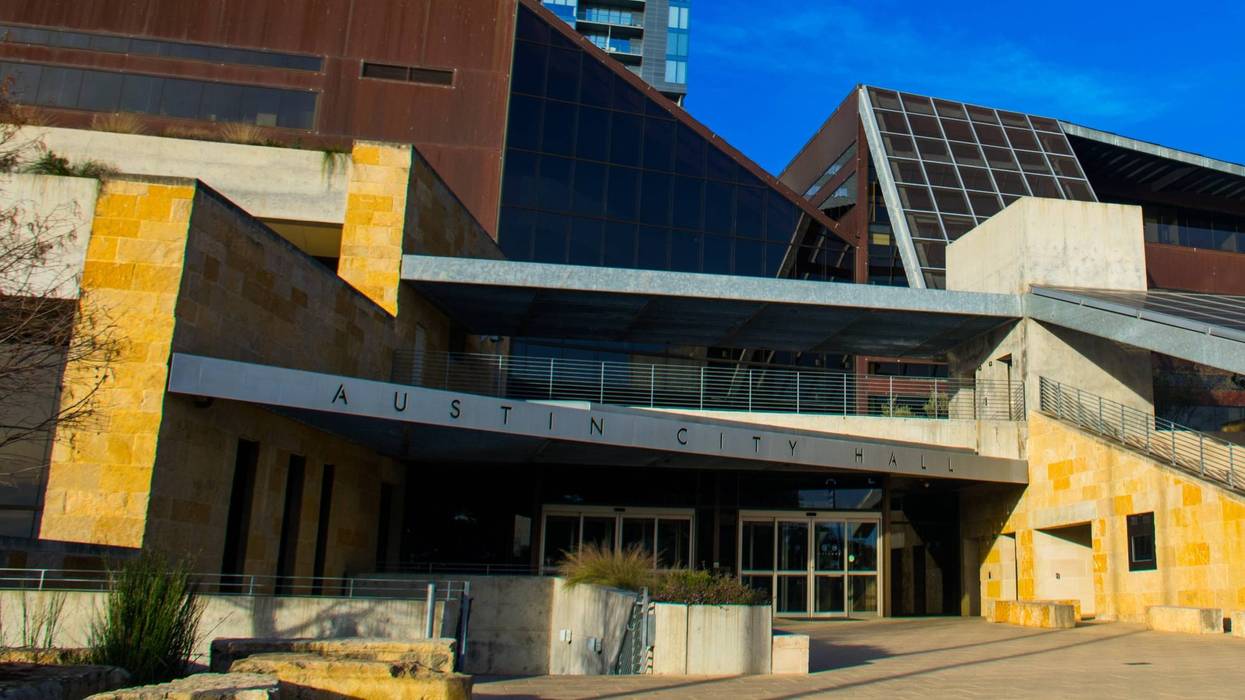

AUSTIN (Talk1370.com) -- In a move to dismantle decades-old zoning barriers, the Austin City Council approved a resolution Thursday that clears the path for a massive expansion of "missing middle" housing across the city.
The measure directs city staff to overhaul Austin’s Land Development Code, aiming to reintroduce housing types that have become nearly extinct in the modern era: townhomes, duplexes, triplexes, fourplexes, and cottage-style developments.
"Missing middle" describes the scale of housing that sits between the traditional single-family home and the large-scale apartment complex. While these structures were common in Austin’s historic neighborhoods, they have struggled to find a place under current regulations.
A recent city study underscored the impact of the existing code, finding that less than 1% of Austin’s housing stock built since 1984 qualifies as "missing middle." City planners argue that the current code, which largely dates back to the 1980s, has stifled housing diversity and contributed to the city's affordability crisis by limiting developers to two extremes: high-density blocks or low-density suburban lots.
By broadening the range of allowable housing, city leaders hope to provide more "attainable" price points for residents who are priced out of houses but do not want to live in high-rise apartments. According to city documents, the proposed changes are expected to:
- Increase housing supply across a wider range of income levels.
- Improve walkability and access to local services.
- Maximize existing infrastructure to reduce urban sprawl.
- Shorten commutes by allowing more people to live closer to job centers.
The resolution passed on Thursday does not immediately change zoning laws. Instead, it serves as a formal "starting gun" for city staff to develop new zoning categories. These new rules will likely reduce regulatory hurdles, encourage mixed-use developments that blend housing with retail, and allow for smaller multi-unit projects on standard residential lots.
City staff are expected to conduct a series of analyses and host public input sessions before presenting a final set of code amendments to the Council. The deadline for this proposal is currently set for March 2027.
Despite the Council's support, the initiative is expected to face scrutiny. As the city moves toward a more dense urban model, leaders will have to navigate the friction between the urgent need for housing supply and concerns from neighborhood advocates regarding property values, character, and increased density.