


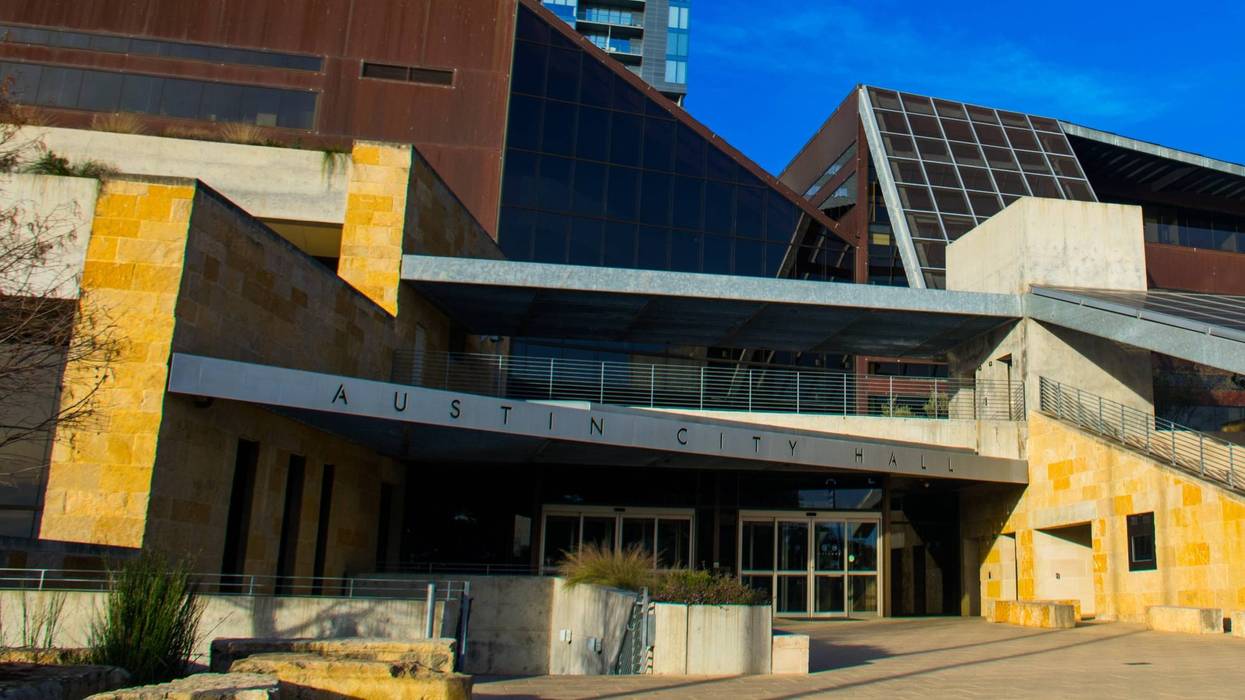

AUSTIN (Talk1370.com) -- In a divided 7-3 vote Thursday, members of the Austin City Council approved a critical financing agreement, paving the way for the massive 2,600-acre Dog's Head development in Southeast Austin.
The creation of a Tax Increment Reinvestment Zone (TIRZ) caps months of intense debate and clears a major hurdle for one of the city's most contentious real estate projects in recent years. Under the TIRZ agreement, a portion of new property and sales tax revenue generated within the zone will be used over the next several decades to reimburse the developer, Endeavor Real Estate Group, for building public infrastructure such as roads, utility lines, and flood control projects.
Earlier this week, city officials revealed that Amazon’s robotics division is the prospective anchor tenant for the site, planning an advanced facility that could open by late 2027.
If fully built out over the next 40 years, the mixed-use development bounded by the Colorado River, U.S. Highway 183, and State Highway 130 near Austin-Bergstrom International Airport could include up to 12,000 homes and millions of square feet of industrial and commercial space.
City leaders and supporters championed the project as a once-in-a-generation economic catalyst. Proponents argue the development will bring much-needed housing, jobs, and basic city services to an area that has historically lacked them.
City staffers estimate the completed project could generate up to $3.5 billion in property tax revenue over the next 30 years, bolstering a city budget strained by state property tax caps and the end of pandemic-era federal funding.
However, the proposal faced fierce pushback during roughly six hours of public testimony. Critics and environmental advocates have characterized the TIRZ as a billion-dollar corporate giveaway. Opponents argue the 45-year development agreement allows for near-unlimited development entitlements—including 100% impervious cover in some areas and reductions to the Colorado River's critical water quality zone, threatening local ecosystems and worsening flood risks.